
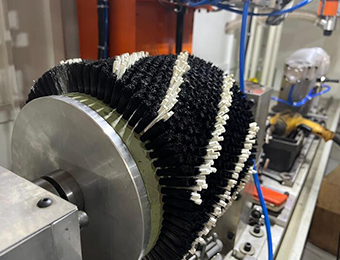

The quality of raw materials plays an important role in determining the durability, performance, and appearance of finished broom products. Manufacturers must carefully select suitable materials to ensure efficient production and create brushes that meet customer expectations. Understanding the different materials used in broom manufacturing helps businesses improve product quality and optimize their production processes.
A reliable Broom Brush Machine is designed to process different types of materials efficiently, depending on the product requirements. Choosing the right combination of fibers, handles, and supporting components allows manufacturers to achieve better results while maintaining consistent production standards.
Natural Fibers
Natural fibers are widely used in traditional broom manufacturing because of their durability, flexibility, and effective cleaning ability. These materials provide a natural appearance and are often preferred for household and environmentally friendly cleaning products.
Common natural materials include:
- Grass fibers
- Coconut fibers
- Palm fibers
- Other plant-based materials
Proper drying and storage are important to maintain fiber strength and prevent moisture-related damage.
Plastic Fibers
Synthetic plastic fibers are commonly used for modern broom brushes because they offer durability, water resistance, and consistent performance. These fibers are available in different thicknesses, colors, and stiffness levels to suit various cleaning applications.
Advantages of plastic fibers include:
- Long service life
- Resistance to moisture
- Easy cleaning
- Consistent shape and strength
- Suitable for mass production
Plastic materials are widely used in commercial and household cleaning products.
Wooden Handles
Wooden handles remain a popular choice due to their strength, affordability, and comfortable grip. High-quality wood provides durability and supports repeated use without easily breaking.
Manufacturers typically select wood that is:
- Strong and lightweight
- Smoothly finished
- Resistant to cracking
- Easy to assemble
Proper surface treatment improves handle appearance and extends product lifespan.
Plastic Handles
Plastic handles are increasingly used in modern broom designs because they are lightweight, economical, and resistant to moisture. They can also be produced in different colors and shapes to match product designs.
These handles are suitable for manufacturers looking to create affordable and easy-to-use cleaning products.
Metal Components
Some broom designs include metal parts for additional strength and stability. Metal connectors, brackets, or support pieces help improve the durability of the overall product.
High-quality metal components should be corrosion-resistant and strong enough to withstand regular use.
Binding Materials
Binding materials are essential for securing broom fibers firmly to the base or handle. Strong binding ensures that fibers remain attached during cleaning activities and improves product durability.
Common binding materials include:
- Binding wire
- Thread
- Fastening strips
- Adhesive materials
The correct choice depends on the broom design and production method.
Adhesive Materials
Adhesives are sometimes used to strengthen connections between different broom components. Quality adhesives improve structural stability and help prevent parts from becoming loose during use.
Manufacturers should select adhesives that are compatible with the materials being joined.
Packaging Materials
Packaging protects finished products during storage and transportation. Proper packaging also improves product presentation and helps prevent damage before reaching customers.
Common packaging materials include:
- Plastic wrapping
- Cardboard boxes
- Labels
- Protective covers
- Shipping materials
Good packaging practices help maintain product quality throughout the supply chain.
Choosing the Right Materials for Production
Selecting suitable raw materials requires consideration of product type, customer requirements, production capacity, and cost factors. Using consistent-quality materials improves machine performance and helps reduce production problems.
Manufacturers should regularly inspect incoming materials to ensure they meet required standards before beginning production.
Conclusion
Raw materials are a key factor in successful broom manufacturing. Natural fibers, plastic bristles, wooden or plastic handles, binding materials, and packaging components all contribute to the final product’s quality and performance. By selecting the right materials and using efficient equipment, manufacturers can improve production consistency, reduce waste, and create durable broom products that meet market demands.

