
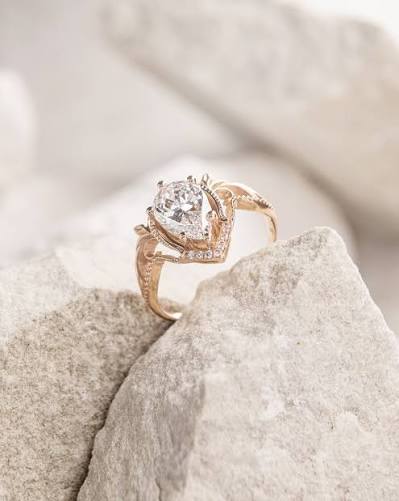

Choosing the right diamond carat size is an important part of purchasing an engagement ring or other fine jewelry. The carat weight influences the diamond’s overall size, appearance, and price, but it does not determine its beauty on its own. A smaller diamond with excellent proportions can appear more brilliant than a larger stone with a less effective cut.
When selecting a Lab Diamond Ring, buyers have the opportunity to explore different carat weights while considering their budget, preferred style, and everyday wearing needs. Lab-grown diamonds offer the same fundamental physical properties as natural diamonds, so choosing the right size involves many of the same considerations.
This guide explains how carat weight works, what different sizes look like, and how to select a diamond that suits your preferences.
1. Understand What Diamond Carat Weight Means
Carat is the standard unit used to measure the weight of a diamond. One carat equals 200 milligrams, or 0.2 grams.
A diamond’s carat weight is not the same as its physical dimensions. Two diamonds with identical carat weights may look different in size because their shapes, proportions, and cutting styles vary.
For example, a round diamond and an oval diamond with the same weight may have different face-up appearances. The oval stone can sometimes look larger because of its elongated shape.
It is important to evaluate both carat weight and measurements when comparing diamonds.
2. Learn About Common Lab Diamond Carat Sizes
Lab-grown diamonds are available in a wide range of carat weights. The right choice depends on the desired appearance, budget, and ring design.
Here are some commonly considered sizes:
| Carat Weight | General Appearance | Suitable For |
|---|---|---|
| 0.25 carat | Small and subtle | Minimalist jewelry and delicate designs |
| 0.50 carat | Noticeable but understated | Everyday rings and simple settings |
| 0.75 carat | Balanced and moderately prominent | Buyers seeking a middle ground |
| 1.00 carat | Classic and noticeable | Engagement and everyday rings |
| 1.50 carat | More prominent appearance | Buyers who prefer a larger center stone |
| 2.00 carats | Bold and eye-catching | Statement engagement rings |
| 3.00 carats or more | Large and highly noticeable | Distinctive and luxury-inspired designs |
These descriptions are general. The actual visual size depends on the diamond’s shape, cut proportions, and dimensions.
3. Consider Your Budget Before Selecting a Carat Size
Budget is one of the most practical factors when choosing a diamond.
Lab-grown diamonds are generally less expensive than comparable natural diamonds, which may allow buyers to consider larger carat weights without exceeding their planned spending limit.
However, the price of a lab-grown diamond does not increase in a perfectly uniform way with carat weight. Larger stones may have different pricing structures, and their cost also depends on cut, color, clarity, shape, and market conditions.
How to Plan Your Budget
Start by deciding how much you want to spend on the complete ring rather than allocating the entire budget to the center diamond.
Remember to include:
- Center diamond cost.
- Gold or platinum setting.
- Accent diamonds, if included.
- Custom design or manufacturing charges.
- Resizing and other potential services.
- Taxes and delivery expenses, where applicable.
A balanced purchase should consider the quality of the entire ring. Choosing a larger diamond while compromising heavily on the setting or craftsmanship may not provide the best overall result.
4. Understand How Diamond Shape Influences Visual Size
The shape of a diamond can significantly affect how large it appears when viewed from above.
Some shapes distribute their weight across a larger visible surface, while others have deeper proportions that place more of the weight below the diamond’s widest point.
Round Brilliant
<AsyncImage query=”round brilliant cut lab grown diamond solitaire ring close up white gold” aspectRatio=”5:4″ width=”100%”/>
Round brilliant diamonds are popular because of their traditional appearance and strong light performance. Their balanced shape makes them a versatile choice for different ring settings.
Oval
<AsyncImage query=”oval cut lab grown diamond engagement ring solitaire” aspectRatio=”5:4″ width=”100%”/>
Oval diamonds have an elongated outline that can create a larger-looking appearance for their carat weight. Their shape can also produce an elegant visual effect on the finger.
Pear
<AsyncImage query=”pear shaped lab grown diamond engagement ring” aspectRatio=”5:4″ width=”100%”/>
Pear-shaped diamonds combine a rounded end with a pointed tip. Their elongated profile can make the center stone appear prominent.
Emerald
<AsyncImage query=”emerald cut lab grown diamond engagement ring platinum” aspectRatio=”5:4″ width=”100%”/>
Emerald-cut diamonds have a rectangular shape and step-cut facets. They emphasize clarity and clean lines rather than the intense sparkle associated with brilliant cuts.
Cushion
<AsyncImage query=”cushion cut lab grown diamond engagement ring close up” aspectRatio=”5:4″ width=”100%”/>
Cushion diamonds combine rounded corners with a square or rectangular outline. They are suitable for buyers who prefer a softer, classic appearance.
When comparing shapes, review the actual measurements rather than relying only on carat weight.
5. Evaluate the Diamond’s Cut Quality
Cut quality is one of the most important factors influencing a diamond’s appearance.
It affects how light enters the stone, reflects internally, and returns to the viewer. A well-cut diamond can display attractive brightness, fire, and scintillation.
A larger diamond with poor proportions may look less lively than a smaller, well-cut stone.
For round brilliant diamonds, grading reports may provide an overall cut grade. Fancy shapes, such as oval, pear, and emerald, are evaluated differently, so buyers should examine their proportions and appearance carefully.
When selecting a carat size, avoid focusing on weight alone. A balanced combination of dimensions and cut quality generally produces a more attractive result.
6. Think About Finger Size and Proportion
The same diamond can look different depending on the wearer’s finger size and ring proportions.
A one-carat diamond may appear relatively prominent on a smaller finger, while it may look more understated on a wider finger.
The band design also affects visual balance. A delicate band can make the center stone appear larger, while a wider band may create a more substantial overall appearance.
Consider the following:
- Smaller fingers: Moderate carat weights may create a noticeable appearance without overwhelming the hand.
- Wider fingers: Larger stones or elongated shapes may provide a balanced look.
- Short fingers: Oval and pear shapes can create a lengthening visual effect.
- Long fingers: Round, cushion, and emerald shapes can all work well depending on personal preference.
These are styling suggestions, not fixed rules. Comfort and individual taste should remain the deciding factors.
7. Choose a Carat Size That Matches Your Lifestyle
A diamond ring should suit the activities and routines of the person wearing it.
Someone who wears a ring every day may prefer a size and setting that feel comfortable and practical. A larger center stone can be beautiful, but it may require more attention during physical activities.
Consider Your Daily Activities
Office Work: Many carat sizes can work well in professional environments. A secure setting and comfortable band are especially important.
Manual Activities: People who frequently use their hands may prefer a lower-profile setting that reduces the chance of catching or striking the diamond.
Social Occasions: Buyers who enjoy statement jewelry may prefer a larger center stone that creates a more noticeable appearance.
Frequent Travel: A practical design with a secure setting may be easier to manage when traveling regularly.
The goal is to select a ring that complements your lifestyle rather than choosing a carat weight based only on appearance.
8. Compare Carat Size With Color and Clarity
The diamond’s color and clarity grades also influence its overall appearance.
A larger diamond may make certain inclusions or color characteristics easier to notice, depending on the stone’s shape, cut, and viewing conditions.
Color
Color grading describes the degree of color visible in a diamond under standardized grading conditions. Higher color grades generally indicate less noticeable body color.
The ideal choice depends on the buyer’s preferences and the metal used for the setting. Yellow gold, for example, can complement a wider range of diamond color preferences than some very bright white-metal designs.
Clarity
Clarity describes internal inclusions and external blemishes. Some diamonds have characteristics that are difficult to see without magnification, while others may have more noticeable imperfections.
Buyers should consider whether a diamond is eye-clean rather than automatically paying for the highest available clarity grade.
A balanced combination of carat weight, cut, color, and clarity can provide better overall value than maximizing only one specification.
9. Decide Between a Solitaire and a Multi-Stone Setting
The ring setting can influence how large the center diamond appears.
Solitaire Setting
<AsyncImage query=”one carat lab diamond solitaire engagement ring simple gold band” aspectRatio=”5:4″ width=”100%”/>
A solitaire setting features one central diamond. Its simple design directs attention toward the main stone and works with a wide range of carat sizes.
Halo Setting
<AsyncImage query=”lab grown diamond halo engagement ring round center stone” aspectRatio=”5:4″ width=”100%”/>
A halo setting surrounds the center diamond with smaller stones. This creates a larger overall visual outline without requiring an equally large center stone.
Three-Stone Setting
<AsyncImage query=”lab grown diamond three stone engagement ring white gold” aspectRatio=”5:4″ width=”100%”/>
A three-stone design includes a center diamond with two additional stones. It creates a balanced composition and adds visual detail.
Pavé Setting
<AsyncImage query=”lab grown diamond pavé engagement ring delicate band” aspectRatio=”5:4″ width=”100%”/>
A pavé band features small diamonds along the ring’s surface. These accent stones add sparkle and can make the overall design appear more elaborate.
The right setting depends on whether you want the center stone to stand alone or form part of a more detailed design.
10. Do Not Overlook Diamond Measurements
Carat weight alone cannot tell you exactly how large a diamond will appear.
Diamond measurements, usually provided in millimeters, describe its length, width, and depth.
For example, two round diamonds with the same carat weight may have slightly different face-up diameters because of variations in cutting proportions.
When reviewing diamond options, compare:
- Length.
- Width.
- Depth.
- Table percentage.
- Overall proportions.
- Shape-specific dimensions.
These measurements help you understand how the diamond will look once it is mounted in a ring.
If possible, compare actual stones or realistic images showing their dimensions at a consistent scale.
11. Avoid Choosing Carat Weight Based on Trends Alone
Diamond preferences can change as jewelry trends evolve. Some periods favor delicate stones and minimalist settings, while others feature larger center diamonds and elaborate designs.
Although trends can provide inspiration, they should not determine the entire purchase decision.
A ring is often worn for many years, so personal comfort and long-term style preferences are more important than temporary popularity.
Ask yourself whether you genuinely like the selected size and whether it suits your everyday wardrobe. A diamond that feels appropriate and attractive to the wearer is usually a better choice than one selected simply because it is fashionable.
12. Try Different Carat Sizes Before Buying
Visual comparison is one of the most effective ways to understand which carat weight suits you.
If you are shopping in person, try rings with different center-stone sizes. This allows you to compare how each diamond looks on your hand.
For online purchases, use tools such as:
- Actual-size diamond images.
- Virtual try-on features.
- Ring size guides.
- Diamond measurement diagrams.
- Videos showing the stone from multiple angles.
Check whether product images are displayed at their actual scale. Enlarged photographs can make a diamond appear significantly bigger than it will look in real life.
You can also ask the seller for photographs or videos of the exact diamond being considered.
13. A Practical Checklist Before Finalizing Your Choice
Before purchasing a ring, review the following points:
- Select a realistic total budget.
- Decide on a preferred carat-weight range.
- Compare the diamond’s actual measurements.
- Choose a shape that suits your style.
- Review cut quality and light performance.
- Compare color and clarity specifications.
- Check the grading report and diamond origin.
- Select a comfortable and secure setting.
- Confirm the correct ring size.
- Review the seller’s warranty and return policies.
This checklist helps ensure that the final selection is based on the complete quality and suitability of the ring rather than a single specification.
Conclusion
Choosing the right carat size for a lab-grown diamond ring requires balancing visual appearance, budget, diamond quality, and everyday practicality. Although larger diamonds attract attention, carat weight alone does not determine beauty. Shape, cut, measurements, setting style, and finger proportions all influence how a diamond looks when worn.
Take time to compare different sizes and review the complete diamond specifications before making a decision. A carefully selected stone in a well-crafted setting can create a beautiful and comfortable ring that reflects personal taste and remains enjoyable for years to come.

