
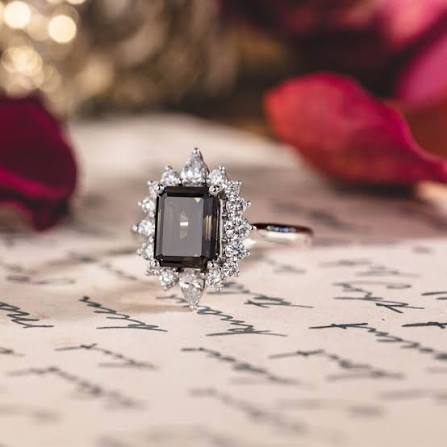

Designing a diamond ring is an opportunity to create something personal, meaningful, and visually distinctive. Rather than selecting a standard design from a jewelry collection, buyers can make individual choices about the diamond, metal, setting, and decorative details. This approach allows the finished ring to reflect personal taste while meeting practical requirements such as comfort, durability, and budget.
A Custom Lab Grown Diamond Ring offers flexibility throughout the design process, allowing buyers to select a laboratory-created diamond and combine it with their preferred jewelry style. From choosing the center stone to deciding on the smallest finishing details, every element can contribute to a ring that feels unique and appropriate for its intended purpose.
1. Start with a Clear Design Concept
Before choosing a diamond or setting, consider the overall appearance you want to achieve. Having a general design concept makes the remaining decisions easier and helps maintain consistency throughout the process.
Think about the type of jewelry you naturally prefer. Some people appreciate simple and understated designs, while others prefer intricate details, multiple diamonds, and distinctive metalwork.
Consider the following questions:
- Will the ring be used as an engagement ring, wedding ring, or personal accessory?
- Do you prefer traditional, modern, vintage, or minimalist jewelry?
- Would you like a single center diamond or multiple stones?
- Should the ring be suitable for everyday wear?
- Are there particular design details that hold personal meaning?
Collecting reference images can also help communicate your preferences to a jewelry designer.
2. Select the Right Lab Grown Diamond Shape
The diamond shape is one of the most noticeable elements of a ring. It influences the overall style, visual proportions, and brilliance of the finished jewelry.
Different shapes offer different aesthetic characteristics.
Round Brilliant
Round brilliant diamonds are among the most popular choices because their cutting pattern is designed to maximize light reflection. They work well with solitaire, halo, and pavé settings.
Oval
Oval diamonds have an elongated appearance that can make the center stone look larger relative to its carat weight. Their elegant shape suits both contemporary and traditional designs.
Princess Cut
Princess-cut diamonds feature a square or rectangular outline with sharp corners. They offer a modern geometric appearance and are commonly used in engagement rings.
Emerald Cut
Emerald-cut diamonds have a rectangular shape with step-cut facets. Instead of intense sparkle, they create a distinctive appearance characterized by broad flashes of light.
Pear Shape
Pear-shaped diamonds combine rounded and pointed ends. Their distinctive silhouette creates an elegant appearance and can be used in both traditional and contemporary settings.
Cushion Cut
Cushion-cut diamonds feature rounded corners and a square or rectangular outline. Their soft shape gives rings a classic appearance with a modern touch.
When selecting a shape, consider finger proportions, personal style, setting compatibility, and the overall design.
3. Understand the 4Cs Before Choosing the Diamond
The quality and appearance of a lab grown diamond are commonly evaluated through four characteristics: cut, color, clarity, and carat weight.
Understanding these factors helps buyers select a stone that balances appearance and cost.
Cut Quality
Cut has a major influence on how brilliantly a diamond reflects light. A well-cut stone generally appears brighter and more lively than a poorly proportioned diamond.
For round brilliant diamonds, cut grading is particularly important. For fancy shapes, buyers should also examine the stone’s proportions, symmetry, and visual performance.
Color Grade
Diamond color grading generally ranges from D to Z. D represents colorless diamonds, while lower grades may show increasingly noticeable warmth.
The choice of color can depend on the selected metal. For example, colorless diamonds pair naturally with white metals, while slightly warmer diamonds can complement yellow or rose gold.
Clarity Grade
Clarity measures internal inclusions and external blemishes. Higher clarity grades indicate fewer or less noticeable characteristics.
However, a diamond does not necessarily need the highest clarity grade to look attractive. Some stones with lower grades may appear clean to the naked eye, depending on the location and visibility of their inclusions.
Carat Weight
Carat measures diamond weight, not its physical size. A one-carat diamond weighs 200 milligrams.
When choosing carat weight, consider the dimensions of the stone and how it will look within the selected setting. A well-proportioned smaller diamond may create a more balanced appearance than a larger stone that overwhelms the design.
4. Choose a Setting That Complements the Diamond
The setting holds the diamond in place while influencing the ring’s overall style. Selecting the right setting is essential for both appearance and practical performance.
Some popular options include:
Solitaire Setting
A solitaire setting features one central diamond without additional accent stones. It is a timeless option that places attention on the center stone.
Halo Setting
A halo setting surrounds the main diamond with smaller stones. This creates additional sparkle and can increase the visual presence of the center diamond.
Three-Stone Setting
This design features a central diamond accompanied by two side stones. It creates a balanced appearance and is often associated with the symbolism of past, present, and future.
Pavé Setting
Pavé settings use small diamonds placed closely together along the band. This creates a continuous sparkling effect and adds detail without changing the central stone’s position.
Bezel Setting
A bezel setting surrounds the diamond with a thin metal border. It provides additional protection around the stone’s edges and creates a clean, contemporary appearance.
The best setting depends on the diamond shape, preferred style, daily activities, and desired level of protection.
5. Select the Best Metal for Your Ring
Metal selection affects the ring’s appearance, durability, maintenance, and overall design.
The most common options include:
- Platinum: A naturally white precious metal known for its strength and corrosion resistance. It is suitable for secure, long-lasting jewelry.
- White gold: Offers a bright, silvery appearance and is commonly coated with rhodium for a reflective finish.
- Yellow gold: Provides a warm, traditional appearance that pairs well with many diamond shapes.
- Rose gold: Combines gold with copper to create a distinctive pinkish tone.
The choice should complement the diamond and suit the wearer’s preferences. It is also important to consider metal allergies, maintenance needs, and the intended frequency of wear.
6. Determine the Ideal Ring Band Design
The band is an important part of the overall ring structure. Its width, thickness, shape, and finish influence how the ring looks and feels.
A narrow band can create a delicate appearance and make the center diamond more prominent. A wider band offers a stronger visual presence and may provide additional room for decorative elements.
Some popular band styles include:
- Plain polished bands for a simple and timeless appearance.
- Twisted bands for a distinctive, decorative effect.
- Split-shank bands that divide into two sections near the center stone.
- Pavé bands featuring small accent diamonds.
- Textured bands with brushed, hammered, or engraved finishes.
When designing the band, balance appearance with comfort. A ring that looks attractive should also fit naturally and feel comfortable during everyday activities.
7. Consider Personalization and Meaningful Details
Personalized details can transform a standard jewelry concept into something more meaningful. These elements do not need to be complicated to make a difference.
For example, couples designing an engagement ring may include an engraving of an important date, initials, or a short personal message.
Other customization possibilities include:
- Incorporating birthstones alongside the center diamond.
- Adding small accent diamonds to the shoulders.
- Choosing a hidden halo beneath the main stone.
- Including decorative details inspired by family jewelry.
- Selecting a distinctive gallery design beneath the center diamond.
The goal is to create a design that feels personal without adding unnecessary complexity.
8. Set a Realistic Budget
Budget planning is an important part of custom jewelry design. Lab grown diamonds generally cost less than comparable natural diamonds, giving buyers additional flexibility when selecting diamond specifications.
However, the final price depends on several factors, including:
- Diamond carat weight and grading characteristics.
- Diamond shape and cutting quality.
- Precious metal type and weight.
- Complexity of the setting.
- Number of additional stones.
- Custom manufacturing and finishing requirements.
It is helpful to decide which features matter most before allocating the budget. For example, someone who prioritizes brilliance may prefer a well-cut diamond over a larger stone with less impressive proportions.
Comparing different combinations can help identify a design that meets both aesthetic and financial expectations.
9. Make Sure the Ring Fits Comfortably
A beautiful design should also be practical to wear. Ring sizing is particularly important when creating jewelry that will be worn regularly.
The correct ring size depends on finger measurements, temperature, and individual preferences. Fingers may expand slightly in warm conditions and become smaller in colder environments.
Other comfort-related considerations include:
- Band width and thickness.
- Smooth inner edges.
- Setting height.
- Placement of side stones.
- Whether the ring fits comfortably alongside a wedding band.
A professional ring measurement is recommended before production begins. If the ring is intended as a surprise, an existing ring that fits the correct finger can help estimate the size.
10. Review the Design Before Manufacturing
Once the major design decisions have been made, the next step is to review the complete concept before production.
Many jewelry designers provide digital renderings or computer-aided design (CAD) models to show how the finished ring is expected to look.
Review the following details carefully:
- Diamond shape, dimensions, and placement.
- Metal type, color, and band proportions.
- Setting structure and stone security.
- Ring size and overall dimensions.
- Decorative details and engraving.
- Estimated production time and final cost.
A detailed review provides an opportunity to identify design issues before manufacturing begins. Any requested changes should be confirmed with the designer in advance.
11. Check Diamond Documentation and Quality
Before finalizing a purchase, review the diamond’s grading documentation and the manufacturer’s quality information.
A reliable grading report should clearly identify the diamond as laboratory-grown and provide relevant details about its characteristics.
Organizations such as GIA and IGI offer laboratory-grown diamond identification and grading services. Buyers should check the report number and verify the available information through the issuing organization’s official resources.
It is also important to examine the finished ring for:
- Securely positioned center and accent stones.
- Smooth and properly finished metal surfaces.
- Consistent symmetry and proportions.
- Comfortable edges and a suitable fit.
- Properly completed engraving and decorative details.
These checks help ensure that the final product meets the agreed design specifications.
12. Maintain Your Custom Lab Grown Diamond Ring
After receiving the finished ring, proper maintenance helps preserve its appearance and structural condition.
Lab grown diamonds have the same hardness as natural diamonds, but the metal setting can still experience scratches, wear, or damage.
For regular care, follow these recommendations:
- Clean the ring with warm water, mild soap, and a soft brush.
- Avoid exposing the jewelry to harsh cleaning chemicals.
- Remove the ring during heavy physical activities.
- Store it separately from other jewelry.
- Arrange periodic professional inspections to check for loose stones or damaged prongs.
These simple habits can help keep the ring looking attractive while reducing the risk of avoidable damage.
Common Mistakes to Avoid When Designing a Custom Ring
Although customization provides greater creative freedom, making too many decisions without considering practicality can lead to an unbalanced design.
Some common mistakes include:
Choosing carat weight without considering proportions: A larger diamond is not automatically the best option. Its dimensions and cut quality also influence appearance.
Ignoring everyday comfort: High settings and complicated band structures may be less practical for people who wear rings regularly.
Overcomplicating the design: Too many decorative elements can distract from the center diamond and make the ring appear visually crowded.
Focusing only on appearance: Stone security, metal durability, and maintenance requirements are equally important.
Skipping the design preview: Failing to review the final specifications can lead to unexpected differences between the original concept and finished ring.
Avoiding these mistakes makes the design process more organized and helps produce a ring that balances beauty, comfort, and durability.
Conclusion
Designing the perfect custom lab grown diamond ring involves more than selecting an attractive diamond. It requires thoughtful decisions about shape, cut quality, color, clarity, metal, setting, band design, and personal details.
By establishing a clear concept, setting a realistic budget, and reviewing every specification before manufacturing, buyers can create jewelry that reflects their individual preferences while meeting practical requirements. With the right balance of design and craftsmanship, a custom lab grown diamond ring can become a meaningful piece suitable for engagements, anniversaries, and other important occasions.

