
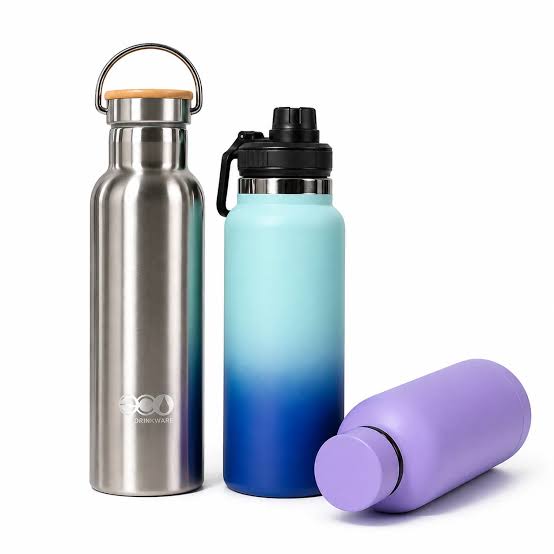

Drinkware products are part of everyday life, serving purposes in homes, offices, restaurants, outdoor activities, and commercial environments. From insulated tumblers and stainless steel water bottles to glass cups and reusable mugs, each product goes through several manufacturing stages before reaching consumers. Understanding these stages helps businesses make informed purchasing decisions and evaluate product quality more effectively.
The manufacturing process involves much more than shaping materials into cups or bottles. It requires careful product planning, material selection, design development, specialized equipment, and quality inspections. Working with an experienced Drinkware Manufacturer can help businesses understand these production requirements and develop products that meet their functional, aesthetic, and commercial expectations.
1. Initial Product Planning and Concept Development
Every drinkware product begins with an idea. During the planning stage, manufacturers and product designers identify the intended purpose, target customers, and essential product characteristics.
For example, a travel tumbler may require insulation, a secure lid, and a convenient grip, while a reusable water bottle may prioritize portability, durability, and easy cleaning.
Several factors are considered during concept development:
- Intended product application and target market
- Desired capacity, shape, and dimensions
- Material and durability requirements
- Functional features and usability
- Estimated production costs
- Customization and branding possibilities
A clearly defined product concept provides a foundation for the remaining manufacturing stages.
2. Product Design and Engineering
Once the concept is established, the design team develops detailed product specifications. This stage translates the initial idea into a practical design that can be manufactured consistently.
Designers use computer-aided design (CAD) software to create digital models and technical drawings. These models help determine dimensions, wall thickness, component placement, lid structure, and other important details.
Engineering considerations depend on the drinkware category. For insulated bottles, designers may need to account for double-wall construction and vacuum insulation. For glass drinkware, wall thickness and structural strength are particularly important.
The design must balance appearance, functionality, manufacturing feasibility, and production costs.
3. Selecting Suitable Raw Materials
Material selection plays a major role in the performance, safety, appearance, and lifespan of drinkware. Manufacturers choose materials according to product specifications and intended applications.
Common materials include:
Stainless Steel
Stainless steel is widely used for reusable bottles, tumblers, and travel mugs because of its durability and corrosion resistance. Suitable grades, such as food-contact-grade stainless steel, are selected according to product requirements.
Glass
Glass is commonly used for drinking cups, bottles, and other products where transparency and a clean appearance are desirable. Manufacturers must consider glass composition, thickness, and resistance to thermal stress.
Plastic
Certain plastics are used to produce lightweight and convenient drinkware. The selected material must be appropriate for its intended application and comply with relevant food-contact requirements.
Silicone
Silicone is often used for seals, protective sleeves, lids, and flexible components. Its flexibility makes it useful for improving product functionality and reducing leakage.
Before production begins, raw materials should undergo appropriate inspections to verify their specifications and consistency.
4. Prototype Development and Testing
After completing the design and selecting materials, manufacturers usually develop a prototype. This sample represents the proposed product and allows designers to evaluate whether the concept works in practice.
Prototype development helps identify issues that may not be obvious in digital designs, such as uncomfortable grips, poorly fitting lids, unsuitable dimensions, or manufacturing difficulties.
Testing may include:
- Checking product dimensions and weight
- Evaluating lid fitting and sealing performance
- Assessing leakage resistance
- Testing insulation performance where applicable
- Reviewing surface finishes and appearance
- Evaluating ease of cleaning and handling
Feedback from prototype testing can lead to design adjustments before mass production. This reduces the likelihood of expensive modifications later.
5. Preparing Molds and Manufacturing Equipment
Many drinkware products require specialized molds, tooling, and production equipment. These tools determine the final shape, dimensions, and structural characteristics of the product.
For plastic drinkware, manufacturers may use injection molding or other suitable forming processes. Metal drinkware may require cutting, stamping, deep drawing, forming, and welding equipment.
Glass products use different processes, including glass melting and molding or forming techniques.
Before production starts, equipment must be configured according to the approved product specifications. Proper machine calibration and mold preparation help maintain dimensional accuracy and reduce manufacturing defects.
6. Main Drinkware Manufacturing Processes
The actual production method varies according to the material and product design. Each manufacturing technique has specific requirements.
Stainless Steel Drinkware Production
Stainless steel bottles and tumblers commonly involve several operations:
- Material cutting: Stainless steel sheets or tubes are prepared according to the required dimensions.
- Forming: The material is shaped into the desired bottle or tumbler structure.
- Welding: Relevant components are joined to create a secure construction.
- Polishing: Surfaces are processed to achieve the required finish.
- Insulation assembly: For vacuum-insulated products, double walls are assembled and the space between them is evacuated.
- Component installation: Lids, seals, and other accessories are fitted.
Each operation must be performed carefully to maintain product consistency and functionality.
Plastic Drinkware Production
Plastic cups, bottles, and containers are often manufactured using injection molding, blow molding, or other suitable techniques.
In injection molding, heated plastic material is injected into a mold and allowed to cool into the required shape. Blow molding uses heated plastic preforms or material that is expanded inside a mold to create hollow products.
The appropriate process depends on the product’s design, material, thickness, and production volume.
Glass Drinkware Production
Glass manufacturing generally begins with preparing and melting the required raw materials. The molten glass is then formed into cups, bottles, or other shapes using suitable forming equipment.
After shaping, products typically undergo controlled cooling or annealing. This process helps reduce internal stresses that could otherwise make glass more vulnerable to breakage.
7. Surface Treatment and Finishing
Once the main product structure has been manufactured, surface treatment and finishing improve its appearance and, in some cases, functional performance.
Depending on the material and design, finishing methods may include:
- Polishing and brushing
- Powder coating
- Spray painting
- Electroplating
- Color coating
- Protective surface treatments
- Decorative printing and engraving
For stainless steel tumblers, different finishes can create matte, glossy, brushed, or textured appearances.
Manufacturers must ensure that coatings and decorative treatments are suitable for the intended application. Proper surface preparation and curing also contribute to finish durability.
8. Printing, Branding, and Customization
Customization is an important part of modern drinkware production, particularly for businesses developing promotional merchandise, corporate gifts, or private-label collections.
Manufacturers may offer several branding techniques depending on the material and design.
Common customization methods include:
- Screen printing for logos and simple graphics
- Laser engraving for permanent designs on suitable surfaces
- UV printing for detailed artwork
- Heat transfer printing for selected products
- Color customization for branded collections
The printing method should be selected according to the product material, design complexity, expected durability, and budget.
Before applying customization across an entire production batch, businesses should review samples to confirm logo placement, color accuracy, and overall appearance.
9. Assembly of Components
Some drinkware products consist of multiple components that must be assembled before they are ready for final inspection.
A travel tumbler, for instance, may include a main body, lid, drinking opening, sealing ring, handle, or removable accessories.
During assembly, workers or automated equipment fit these components according to the product specifications.
Proper assembly is essential for usability and safety. Poorly fitted seals may cause leakage, while incorrectly installed lids can affect convenience and product performance.
Manufacturers should verify that all components fit correctly and function as intended.
10. Quality Control and Product Inspection
Quality control is one of the most important stages in the drinkware manufacturing process. It helps ensure that finished products meet established specifications and remain consistent across production batches.
Inspections may take place at several points, including raw material acceptance, production, assembly, and final packaging.
Important quality checks include:
- Dimensional accuracy and product weight
- Surface appearance and coating consistency
- Leakage and sealing performance
- Lid and accessory functionality
- Structural integrity
- Insulation performance for applicable products
- Material and food-contact compliance documentation
Manufacturers may also conduct sample-based testing or other inspection procedures depending on product specifications and customer requirements.
Identifying defects before shipment helps reduce returns, customer complaints, and unnecessary business expenses.
11. Packaging and Preparation for Shipment
After passing quality inspections, drinkware products move to the packaging stage. Packaging protects products during storage, handling, and transportation.
The packaging method depends on the product type, shipping distance, and customer requirements.
For example, glass cups may require protective inserts and individual compartments to reduce the risk of breakage. Stainless steel bottles may use protective bags, cartons, or customized retail packaging.
Businesses ordering customized drinkware should confirm packaging specifications in advance. Product labels, branding, barcodes, and shipping information may also need to be included.
Proper packaging helps maintain product condition until the items reach distributors, retailers, or end customers.
12. Factors That Influence Manufacturing Time and Cost
The time and cost required to manufacture drinkware depend on several production variables. Understanding these factors helps businesses plan orders and manage purchasing budgets.
Some of the most important considerations include:
Material selection: Different materials have different purchasing costs, processing requirements, and availability.
Product complexity: Customized shapes, multiple components, and specialized features may require additional tooling and production steps.
Order quantity: Larger orders may reduce the per-unit cost, although minimum order quantities and production capacity vary between manufacturers.
Customization: Special colors, printing techniques, engraving, and packaging can increase production expenses.
Quality requirements: Additional testing, inspections, and compliance documentation may affect the overall production budget.
Shipping arrangements: Packaging dimensions, transportation methods, and delivery destinations influence the final landed cost.
Discussing these factors before production begins helps businesses establish realistic expectations.
13. The Importance of Continuous Process Improvement
Drinkware manufacturing continues to develop as consumer expectations, material technologies, and production equipment evolve.
Manufacturers increasingly focus on improving production efficiency, reducing material waste, and maintaining consistent product quality.
Automation can improve repeatability in forming, welding, assembly, and inspection operations. Improved coating technologies and more efficient production methods can also support better product finishes and resource management.
Sustainability is another important consideration. Reusable drinkware, responsible material sourcing, recyclable packaging, and waste reduction initiatives are becoming increasingly relevant to manufacturers and buyers.
Continuous improvement allows manufacturing businesses to respond to changing market requirements while maintaining dependable production standards.
Conclusion
The drinkware manufacturing process involves several interconnected stages, beginning with product planning and design and continuing through material selection, prototyping, production, finishing, assembly, and quality inspection. Each stage contributes to the final product’s functionality, durability, appearance, and safety.
For businesses sourcing drinkware, understanding these processes makes it easier to evaluate manufacturing capabilities, compare suppliers, and establish realistic product expectations. By paying attention to material specifications, production methods, customization options, and quality control procedures, buyers can make more informed decisions and develop reliable long-term manufacturing relationships.

