
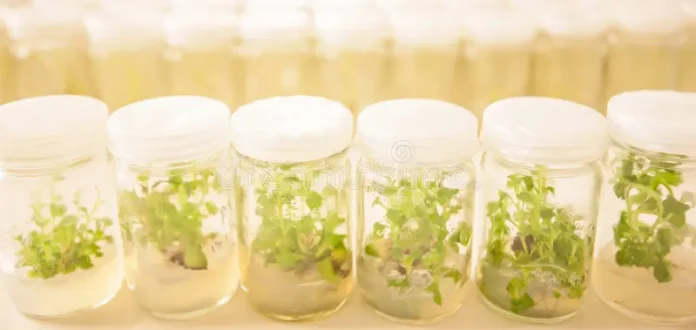

Sustainability has become a central focus in modern agriculture as growers and producers seek ways to increase productivity while reducing environmental impact. Tissue culture technology plays a significant role in this shift by enabling efficient plant propagation under controlled conditions. When combined with sustainable production practices, it offers a powerful solution for large-scale horticulture and commercial farming.
Tissue culture plants are produced in sterile laboratory environments, which already reduces the need for excessive land use and chemical inputs. However, sustainability in wholesale production goes beyond laboratory conditions and extends into energy use, resource management, waste reduction, and distribution efficiency. These factors are becoming increasingly important in global plant trade.
For commercial growers and distributors, sourcing from responsible suppliers such as Tissue Culture Plants Wholesale helps ensure that production practices align with environmental goals while still delivering high-quality, uniform planting material in bulk.
Efficient Use of Resources in Laboratory Production
One of the key sustainability advantages of tissue culture propagation is its efficient use of space and resources. Plants are grown in controlled environments where variables such as light, temperature, and nutrients are optimized for maximum output.
This leads to:
- Reduced land requirements compared to traditional nurseries
- Lower water consumption due to controlled irrigation systems
- Optimized nutrient usage with minimal waste
By using resources more efficiently, tissue culture production reduces the environmental footprint of large-scale plant propagation.
Reduced Chemical Dependency
Traditional plant propagation methods often rely heavily on pesticides, fungicides, and herbicides to manage diseases and pests. In contrast, tissue culture plants are produced in sterile conditions, significantly reducing the need for chemical treatments.
Sustainability benefits include:
- Lower chemical runoff into soil and water systems
- Reduced environmental pollution from agricultural inputs
- Healthier ecosystems surrounding cultivation areas
This reduction in chemical dependency supports both environmental protection and long-term soil health.
Lower Disease Transmission and Crop Loss
Disease control is a major sustainability factor in agriculture. Tissue culture propagation minimizes the spread of pathogens by ensuring plants are free from viruses, bacteria, and fungi at the production stage.
This contributes to:
- Reduced crop failure rates
- Less need for replanting and resource duplication
- Improved long-term plantation stability
Healthier crops mean fewer wasted resources, making production systems more efficient and environmentally responsible.
Energy Efficiency and Controlled Environments
While tissue culture laboratories require controlled environments, modern facilities are increasingly adopting energy-efficient technologies. These improvements help reduce the overall environmental impact of large-scale plant production.
Common practices include:
- Use of energy-efficient LED lighting systems
- Climate control systems optimized for reduced energy consumption
- Automation to reduce resource waste and human error
Such advancements help balance productivity with environmental responsibility.
Sustainable Packaging and Transportation
Wholesale distribution of tissue culture plants requires careful packaging and transportation to maintain plant quality. Sustainable practices in this area can significantly reduce environmental impact.
Key improvements include:
- Use of recyclable or biodegradable packaging materials
- Optimized shipping routes to reduce fuel consumption
- Bulk transportation to minimize carbon footprint per plant
Efficient logistics not only reduce costs but also contribute to greener supply chains.
Long-Term Agricultural Sustainability
Tissue culture plants support sustainable agriculture by improving yield efficiency and reducing input requirements. Their uniformity and disease resistance allow growers to produce more with fewer resources.
Long-term benefits include:
- Higher productivity per unit of land
- Reduced need for chemical fertilizers and pesticides
- Improved soil conservation through efficient cultivation practices
These factors contribute to a more sustainable agricultural ecosystem overall.
Conclusion
Sustainable practices in tissue culture plant wholesale production are transforming the way large-scale horticulture operates. From resource-efficient laboratory systems and reduced chemical usage to improved logistics and energy efficiency, every stage of production offers opportunities to minimize environmental impact.
As global demand for sustainable agriculture continues to rise, responsible sourcing from suppliers such as Tissue Culture Plants Wholesale plays an important role in supporting environmentally conscious farming. By integrating sustainability into production and distribution, the industry can achieve both economic efficiency and ecological balance.

