
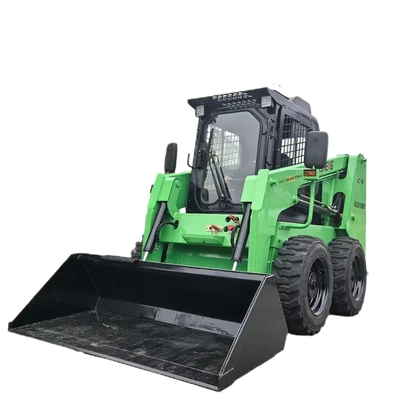

Battery performance is one of the most important factors to evaluate when purchasing electric construction equipment. For contractors, warehouse operators, and agricultural businesses, understanding how long a machine can operate between charges helps with scheduling, productivity, and long-term cost planning. Battery life also affects how efficiently equipment can handle daily workloads.
An Electric Skid Steer Loader uses a rechargeable battery system to power its electric motors and working functions, replacing the conventional diesel engine found in traditional models. Its operating time depends on battery capacity, workload, operating conditions, and charging practices. Buyers who understand these factors can make better decisions when comparing machines for different applications.
What Determines Electric Skid Steer Loader Battery Life?
Battery life can refer to two different measurements: how long a machine operates on a single charge and how many years its battery remains useful before its capacity declines significantly. Both are important when evaluating the performance and cost of electric equipment.
Runtime determines how much work the machine can complete during a shift. Battery service life, meanwhile, influences long-term maintenance expenses and the potential cost of battery replacement.
Battery Capacity
Battery capacity is a major factor affecting operating time. It is commonly measured in kilowatt-hours (kWh), which indicate how much energy a battery can store.
In general, a larger battery can provide longer runtime when other conditions are similar. However, battery size alone does not determine productivity because motor efficiency, hydraulic demand, and the type of work also affect energy consumption.
Buyers should compare battery capacity alongside expected energy use rather than relying on battery size as the only performance indicator.
Workload and Operating Intensity
The amount of work performed during each operating cycle directly influences battery consumption. Light-duty tasks, such as moving small loads across a smooth surface, may require less energy than continuous lifting, digging, or operating demanding hydraulic attachments.
Frequent acceleration, heavy loads, and repeated lifting can increase energy demand. For this reason, the same machine may deliver different runtimes on different job sites.
When comparing specifications, buyers should consider their typical workload rather than relying solely on ideal operating conditions.
Terrain and Ground Conditions
The surface on which a skid steer loader operates can also affect battery performance. Smooth, level floors generally require less effort to navigate than steep slopes, loose soil, muddy ground, or uneven terrain.
Outdoor construction and agricultural work may therefore consume more energy than light material handling on level indoor surfaces. Tire type, machine weight, traction, and driving habits can further influence energy use.
Attachments and Hydraulic Demand
Skid steer loaders can use attachments such as buckets, pallet forks, sweepers, augers, and other compatible tools. Each attachment has different power requirements and affects overall energy consumption.
Hydraulically intensive equipment may draw more power than simple material-handling tools. Buyers should check hydraulic flow, pressure, attachment compatibility, and expected battery consumption before selecting a machine for specialized work.
How Long Does an Electric Skid Steer Loader Run on One Charge?
There is no single runtime that applies to every electric skid steer loader. Operating time varies according to battery capacity, machine design, workload, and environmental conditions.
Some applications may allow a machine to operate through much of a working shift, while demanding jobs may require charging breaks or access to another battery-powered machine. The manufacturer’s stated runtime should be treated as a reference point rather than a guarantee of actual performance.
Before purchasing equipment, ask the supplier for runtime estimates under conditions similar to your intended application. Information about continuous operation, mixed workloads, and attachment use can provide a more realistic picture of productivity.
How to Estimate Operating Time
A basic estimate can be calculated by dividing usable battery energy by the machine’s average power consumption.
Estimated runtime (hours) = Usable battery capacity (kWh) ÷ Average power consumption (kW)
For example, if a machine has 30 kWh of usable battery energy and consumes an average of 6 kW, the estimated runtime is approximately five hours.
This is a simplified illustration, not a specification for any particular machine. Actual operating time may differ because of changing workloads, energy losses, temperature, and battery management limits.
How Long Does an Electric Skid Steer Loader Battery Last?
The total service life of a battery depends on its chemistry, manufacturing quality, operating temperature, charging habits, and number of charge cycles. Battery capacity gradually declines with use, meaning a machine may eventually operate for less time between charges than it did when new.
Lithium-ion batteries are commonly used in modern electric equipment because of their energy density and charging characteristics. However, the exact performance and lifespan depend on the battery design and the manufacturer’s operating recommendations.
Buyers should request information about expected cycle life, warranty coverage, capacity retention, and replacement availability. These details are more useful than relying on a general lifespan estimate that may not reflect the actual battery system.
How Charging Habits Affect Battery Performance
Charging practices can influence both daily availability and long-term battery condition. Following the manufacturer’s recommendations helps maintain reliable performance and reduces avoidable battery wear.
Follow Manufacturer Charging Guidelines
Use compatible charging equipment and follow the specified charging procedure. Avoid charging methods or electrical connections that have not been approved for the machine.
The correct charging method depends on battery chemistry, battery management systems, charger output, and manufacturer guidance.
Avoid Excessive Heat
High temperatures can accelerate battery degradation and may affect charging performance. Machines should be operated, stored, and charged within the environmental limits specified by the manufacturer.
Charging in an appropriate location and keeping ventilation requirements in mind can help protect the battery system and support safe operation.
Plan Charging Around Work Schedules
Charging during planned breaks or between shifts can reduce interruptions. Businesses with demanding schedules should assess whether the available charging time is sufficient to support their required daily output.
For multi-shift operations, it may be necessary to consider additional charging infrastructure or alternative equipment arrangements.
Monitor Battery Condition
Regularly check battery status indicators, charging behavior, warning messages, and any changes in operating time. Unusual heating, visible damage, or repeated charging faults should be assessed by qualified service personnel.
Routine monitoring can help identify performance changes before they cause unexpected downtime.
Factors to Consider When Buying an Electric Skid Steer Loader
Battery performance should be assessed alongside the machine’s other operating characteristics. A machine with a large battery may not be the best choice if it cannot handle the required load or support the necessary attachments.
1. Usable Battery Capacity
Ask for the battery’s total and usable capacity. The distinction matters because a battery management system may reserve some energy to protect the battery and maintain reliable operation.
2. Charging Time
Find out how long the battery takes to charge using the recommended equipment. Confirm whether the stated charging time refers to a full charge or a partial charge under specific conditions.
3. Power Consumption
Request realistic energy consumption figures for the intended workload. This information helps estimate runtime, electricity expenses, and the number of charging sessions needed per day.
4. Battery Warranty
Review the warranty period, coverage conditions, and any limits related to operating hours or charge cycles. Check whether the warranty addresses battery capacity degradation and how claims are handled.
5. Replacement Battery Availability
Battery replacement can be a significant long-term expense. Before buying, confirm that compatible replacement batteries and qualified service support will be available when needed.
6. Charging Infrastructure
Evaluate the electrical supply, charger compatibility, installation requirements, and available charging locations. Businesses should also consider whether their existing facilities can support the machine’s charging needs without disrupting other operations.
Ways to Improve Battery Runtime
Good operating practices can help maximize the work completed between charges.
- Avoid unnecessary travel and excessive idling where applicable.
- Use the correct attachment for each task.
- Keep tires, tracks, and other moving components in suitable condition.
- Avoid carrying loads beyond the machine’s rated capacity.
- Plan work routes to reduce unnecessary movement.
- Follow recommended battery storage and charging procedures.
- Train operators to use the machine efficiently and recognize battery warnings.
These measures cannot eliminate the natural effects of battery aging, but they may help improve energy efficiency and reduce avoidable downtime.
Electric Skid Steer Loader Battery Costs and Total Ownership Expenses
Battery-related costs extend beyond the initial purchase price. Electricity consumption, charging equipment, routine inspections, potential repairs, and eventual battery replacement all contribute to the total cost of ownership.
An electric machine may reduce certain engine-related servicing expenses compared with a diesel alternative. However, whether it provides lower overall costs depends on electricity prices, annual operating hours, battery durability, workload, and local service availability.
Buyers should compare these expenses over the expected ownership period rather than focusing only on the upfront price or estimated runtime. A machine that meets daily productivity requirements with fewer interruptions may provide better operational value than one that requires frequent charging.
Common Questions About Electric Skid Steer Loader Batteries
Can an Electric Skid Steer Loader Work a Full Shift?
It depends on the battery capacity, workload, operating environment, and length of the shift. Buyers should request application-specific runtime estimates and determine whether charging breaks are practical for their schedules.
Does Heavy Work Reduce Battery Runtime?
Yes. Heavy lifting, demanding hydraulic attachments, difficult terrain, and frequent acceleration can increase energy consumption and shorten runtime between charges.
Is It Possible to Charge the Battery During Breaks?
Some battery systems support partial charging during breaks, but the suitability and charging speed depend on the battery, charger, and manufacturer recommendations. Confirm the permitted charging practices before relying on this approach.
When Should the Battery Be Replaced?
Replacement depends on battery condition, remaining capacity, operating requirements, and manufacturer guidance. A battery may need replacement when degradation prevents the machine from meeting practical runtime requirements or when qualified technicians determine that it is no longer suitable for service.
Conclusion
Battery life is a key consideration when purchasing electric skid steer loaders because it affects productivity, charging schedules, operating expenses, and long-term equipment value. Battery capacity, workload, terrain, attachment requirements, and charging habits all influence how long a machine operates between charges and how well its battery performs over time.
Before making a purchase, compare usable capacity, realistic runtime, charging time, warranty coverage, and replacement battery availability. Matching these factors to your actual working conditions will help you select equipment that supports dependable performance and efficient day-to-day operations.

