
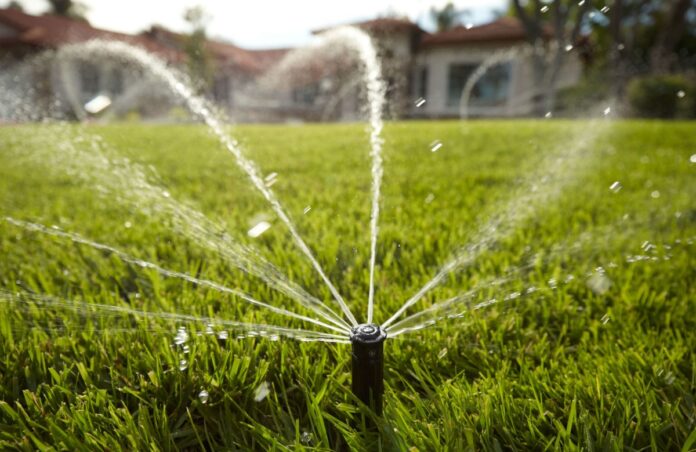

High-pressure water distribution systems require irrigation pipes that can withstand demanding operating conditions while delivering water reliably across agricultural fields. These systems are commonly used in sprinkler irrigation, large-scale farming, pumping networks, and installations where water must travel long distances or reach elevated areas. Selecting unsuitable pipes can increase the risk of leaks, joint failures, pressure losses, and unexpected maintenance expenses.
Before choosing a piping system, buyers should evaluate operating pressure, flow requirements, material properties, and installation conditions. Consulting an Irrigation Pipe Manufacturer can help farmers, contractors, and irrigation planners compare available pipe specifications and identify suitable products for their applications. A carefully selected system supports dependable water distribution, protects connected equipment, and helps maintain long-term operational efficiency.
Understanding High-Pressure Irrigation Systems
High-pressure irrigation systems use pumps or pressurized water supplies to move water through pipelines and deliver it to the required outlets. Depending on the installation, these systems may supply sprinkler networks, large agricultural fields, elevated terrain, or multiple irrigation zones.
The pressure within a pipeline depends on several factors, including pump performance, elevation changes, flow rate, and friction losses. Pressure can also fluctuate when pumps start or stop, valves close rapidly, or operating conditions change.
Understanding these conditions is essential before selecting pipes. A product that performs well in a low-pressure gravity-fed system may not be suitable for a pressurized network.
Select Pipes With the Appropriate Pressure Rating
Pressure rating is one of the most important specifications when choosing irrigation pipes for high-pressure applications. It indicates the pressure a pipe is designed to withstand under specified conditions.
A pipe’s required rating should be based on the system’s maximum expected pressure, not just its normal operating pressure. Designers must also consider foreseeable pressure surges and any applicable temperature-related reductions in allowable working pressure.
When comparing products, review the manufacturer’s stated pressure rating and technical documentation. Confirm that the rating applies to the intended operating conditions and that connected fittings, valves, and other components have compatible pressure capabilities.
Selecting an unnecessarily high rating can increase costs, while choosing an inadequate rating can compromise system reliability.
Compare Suitable Pipe Materials
Different pipe materials offer different combinations of strength, flexibility, corrosion resistance, and installation characteristics. The most appropriate option depends on the pressure requirements and the conditions in which the pipes will operate.
High-Density Polyethylene (HDPE) Pipes
HDPE pipes are widely used in agricultural water distribution because of their flexibility, impact resistance, and resistance to corrosion. They can be useful in installations where ground movement, changing terrain, or adaptable routing is a consideration.
Their pressure capacity depends on material grade, outside diameter, wall thickness, and the relevant product standard. Buyers should verify the specifications of the exact pipe rather than assuming that every HDPE product is suitable for high-pressure use.
PVC Irrigation Pipes
PVC pipes are commonly used in fixed irrigation networks and are available in different dimensions and pressure classes. They offer relatively low weight and good corrosion resistance, making them suitable for many agricultural water distribution applications.
For high-pressure installations, the selected PVC product must have an appropriate pressure rating and be installed according to the manufacturer’s requirements. Temperature, sunlight exposure, jointing methods, and installation conditions should also be considered.
Match the Material to the Installation
Neither HDPE nor PVC is automatically the best choice for every high-pressure system. Compare the actual product specifications, installation requirements, and total project costs before making a decision.
For complex networks, a combination of pipe materials may be suitable if the connections and pressure capabilities are properly designed.
Determine the Correct Pipe Diameter
Pipe diameter influences water velocity, friction losses, and the amount of water that can be delivered to downstream equipment. Choosing the correct diameter is especially important in high-pressure systems with long pipelines or substantial flow requirements.
If a pipe is too small, water velocity and friction losses may increase, reducing the pressure available at the outlets. An unnecessarily large pipe, however, may raise material and installation costs without providing a meaningful benefit.
When determining pipe diameter, consider:
- Required flow rate for each irrigation zone
- Total pipeline length
- Number of outlets operating simultaneously
- Elevation changes across the site
- Pressure required by sprinklers or other irrigation equipment
- Pump performance and energy consumption
Hydraulic calculations can help determine suitable dimensions for mainlines, sub-mainlines, and distribution pipes. Pipe diameter should be selected according to flow requirements, while pressure rating should be assessed separately based on the maximum pressure the pipe must withstand.
Account for Pressure Surges and Water Hammer
High-pressure irrigation networks can experience temporary pressure increases known as pressure surges or water hammer. These may occur when pumps start or stop, valves close rapidly, or water velocity changes suddenly.
A surge can produce pressures above normal operating levels and may damage pipes, joints, valves, and other components. A pipe that appears suitable under steady operating pressure may therefore be inadequate if transient pressures are not considered.
Several design measures can help manage this risk:
- Use controlled valve-opening and closing procedures where appropriate.
- Select pumps and controls suited to the system’s operating requirements.
- Consider suitable pressure-relief or surge-control equipment.
- Evaluate pressure changes in long pipelines and complex networks.
- Ensure that the piping system and all connected components can accommodate foreseeable pressure conditions.
For large or high-risk installations, a qualified irrigation engineer can assess transient pressures and recommend appropriate protection measures.
Evaluate Pipe Wall Thickness and Dimension Ratio
Wall thickness affects a pipe’s ability to withstand internal pressure. For pipes made from the same material and with comparable design characteristics, a thicker wall generally supports a higher pressure rating at the same outside diameter.
Some plastic pipe products use a standard dimension ratio (SDR), which describes the relationship between outside diameter and wall thickness. A lower SDR generally indicates a thicker wall relative to the outside diameter.
However, SDR alone does not establish the allowable operating pressure. Material properties, manufacturing standards, temperature, and product specifications must also be considered.
Buyers should compare wall thickness and pressure classification together rather than relying on a single measurement when evaluating high-pressure irrigation pipes.
Consider Pump Capacity and Operating Conditions
The pump and piping network must be designed to work together. A pump selected without considering pipeline resistance and pressure requirements may deliver insufficient flow, consume excessive energy, or expose components to unsuitable pressure conditions.
Before choosing pipes, identify the pump’s operating characteristics and determine the pressure required at the irrigation outlets. Include elevation differences, friction losses, filters, valves, and other equipment in the assessment.
It is also important to consider the pump’s maximum possible pressure under relevant operating conditions. The system should be designed so that the pipework is not exposed to pressures beyond its allowable limits.
Proper coordination between pump selection and pipe sizing supports dependable water delivery and helps control operating costs.
Check Compatibility of Fittings and Connections
A high-pressure irrigation system is only as reliable as its connected components. Pipes, fittings, valves, connectors, and control equipment must be compatible in dimensions, materials, joining methods, and pressure ratings.
A pipe with an appropriate pressure rating can still experience leakage or failure if it is connected using unsuitable fittings or installed incorrectly.
Before purchasing, confirm the following:
- Fittings match the pipe’s dimensions and connection type.
- Joints are suitable for the intended operating pressure.
- Valves and filters can handle the system’s flow and pressure.
- Joining procedures follow the manufacturer’s instructions.
- All components are suitable for the water quality and operating environment.
The complete network should be evaluated as a system rather than treating the pipe as an isolated component.
Assess Installation Conditions and Environmental Exposure
High-pressure irrigation pipes may be installed underground, above ground, or along exposed agricultural routes. Each arrangement introduces different considerations.
Buried pipes must be suitable for the soil conditions, installation depth, external loads, and backfilling practices. Above-ground pipes may require protection from sunlight, temperature fluctuations, physical impact, and movement caused by pressure or thermal expansion.
Handling and installation also affect performance. Excessive bending, damaged surfaces, poor joint preparation, or inadequate support can compromise a pipe’s integrity.
Follow the manufacturer’s installation recommendations and ensure that the pipeline is properly supported, connected, and protected for its intended environment.
Review Manufacturing Quality and Technical Standards
Consistent manufacturing quality is essential for pipes used in demanding pressure applications. Variations in wall thickness, dimensions, or material properties can affect performance and installation compatibility.
When comparing suppliers, request technical information covering material grade, pipe dimensions, pressure classification, and relevant manufacturing standards. Where applicable, review inspection reports, test records, and product certifications.
Quality checks may include dimensional inspection, visual examination, and pressure or material testing, depending on the product and applicable standards.
Buyers should verify that any documentation relates to the exact product being purchased. General statements about quality are less useful than clearly defined specifications supported by relevant evidence.
Compare Total Cost Rather Than Purchase Price Alone
High-pressure irrigation pipes can represent a significant part of an agricultural infrastructure budget. Although the initial purchase price matters, long-term value also depends on installation, maintenance, energy use, and expected service life.
When comparing quotations, consider:
- Pipe material, diameter, wall thickness, and pressure rating
- Delivery and handling charges
- Installation labor and equipment
- Compatible fittings and accessories
- Expected maintenance and repair requirements
- Availability of replacement pipes and components
- Potential energy costs associated with hydraulic losses
A lower-priced product may be a poor investment if it does not meet the system’s technical requirements. Conversely, a more expensive product is not necessarily better if its additional specifications are unnecessary for the application.
The most economical option is one that meets the required performance criteria at a reasonable total ownership cost.
Common Mistakes to Avoid
Selecting pipes for high-pressure irrigation becomes easier when buyers avoid these common errors.
Choosing Based on Material Alone
PVC and HDPE products can have different pressure capabilities depending on their specifications. Always verify the actual pressure rating and intended application.
Ignoring Maximum Pressure
Normal operating pressure may not reflect the highest pressure the network will experience. Account for pump conditions, elevation, and foreseeable pressure surges.
Using Undersized Pipes
A pipe that is too small can increase friction losses and energy requirements. Base diameter selection on flow calculations rather than assumptions.
Overlooking Component Compatibility
Mismatched fittings or valves can create weak points in an otherwise suitable system. Verify the pressure rating and connection requirements of every component.
Neglecting Installation Quality
Poor jointing, inadequate support, and unsuitable handling can cause premature problems. Follow installation instructions and use appropriate installation practices.
A Practical Checklist for Selecting High-Pressure Irrigation Pipes
Before placing an order, work through the following steps:
- Determine the required flow rate and outlet pressure for each irrigation zone.
- Calculate pipeline dimensions using length, elevation, and friction-loss requirements.
- Establish the maximum expected pressure, including foreseeable surges.
- Compare suitable materials, wall thicknesses, and pressure ratings.
- Verify compatibility with pumps, fittings, valves, and other equipment.
- Review relevant standards and available technical documentation.
- Check installation conditions and environmental limitations.
- Compare supplier quotations using equivalent specifications.
- Plan for pressure control, routine inspection, and future maintenance.
For large agricultural networks, professional hydraulic design can help confirm pipe dimensions, pressure requirements, and appropriate surge-protection measures.
Conclusion
Choosing irrigation pipes for high-pressure water distribution systems requires careful evaluation of pressure ratings, pipe diameter, material properties, wall thickness, and operating conditions. Pump performance, pressure surges, installation quality, and component compatibility also play important roles in determining system reliability.
By verifying technical specifications and comparing complete system requirements, farmers and irrigation contractors can reduce the risk of premature failures and avoid unnecessary expenses. The goal is to select pipes that safely handle expected operating conditions while delivering the flow required by the irrigation network.
A well-designed system combines suitable piping with compatible components, proper installation, effective pressure management, and regular maintenance. These measures help support reliable water distribution and efficient agricultural operations over the long term.

