
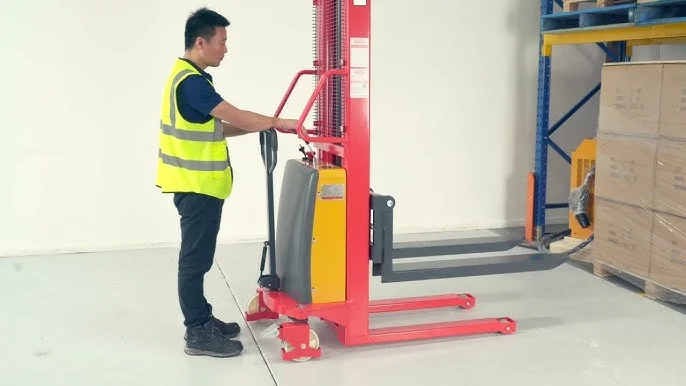

Choosing the right material handling equipment is a critical decision for any warehouse or logistics operation. Electric stackers play an essential role in improving efficiency, safety, and productivity, but their performance largely depends on the supplier you choose.
A reliable supplier not only provides quality equipment but also ensures long-term support, maintenance, and technical guidance. Asking the right questions before making a purchase helps businesses avoid costly mistakes and ensures they invest in equipment that meets their operational needs.
When evaluating options such as an Electric Stacker Supplier, it is important to focus on product quality, service reliability, and long-term value rather than just upfront pricing.
What Is the Quality and Durability of the Equipment?
One of the first questions to ask any supplier is about the quality and durability of their electric stackers. Warehouse equipment is exposed to heavy loads, continuous operation, and demanding environments, so build quality is critical.
Understanding the materials used, manufacturing standards, and testing procedures can help determine whether the equipment will perform reliably over time.
Key points to consider include:
- Frame strength and load-bearing capacity
- Quality of hydraulic and electrical components
- Resistance to wear and heavy-duty usage
- Expected service life under normal conditions
Does the Supplier Offer Technical Support and Maintenance?
After-sales service is just as important as the equipment itself. Even high-quality electric stackers require periodic maintenance and technical assistance to ensure optimal performance.
A dependable supplier should provide ongoing support to help minimize downtime and extend equipment lifespan.
Important questions include:
- Is technical support available locally or remotely?
- How quickly can maintenance requests be handled?
- Are spare parts readily available?
- Does the supplier offer routine servicing packages?
Reliable support ensures that warehouse operations remain uninterrupted.
What Safety Features Are Included?
Safety is a top priority in any warehouse environment. Electric stackers must be designed with features that protect both operators and goods during daily operations.
Before selecting a supplier, it is essential to understand the safety mechanisms integrated into their equipment.
Key safety features to ask about:
- Load stability control systems
- Emergency stop functions
- Overload protection systems
- Operator safety and ergonomic design
Equipment that meets modern safety standards reduces workplace risks and improves operational confidence.
Is the Equipment Suitable for Your Warehouse Needs?
Not all warehouses have the same operational requirements. Factors such as aisle width, storage height, and load weight all influence the type of electric stacker needed.
A professional supplier should help match equipment specifications with your specific warehouse layout and workflow.
Consider asking:
- What load capacities are available?
- What lifting heights can be supported?
- Is the equipment suitable for narrow aisles?
- Can it handle your daily operational volume?
Proper matching ensures maximum efficiency and productivity.
What Is the Total Cost of Ownership?
While initial price is important, the total cost of ownership provides a more accurate picture of long-term investment value. This includes maintenance, energy consumption, and equipment lifespan.
A trustworthy supplier will provide transparent information about long-term operating costs.
Factors to evaluate include:
- Energy efficiency of the equipment
- Maintenance frequency and cost
- Expected lifespan of key components
- Availability of affordable spare parts
Understanding these costs helps businesses make informed investment decisions.
Does the Supplier Offer Customization Options?
Different industries require different material handling solutions. A flexible supplier should be able to provide customized options based on operational requirements.
Customization may include adjustments in design, capacity, or functionality.
Questions to ask:
- Can equipment be customized for specific industries?
- Are adjustable configurations available?
- Can features be modified for unique workflows?
- Is OEM/ODM support offered?
Customization ensures better alignment with business needs.
How Experienced Is the Supplier in the Industry?
Experience plays a significant role in determining supplier reliability. An experienced supplier is more likely to understand industry challenges and provide practical solutions.
When evaluating suppliers, consider their track record and industry expertise.
Important aspects include:
- Years of experience in material handling equipment
- Client base and industry coverage
- Product development capabilities
- Reputation in the market
Experienced suppliers are generally more reliable and better equipped to provide long-term support.
Conclusion
Selecting the right electric stacker supplier is a strategic decision that impacts warehouse efficiency, safety, and long-term operational costs. Asking the right questions helps businesses evaluate quality, service, and overall value before making an investment.
A reliable Electric Stacker Supplier should offer durable equipment, strong technical support, safety-focused design, and flexible solutions tailored to different warehouse needs. By carefully assessing these factors, businesses can ensure smoother operations and long-term success in their logistics and material handling processes.

