
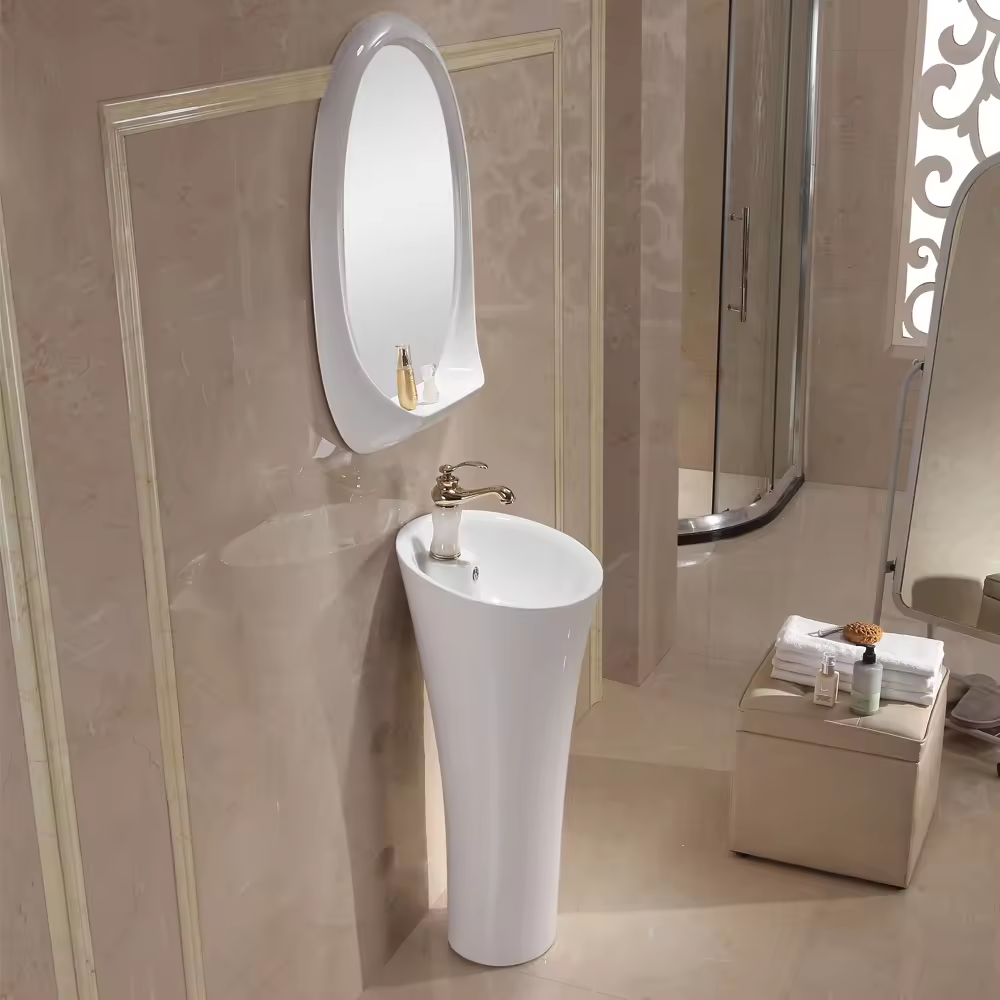

Choosing the right material is essential when selecting a basin for a compact bathroom. The material affects durability, maintenance, stain resistance, appearance, and long-term value. Since bathroom basins are exposed to water, soap, cleaning products, and frequent daily use, selecting a suitable option can help maintain both functionality and appearance for years.
When comparing a Small Basin for Bathroom installation, homeowners should consider how different materials perform under everyday conditions. Ceramic, porcelain, natural stone, glass, and solid surface each offer distinct advantages. Understanding their characteristics makes it easier to choose a basin that fits the bathroom’s design, available space, maintenance requirements, and budget.
1. Ceramic: A Practical Choice for Everyday Use
Ceramic is one of the most common materials used for bathroom basins because it offers a balance of durability, affordability, and easy maintenance. Its glazed surface creates a smooth finish that helps resist ordinary stains and makes routine cleaning relatively simple.
Ceramic basins are available in various shapes and sizes, including compact wall-mounted models, countertop bowls, and integrated vanity designs. Their versatility makes them suitable for small residential bathrooms, guest toilets, and powder rooms.
Advantages of Ceramic Basins
- Easy cleaning: A smooth glazed surface helps prevent dirt and soap residue from adhering firmly.
- Moisture resistance: Properly glazed ceramic does not readily absorb water.
- Design flexibility: It is available in numerous shapes, colors, and finishes.
- Affordable options: Many ceramic basins are accessible to homeowners working with limited renovation budgets.
However, ceramic can chip or crack if struck by a heavy object. Avoid dropping hard items into the bowl and inspect the glaze periodically for damage.
2. Porcelain: Smooth Finish and Reliable Performance
Porcelain is a type of ceramic material generally made from refined clay and fired at high temperatures. Depending on the manufacturing process, it can offer low water absorption, a dense structure, and a refined finish.
Porcelain bathroom basins are popular in modern interiors because their smooth, often glossy surfaces complement a wide range of fixtures. White porcelain is particularly versatile, pairing well with neutral tiles, wooden cabinets, and contemporary metal fittings.
Why Choose Porcelain?
Porcelain is a good option for households that want a clean appearance with relatively straightforward maintenance. Its nonporous or low-absorption surface, depending on the product, helps resist moisture and everyday staining.
Like other ceramic products, porcelain can still crack or chip under significant impact. Quality, thickness, firing conditions, and installation also influence its overall performance, so checking product specifications is important.
3. Solid Surface: Modern Design and Seamless Appearance
Solid-surface materials are manufactured from blends of mineral fillers and binding resins. They are used in contemporary bathroom fixtures because they can be formed into smooth, streamlined shapes and, in some designs, integrated with a matching countertop.
This material is particularly suitable for compact bathrooms where a clean visual appearance can make the space feel more organized. Integrated basins can reduce visible joints around the washing area and create a consistent finish.
Benefits of Solid-Surface Basins
- Contemporary styling: Suitable for minimalist, modern, and premium bathroom interiors.
- Design versatility: Manufacturers can create different bowl shapes, profiles, and integrated configurations.
- Easy routine maintenance: Many solid-surface products have smooth surfaces that are simple to clean.
- Potential repairability: Certain products can be sanded or refinished to address minor surface damage, depending on the manufacturer’s instructions.
The exact performance of solid surface depends on its formulation. Some products may scratch, discolor, or suffer heat damage if exposed to unsuitable substances or cleaning methods.
Before purchasing, review the manufacturer’s maintenance instructions and ask whether the surface can be repaired if minor scratches develop.
4. Natural Stone: Distinctive Appearance and Lasting Appeal
Natural stone basins made from materials such as marble, granite, or travertine can introduce texture and visual character into a bathroom. Each stone has its own natural patterns, making every basin visually distinctive.
Stone can be an attractive choice for homeowners who want a sophisticated interior with natural materials. In a compact bathroom, a carefully proportioned stone basin can become a focal point without requiring elaborate decoration elsewhere.
What to Consider Before Choosing Stone
Natural stone is not equally resistant to stains or moisture across all varieties. Some stones are porous and may require periodic sealing to help protect against water absorption and staining.
Marble can be sensitive to acidic substances, including certain household cleaners, while granite generally offers good hardness but may still need appropriate care depending on its finish and composition.
Natural stone basins can also be heavier than other options. Check the supporting countertop, cabinet, or mounting system to ensure it can safely carry the fixture’s weight.
For long-term performance, follow the supplier’s recommendations for sealing, cleaning, and maintenance.
5. Tempered Glass: A Contemporary and Decorative Option
Glass basins offer a distinctive appearance that suits modern and decorative bathroom designs. They are available in clear, tinted, frosted, and colored finishes, providing flexibility for different interior styles.
Tempered glass is designed to be stronger than ordinary glass of comparable thickness and to break differently when it fails. However, it is not unbreakable and can still be damaged by impact or other stresses.
Advantages and Limitations of Glass
Glass basins are nonporous, so the material itself does not absorb water. Regular cleaning can help maintain its appearance, although water spots, fingerprints, and soap residue may be more noticeable on some finishes.
Another consideration is the installation of the supporting countertop and faucet. The basin must be secured according to the manufacturer’s specifications, and any drilling or modification should follow approved procedures.
Glass is best suited to homeowners who appreciate its decorative appearance and are comfortable with more frequent surface cleaning.
6. Stainless Steel: Functional and Easy to Maintain
Stainless steel is widely used in utility areas and some contemporary washing spaces. Its resistance to corrosion depends on the grade of steel, environmental conditions, and quality of fabrication.
Although stainless steel is more commonly associated with kitchens and commercial environments, it can be a practical option for certain bathrooms, particularly those prioritizing a functional, industrial-inspired appearance.
Key Benefits of Stainless Steel
Stainless steel is generally lightweight compared with many stone basins and is resistant to ordinary impacts that might chip ceramic surfaces. It also does not have a ceramic glaze that can chip away.
However, the surface can develop scratches, fingerprints, or water marks. Lower-quality grades may be more susceptible to corrosion under unsuitable conditions, especially when exposed to harsh chemicals or chloride-containing products.
For residential bathrooms, check the steel grade, surface finish, fabrication quality, and cleaning requirements before selecting this material.
7. Comparing Common Small Bathroom Basin Materials
The following table summarizes the main characteristics of commonly available basin materials.
| Material | Main advantage | Potential drawback | Maintenance needs |
|---|---|---|---|
| Ceramic | Affordable and easy to clean | Can chip or crack under impact | Routine cleaning with suitable products |
| Porcelain | Smooth finish and low water absorption in suitable products | Can crack under significant impact | Regular cleaning and careful handling |
| Solid surface | Seamless designs and potential repairability | Performance varies by formulation | Follow product-specific cleaning guidance |
| Natural stone | Unique patterns and premium appearance | Some varieties require sealing | Material-specific cleaners and periodic care |
| Tempered glass | Decorative, nonporous surface | Water spots and impact damage are concerns | Frequent wiping may be needed |
| Stainless steel | Lightweight and resistant to many everyday impacts | Scratches and water marks can be visible | Routine cleaning and prompt removal of residues |
No material is automatically the most durable in every situation. Manufacturing quality, installation, frequency of use, and maintenance habits all influence how well a basin performs over time.
8. Factors That Affect Basin Durability
Material selection is only one part of choosing a durable bathroom basin. Several additional factors can affect its service life and everyday performance.
Manufacturing Quality
The quality of raw materials, forming methods, finishing, and inspection can influence the basin’s strength and consistency. Look for clear product specifications and information about manufacturing standards rather than relying on appearance alone.
Installation Method
A properly installed basin is less likely to experience stress caused by inadequate support or incorrect fastening. Wall-mounted models need suitable structural support, while countertop basins require a stable, appropriately sized surface.
Ensure that the mounting hardware, waste fittings, and plumbing connections are compatible with the selected basin.
Resistance to Household Chemicals
Some bathroom cleaners contain acids, abrasives, or other substances that can damage particular finishes. Natural stone, resin-based surfaces, and specialty coatings may have specific cleaning requirements.
Use products approved by the manufacturer and avoid abrasive pads unless the instructions explicitly permit them.
Frequency of Use
A basin in a busy family bathroom may experience more wear than one in an occasional-use guest toilet. High-use spaces benefit from materials that are easy to clean and suited to frequent contact with water and cleaning products.
Consider who will use the bathroom and how often when evaluating the available options.
9. Which Material Is Best for a Compact Bathroom?
The best material depends on the bathroom’s purpose, design preferences, and maintenance expectations.
- For everyday family bathrooms: Ceramic or porcelain is often a practical starting point because of its smooth surface and straightforward care.
- For minimalist interiors: Solid surface can provide a streamlined appearance, especially when paired with an integrated countertop.
- For premium designs: Natural stone offers distinctive patterns and texture, provided the owner is prepared to follow its maintenance requirements.
- For decorative powder rooms: Tempered glass can create a striking visual feature.
- For utility-focused spaces: Stainless steel may suit settings where function and impact resistance are priorities.
Dimensions should also guide the decision. A compact basin must provide enough usable bowl space while fitting comfortably into the available layout. Check its width, depth, mounting requirements, and faucet compatibility before making a final selection.
10. How to Maintain a Basin for Long-Term Use
Even a well-made basin can deteriorate prematurely if it is cleaned incorrectly or installed without adequate support. A few consistent habits can help preserve its condition.
- Clean regularly: Remove soap residue, toothpaste, and other deposits before they build up.
- Use suitable cleaning products: Follow the manufacturer’s recommendations for the basin’s specific material.
- Avoid unnecessary impacts: Keep heavy bottles and hard objects away from the bowl’s edges.
- Inspect plumbing connections: Check for leaks around the drain and faucet to prevent damage to cabinets and nearby surfaces.
- Address damage promptly: Repair minor surface issues when appropriate and seek professional advice if cracks or structural damage appear.
- Follow installation guidelines: Ensure mounting hardware and supporting surfaces remain secure.
These measures help reduce avoidable wear and keep the bathroom looking clean and well maintained.
Conclusion
Choosing a durable bathroom basin requires balancing material performance, appearance, maintenance, and installation requirements. Ceramic and porcelain are reliable options for many homes, while solid surface offers contemporary design flexibility. Natural stone, tempered glass, and stainless steel can also work well when their particular strengths and limitations suit the intended bathroom.
Before making a decision, compare product specifications, check the manufacturer’s care instructions, and measure the installation area carefully. By matching the basin material to your household’s needs and maintenance preferences, you can create a compact bathroom that remains practical, attractive, and comfortable for everyday use.

