

Automotive manufacturing relies on thousands of components working together to create safe, reliable, and efficient vehicles. Among these components, fastening systems play a critical role by securely connecting different parts and ensuring proper vehicle assembly.
Modern Automotive Fastening Solutions are designed to meet the demanding requirements of vehicle production. They provide strong connections, improve assembly efficiency, and help maintain the long-term performance of automotive systems.
Understanding Automotive Fastening Solutions
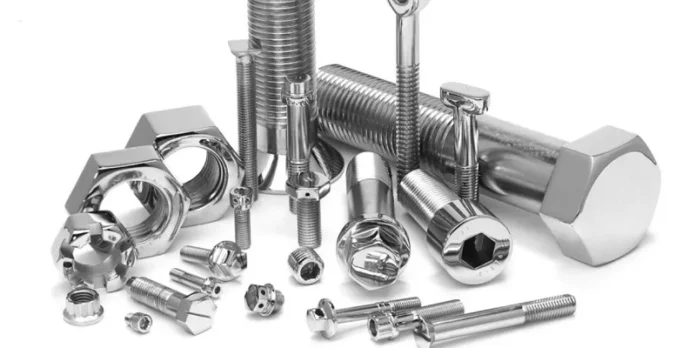
Automotive fastening solutions include various components and techniques used to join vehicle parts together. These solutions can include bolts, screws, nuts, clips, rivets, and specialized fasteners designed for specific automotive applications.
Unlike general fastening products, automotive solutions are developed to handle conditions such as vibration, mechanical stress, temperature changes, and environmental exposure.
Why Fastening Solutions Are Important in Vehicles
Fasteners may be small components, but they have a major impact on vehicle safety and reliability. A properly designed fastening system ensures that different parts remain securely connected during operation.
Key benefits include:
- Improved structural stability
- Enhanced vehicle safety
- Reliable component alignment
- Reduced maintenance requirements
- More efficient manufacturing processes
Applications of Automotive Fastening Solutions
Automotive fastening solutions are used throughout almost every area of a vehicle. Different systems require fasteners with specific performance characteristics.
Common applications include:
Engine and Powertrain Systems
Fasteners used in engines and powertrain components must withstand high temperatures, pressure, and continuous mechanical stress. Reliable connections help maintain efficient operation and prevent component failures.
Vehicle Body Structures
Body assemblies require fastening solutions that provide strength while supporting safety and durability. These fasteners help maintain the structural integrity of vehicles during normal use and impact situations.
Interior and Electronic Components
Modern vehicles include many electronic systems and interior features that require precise fastening. Specialized fasteners help secure components while supporting efficient assembly and clean designs.
Factors to Consider When Selecting Fastening Solutions
Choosing the right automotive fastening solution requires evaluating several important factors. Manufacturers consider:
- Material compatibility
- Load and stress requirements
- Corrosion resistance
- Installation methods
- Environmental conditions
Proper selection ensures that fasteners perform effectively throughout the vehicle’s lifespan.
The Evolution of Automotive Fastening Technology
Automotive technology continues to change with the growth of electric vehicles, lightweight materials, and automated manufacturing. These developments require fastening solutions that offer improved strength, accuracy, and adaptability.
Advanced production methods and material innovations are helping create more efficient fastening systems for future vehicle designs.
Conclusion
Automotive fastening solutions are essential for creating safe, durable, and high-performing vehicles. By providing secure connections between components, they support efficient manufacturing and contribute to the overall reliability of modern automotive systems.

