

Introduction
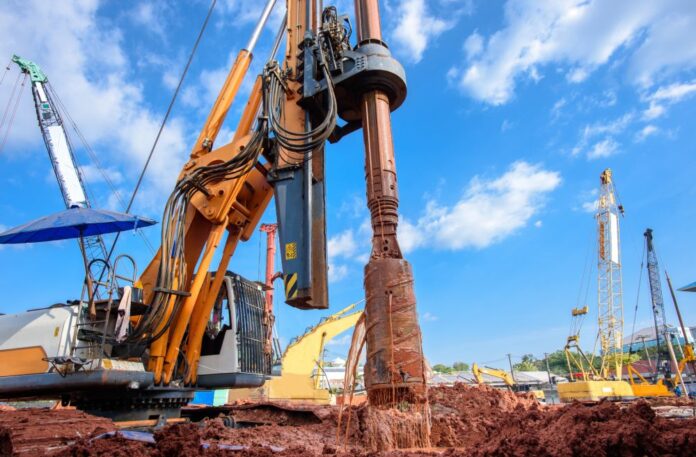
Deep foundation construction requires careful planning, specialized equipment, and precise execution to ensure structural stability. One of the most important pieces of equipment used in foundation engineering is the pile boring machine, which creates deep boreholes for reinforced concrete or steel piles. Proper site preparation and a well-structured operation process are essential for achieving accurate and safe results.
A modern pile boring machine is designed to handle a variety of soil conditions while maintaining drilling precision and efficiency. Understanding the operational workflow and preparation requirements can help construction teams improve productivity and reduce project risks.
Importance of Site Preparation
Before drilling begins, the construction site must be properly prepared. Site preparation helps ensure safe equipment operation, accurate borehole positioning, and smooth project execution.
Effective preparation can:
- Reduce operational delays
- Improve worker safety
- Prevent equipment instability
- Enhance drilling accuracy
- Minimize the risk of borehole collapse
Proper planning before drilling often determines the success of the entire foundation project.
Conducting a Site Survey
The first step in site preparation is a detailed site survey. Engineers and project managers assess ground conditions and identify potential challenges that may affect drilling operations.
The survey typically includes:
- Soil and geotechnical investigations
- Groundwater level assessment
- Utility and underground service identification
- Evaluation of site accessibility
- Determination of pile locations and depths
Accurate survey data helps select the appropriate drilling method and equipment configuration.
Preparing the Work Area
Once site conditions have been analyzed, the work area must be prepared to accommodate the drilling equipment.
Key preparation tasks include:
- Clearing debris and obstacles
- Leveling the ground surface
- Creating access routes for machinery
- Establishing safety barriers and signage
- Marking pile locations according to engineering plans
A properly prepared work area improves both efficiency and safety.
Equipment Inspection Before Operation
Before the pile boring machine is moved into position, a complete equipment inspection should be performed.
Operators should check:
- Hydraulic systems for leaks or damage
- Drilling tools for wear and tear
- Fuel, oil, and fluid levels
- Control systems and safety devices
- Structural components such as the mast and chassis
Routine inspections help identify issues before they impact operations.
Positioning the Pile Boring Machine
Accurate positioning is critical for successful foundation construction. The machine must be placed precisely over the marked pile location.
During positioning:
- The machine is aligned with survey markings
- Stabilizers or tracks are secured
- The mast is adjusted to a vertical position
- Alignment is verified using measurement tools
Correct positioning ensures that the borehole follows the intended design specifications.
Step-by-Step Operation Process
Once preparation is complete, the drilling process can begin.
Step 1: Lowering the Drilling Tool
The auger or drilling bucket is lowered to the ground surface. Operators ensure the tool is properly aligned before drilling starts.
Step 2: Initiating Drilling
The rotary head applies torque to the drilling tool, allowing it to penetrate the soil gradually. Downward pressure is carefully controlled to maintain stability.
Step 3: Soil Removal
As the drilling tool rotates, excavated soil is lifted and removed from the borehole. Continuous soil removal helps maintain drilling efficiency.
Step 4: Monitoring Borehole Conditions
Operators monitor drilling depth, soil conditions, and machine performance throughout the operation. Adjustments are made as necessary to accommodate changing ground conditions.
Step 5: Reaching the Required Depth
Drilling continues until the design depth is achieved. Measurements are taken to confirm compliance with project specifications.
Step 6: Borehole Cleaning
After drilling is completed, the borehole is cleaned to remove loose soil and debris. This step prepares the hole for reinforcement installation.
Reinforcement and Concreting Preparation
Once the borehole is complete, reinforcement cages can be placed inside. The borehole is then prepared for concrete placement according to engineering requirements.
This stage typically includes:
- Installing reinforcement cages
- Verifying borehole dimensions
- Checking vertical alignment
- Preparing concrete placement equipment
Proper preparation ensures a strong and durable foundation.
Safety Considerations During Operation
Safety must be maintained throughout the drilling process.
Important safety practices include:
- Restricting access to the drilling zone
- Using proper personal protective equipment
- Monitoring equipment stability continuously
- Following manufacturer operating guidelines
- Maintaining communication among site personnel
These measures help reduce risks and improve overall site safety.
Conclusion
The successful operation of a pile boring machine depends on thorough site preparation, careful equipment inspection, and a structured drilling process. Each stage, from site surveys to borehole completion, plays a vital role in ensuring foundation quality and construction efficiency.
By following established preparation and operational procedures, construction teams can achieve accurate, safe, and cost-effective deep foundation solutions for a wide range of infrastructure projects.

