
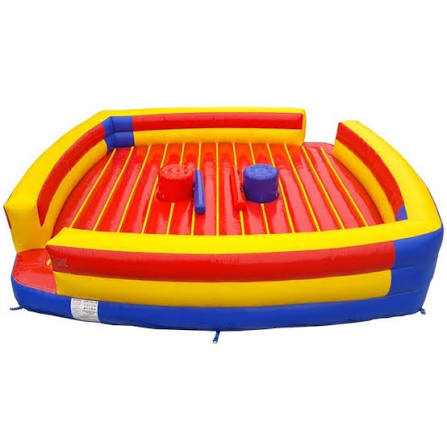

Inflatable games are popular attractions for birthday parties, school fairs, festivals, corporate events, and commercial rental businesses. They offer interactive entertainment, encourage friendly competition, and can help event organizers create memorable experiences. However, buying the right equipment requires careful financial planning, especially when deciding between a brand-new product and a used one.
When comparing Inflatable Games for Sale, buyers should look beyond the initial purchase price. Material condition, safety, maintenance costs, warranty coverage, expected usage, and long-term value all influence whether a new or used inflatable is the better investment. Understanding these differences can help you choose equipment that fits your budget and business goals.
Understanding New Inflatable Games
New inflatable games are purchased directly from a manufacturer, distributor, or authorized supplier. They have not been used by previous owners, so buyers can evaluate their specifications and condition before placing an order.
Depending on the supplier, new products may also offer customization options, manufacturer support, and warranty coverage. These benefits can be particularly useful for businesses that plan to use their equipment frequently or need specific designs for events.
Advantages of Buying New Inflatable Games
Better knowledge of product history
With a new inflatable, there is no previous usage history to investigate. Buyers can obtain product specifications and confirm how the equipment was manufactured, provided the supplier offers appropriate documentation.
Access to warranty coverage
Many new products come with a manufacturer’s warranty, although coverage and duration vary. A warranty may provide protection against certain manufacturing defects and help reduce uncertainty during the initial period of ownership.
More customization options
Some manufacturers allow buyers to select colors, graphics, themes, sizes, or branding elements. Customization can help rental companies and event businesses create a distinctive offering.
Access to current designs
New products may feature updated designs, improved layouts, or newer construction methods. Buyers can compare current models to find equipment that suits their intended audience and venue.
Potentially lower initial maintenance needs
A new inflatable has not experienced previous operational wear. Although regular inspections and maintenance are still necessary, it may have fewer immediate repair requirements than an older product with an uncertain history.
Disadvantages of Buying New Inflatable Games
The primary disadvantage is the higher initial cost. New equipment may require a larger upfront investment, especially when purchasing large obstacle courses, combination units, or customized attractions.
Buyers may also need to wait for manufacturing and delivery. Customized products can involve additional production time, while shipping costs and import duties may increase the total purchase price.
For beginners who are unsure how frequently they will use the equipment, purchasing an expensive new inflatable may create unnecessary financial pressure. It is therefore important to estimate demand and operating costs before committing to a purchase.
Understanding Used Inflatable Games
Used inflatable games are equipment that has previously been owned or operated. They may be available through rental companies, event businesses, dealers, or private sellers.
Buying used equipment can be an economical option, particularly for buyers who want to enter the entertainment rental market with a smaller budget. However, the condition of a used inflatable depends on its age, frequency of use, maintenance history, storage conditions, and previous operating environment.
A low price does not automatically make a used inflatable a good investment. Buyers need to inspect the equipment carefully and understand any potential repair or replacement costs.
Advantages of Buying Used Inflatable Games
Lower purchase price
Used inflatables generally cost less than comparable new products, although actual savings depend on the model, condition, age, and seller. The lower entry cost can help buyers preserve cash for transportation, marketing, storage, and other business expenses.
Potentially faster availability
Some used products are already available for collection or shipment. This can be useful when buyers need equipment quickly, provided the product can be inspected and delivered within the required timeframe.
An opportunity to test market demand
For a small rental business, used equipment may provide a way to evaluate customer interest before investing in more expensive products. Buyers should still ensure that the equipment is suitable for their intended use and meets applicable safety requirements.
Possibility of finding established models
A used product may have a familiar design that is easy to understand and operate. However, buyers should confirm that replacement parts, technical information, and maintenance support remain available.
Disadvantages of Buying Used Inflatable Games
The main concern is uncertainty about the equipment’s condition. Repeated inflation, deflation, transportation, exposure to weather, and improper storage can affect materials, seams, anchor points, and other components.
Used equipment may have limited or no remaining warranty coverage. Repair costs can also reduce the savings achieved through the lower purchase price.
Another concern is the availability of replacement parts. If the model is discontinued or the seller cannot provide technical documentation, repairs may become more difficult.
For these reasons, buyers should avoid purchasing used inflatable games based on photographs or seller assurances alone. An in-person inspection or assessment by a qualified professional can help identify problems before payment.
New vs. Used Inflatable Games: Key Differences
The following comparison highlights the main factors buyers should evaluate when choosing between new and used equipment.
| Factor | New Inflatable Games | Used Inflatable Games |
|---|---|---|
| Initial purchase cost | Generally higher | Generally lower |
| Equipment history | No previous use | Depends on seller records |
| Physical condition | New, subject to manufacturing quality | Varies with use and maintenance |
| Warranty | May include manufacturer coverage | May be limited, expired, or unavailable |
| Customization | Often more options | Usually limited to the existing design |
| Immediate repairs | May be less likely but still possible | More dependent on condition |
| Availability | May require production or shipping time | May be available immediately |
| Replacement parts | Depends on the manufacturer and model | Availability must be verified |
| Financial risk | Higher upfront commitment | Lower entry cost but potentially higher repair risk |
| Best suited for | Buyers seeking predictable condition and support | Buyers with a limited budget and inspection capability |
Neither option is automatically better for every buyer. The right decision depends on the product’s condition, purchase price, intended use, and total expected ownership cost.
Comparing the Total Cost of Ownership
One of the most important steps in choosing between new and used inflatable games is calculating the total cost of ownership. The purchase price is only one part of the investment.
Additional expenses may include:
- Shipping, delivery, and applicable taxes.
- Blowers, anchoring equipment, and other accessories.
- Transportation and storage.
- Routine cleaning and inspections.
- Repairs and replacement components.
- Insurance and permits where required.
- Staff training and supervision.
- Downtime when the equipment cannot be used.
A used inflatable may appear significantly cheaper, but substantial repairs could reduce or eliminate the initial savings. Similarly, a new product may cost more upfront but provide better value if it has suitable warranty coverage and lower repair needs during the expected ownership period.
A Simple Investment Example
Consider a hypothetical comparison between two similar inflatable games. The figures below are illustrative only and do not represent actual market prices.
| Expense | New Inflatable | Used Inflatable |
|---|---|---|
| Purchase price | $4,000 | $2,400 |
| Initial repairs | $0 | $500 |
| Accessories and delivery | $400 | $400 |
| First-year maintenance allowance | $200 | $400 |
| Estimated first-year total | $4,600 | $3,700 |
In this example, the used inflatable costs less during the first year. However, the difference is only $900 after accounting for the estimated expenses.
The actual outcome may change if the used product needs additional repairs, becomes unavailable during peak rental periods, or requires parts that are difficult to obtain. Buyers should use realistic quotations and inspection findings rather than relying on assumptions.
Which Option Is Better for a Rental Business?
For a commercial rental business, the best option depends on the company’s experience, available cash, expected demand, and ability to maintain equipment.
When Buying New Makes More Sense
New equipment may be preferable when a business needs reliable equipment for frequent bookings or wants to build a consistent product offering. It can also be useful when branding, customization, and supplier support are important.
Businesses that plan to operate the same attraction regularly should consider how equipment reliability affects their schedules and customer relationships. A product that is unavailable because of an unexpected repair may cause cancellations or additional operating expenses.
New equipment can be a sensible choice when the business has sufficient capital and expects enough demand to justify the investment.
When Buying Used Makes More Sense
Used equipment may suit a new rental operator who wants to start with a lower initial investment. It can also be attractive to experienced businesses seeking to expand their inventory at a reduced cost.
However, used equipment should only be purchased after a thorough condition assessment. The buyer should verify that the inflatable is appropriate for commercial operation, has no unresolved safety concerns, and can be maintained with available parts and technical guidance.
A lower purchase price is valuable only when the equipment remains suitable for its intended purpose.
What to Inspect Before Buying Used Inflatable Games
If you decide to purchase used equipment, inspection should be a priority. A careful review can help uncover problems that may not be visible in photographs.
1. Examine the Material and Seams
Look for tears, patches, thinning material, separation at seams, and other signs of wear. Pay particular attention to high-stress areas, including climbing sections, entrances, corners, and attachment points.
Ask about previous repairs and request documentation when available. Significant damage should be evaluated by a qualified repair professional before the product is used.
2. Check Anchoring Points and Restraints
Inspect anchor points, straps, and restraints for damage, deterioration, or missing components. These parts are essential to proper installation and must meet the manufacturer’s requirements.
Do not assume that replacement straps or improvised anchors are acceptable. Confirm which components are required and whether suitable replacements are available.
3. Test the Blower and Electrical Components
Check whether the blower is included and whether it matches the inflatable’s specifications. Inspect electrical components for visible damage and ask for relevant maintenance records.
Testing should be carried out safely and according to the manufacturer’s instructions. Any suspected electrical fault should be assessed by a qualified person before operation.
4. Review Maintenance and Usage History
Ask how often the inflatable was used, where it was operated, and how it was cleaned and stored. Find out whether it was exposed to severe weather or required significant repairs.
A well-documented maintenance history can help you evaluate the product, although records do not replace a physical inspection.
5. Confirm Documentation and Replacement Parts
Request the original operating manual, model information, installation instructions, and available safety documentation. Confirm that the supplier or manufacturer can provide compatible replacement components.
If the seller cannot establish the product’s intended use or provide essential operating information, consider choosing another model.
Safety Considerations for Both New and Used Equipment
Buying new does not eliminate safety risks, and buying used does not automatically mean the product is unsafe. The condition, design, installation, maintenance, and operation of the equipment all matter.
Before putting an inflatable into service, verify its intended use, participant limits, anchoring requirements, and applicable safety standards. Arrange inspections where required and ensure that operators understand the manufacturer’s instructions.
Outdoor equipment also needs to be operated within its permitted weather conditions. Strong winds, lightning, and other severe weather can make inflatable attractions unsafe, regardless of their age or purchase price.
For commercial and public events, check local regulations, insurance requirements, and inspection obligations before use. Equipment with unresolved damage or uncertain structural integrity should remain out of service until appropriately assessed and repaired.
How to Choose the Best Option for Your Budget
A practical purchasing decision starts with a clear understanding of your budget and business objectives.
First, determine how much you can spend without affecting essential operating expenses. Next, identify the type and size of inflatable you need, then compare new and used products with similar specifications.
Request written quotations that include accessories, delivery, warranty conditions, and any additional costs. For used equipment, include a realistic allowance for inspection and potential repairs.
You should also estimate how frequently the inflatable will be used. A product intended for occasional family gatherings may have different financial requirements from one used at multiple commercial events each week.
Finally, compare the expected service life and ongoing expenses rather than focusing only on the initial price. A clear cost comparison can help you decide whether the lower upfront cost of a used inflatable outweighs the advantages of purchasing new.
Conclusion
Choosing between new and used inflatable games depends on your budget, intended use, equipment requirements, and tolerance for financial risk. New products generally offer a clearer usage history, potential warranty coverage, and more opportunities for customization. Used products can reduce the initial investment but require careful inspection and a realistic assessment of repair and maintenance costs.
For first-time buyers, the most important step is to compare the complete ownership cost rather than the purchase price alone. Check material quality, safety documentation, supplier support, replacement-part availability, and operating requirements before making a commitment.
Whether you choose new or used equipment, prioritize safety, suitability, and long-term value. A well-researched purchase can help you manage costs and provide enjoyable experiences at parties, festivals, school events, and commercial gatherings.

