
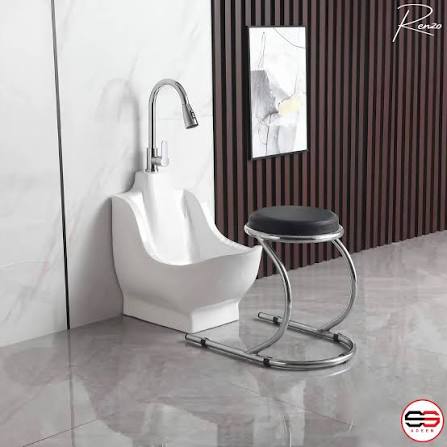

A well-designed bathroom wudu basin can make daily ablution more comfortable while helping maintain an organized, practical bathroom. Unlike a conventional washbasin intended mainly for handwashing and face cleaning, a wudu basin may need to accommodate several washing steps, including washing the feet. Its dimensions, height, drainage, and surrounding space therefore deserve careful consideration.
Choosing the right fixture begins with understanding your household’s needs and the layout of your bathroom. A suitable Bathroom Wudu Basin can combine functional features with a design that complements your home’s interior, whether you have a spacious bathroom or a compact washing area.
1. Understand Your Household’s Ablution Needs
Before choosing a basin, consider who will use it and how frequently it will be needed. A fixture suitable for one adult may not be as convenient for a household with children, older family members, or people with limited mobility.
Think about whether users will stand or sit while performing ablution, whether a dedicated foot-washing section is needed, and how much space is available for movement.
For a busy household, prioritize a durable basin that is easy to clean and comfortable to use repeatedly throughout the day. If the bathroom is shared by several family members, the design should accommodate different heights and washing preferences without creating congestion.
2. Select a Design That Fits Your Bathroom
Wudu basins come in several configurations, and the right choice depends on the room’s dimensions, plumbing arrangement, and overall style.
Wall-mounted basins
Wall-mounted models are useful when floor space is limited. They can create a clean, uncluttered appearance and make it easier to clean beneath the fixture.
Before installation, confirm that the wall can support the basin and that the mounting hardware is suitable. Plumbing connections should also remain accessible where necessary for maintenance.
Floor-standing basins
Floor-standing designs may suit larger bathrooms or dedicated ablution areas. They can provide a substantial appearance, but their footprint and surrounding clearance should be measured carefully.
Corner basins
A corner basin can make productive use of an otherwise underused area. This option may work well in small bathrooms, provided that the basin is positioned comfortably and does not obstruct the doorway or walking route.
Integrated foot-washing designs
Some wudu fixtures include a lower basin or a separate area designed for washing the feet. These features can make ablution more convenient but may require additional floor space and specialized plumbing.
Compare the available designs according to practical use rather than appearance alone.
3. Choose the Right Basin Size and Height
Size and height directly affect comfort. A basin that is too small may restrict movement, while an oversized fixture can make a compact bathroom feel crowded.
Measure the available width, depth, and height before purchasing. Include the space required for the faucet, mounting brackets, pipework, and any foot-washing section.
The installation height should suit the intended washing position. A standard bathroom basin may be convenient for handwashing but less suitable for a fixture that also needs to accommodate foot washing.
For households with children or older adults, consider whether additional features such as a suitable step arrangement, seating, or accessible controls would improve usability. Any step used near water should be stable and slip-resistant.
4. Select Durable and Easy-to-Clean Materials
The material affects the basin’s durability, appearance, cleaning routine, and long-term cost.
Ceramic
Ceramic is a common choice because its glazed surface is generally easy to clean. It works well in many residential bathrooms but can chip or crack if subjected to strong impacts.
Porcelain
Porcelain products can provide a smooth, refined finish and good resistance to moisture. Their performance depends on product quality and manufacturing, so review the specifications before purchasing.
Solid surface
Solid-surface basins offer flexibility in shape, size, and finish. Some products can also be refinished to address minor surface damage, although care and repair methods vary by formulation.
Natural stone
Natural stone can create a distinctive, premium appearance. However, some stone types require sealing and specialized cleaning products to prevent staining or surface damage.
For most homes, the best material is one that balances appearance, moisture resistance, ease of maintenance, and the available budget.
5. Pay Attention to Faucet Placement and Water Control
A practical wudu basin should provide convenient access to water without directing excessive splashing onto the surrounding surfaces.
The faucet should be positioned so that water flows into the basin and can be controlled comfortably. If several family members will use the fixture, choose controls that are easy to operate for different ages and abilities.
Lever handles may be easier to use than small, stiff knobs. Water-saving faucets or compatible flow regulators can also help reduce unnecessary consumption, provided that the water stream remains suitable for the intended washing activities.
If hot water is available, consider suitable temperature control to reduce the risk of scalding, particularly for children and people who may have difficulty responding quickly to hot water.
6. Plan Drainage and Protect the Bathroom Floor
Effective drainage is essential for a wudu basin because water may spill onto nearby surfaces, especially when washing the feet.
Check the basin’s drain outlet and confirm that it matches the available plumbing. If the outlet position differs from the existing connection, additional plumbing work may be required.
The basin should direct water toward its drain, while the surrounding floor should be suitable for wet conditions. Slip-resistant flooring can help reduce the risk of falls, and appropriate waterproofing protects nearby walls, joints, and cabinetry.
A floor drain may be helpful in a dedicated ablution area where water is likely to reach the floor, but it is not necessary for every installation. Its suitability depends on the layout, expected water flow, and applicable plumbing requirements.
If you are renovating an existing bathroom, have a qualified plumber check the water supply, drainage, and waterproofing requirements before installation.
7. Make the Most of a Small Bathroom
A compact bathroom can still accommodate a functional wudu basin with thoughtful space planning.
Wall-mounted and corner designs can preserve valuable floor area. A basin with a carefully shaped bowl may also provide useful washing space without requiring a large footprint.
To keep the room comfortable:
- Measure the space before choosing the fixture.
- Keep the doorway and walking route clear.
- Avoid placing cabinets too close to the washing area.
- Select wall finishes that are easy to clean.
- Position the faucet to minimize splashing.
- Keep essential plumbing components accessible for repairs.
Avoid choosing an extremely small basin simply to save space. If it makes foot washing uncomfortable or causes water to spill frequently, a slightly larger or differently shaped design may be more practical.
8. Consider Accessibility and Everyday Comfort
A bathroom wudu basin should suit the people who will use it regularly. Children may need a lower washing position, while older adults may benefit from seating or additional support.
If a seated washing arrangement is required, make sure there is sufficient space for the legs and feet and that the faucet remains within comfortable reach. Support rails, where needed, should be securely installed into suitable structural backing.
Also consider lighting and the condition of the floor. Clear visibility, stable footing, and unobstructed access can improve the experience for everyone.
Accessibility features should be planned alongside the basin rather than added as an afterthought. This helps ensure that the completed installation remains practical and safe.
9. Match the Basin to Your Interior Design
A wudu basin can complement a range of bathroom styles, from minimalist interiors to more traditional spaces.
For a modern bathroom, consider simple geometric shapes, neutral colors, and clean-lined faucets. Wall-mounted designs can create a more open appearance.
For a traditional interior, a basin with softer contours or a coordinated countertop may fit better. Natural stone or carefully selected surface finishes can add visual interest, provided that their maintenance needs are manageable.
Consistency is important. Match the basin with the surrounding tiles, countertop, fixtures, and storage without sacrificing practical features. The best design balances appearance with the requirements of regular ablution.
10. Set a Realistic Budget
The total cost of a wudu basin installation includes more than the purchase price. The material, size, mounting style, faucet, plumbing changes, and labor can all affect the final amount.
Before making a decision, account for:
- The basin and any included accessories.
- Faucet and drainage fittings.
- Delivery and handling.
- Installation labor.
- Plumbing modifications.
- Waterproofing and floor work.
- Additional accessibility features.
- Routine maintenance and future repairs.
Request itemized quotations if you are comparing different products or installers. This makes it easier to identify which features are included and whether extra components need to be purchased separately.
A higher-priced basin is not always the best choice. Focus on durability, suitability, warranty coverage, and maintenance costs to evaluate long-term value.
11. Common Mistakes to Avoid When Buying a Wudu Basin
Several common oversights can reduce the convenience of an otherwise attractive installation.
- Ignoring measurements: An unsuitable size can restrict movement or crowd the bathroom.
- Choosing the wrong height: A standard washbasin height may not suit every ablution arrangement.
- Overlooking drainage: Poor water management can create puddles and maintenance problems.
- Selecting materials without checking care requirements: Some finishes need specialized cleaning or periodic sealing.
- Forgetting installation costs: Plumbing modifications and waterproofing can increase the total budget.
- Ignoring user needs: Children and older adults may require different access arrangements.
- Prioritizing appearance over function: A visually appealing basin may still be inconvenient for daily use.
Reviewing the complete installation plan before ordering can help prevent these problems.
12. Final Checklist Before Purchasing
Use this checklist to compare your options:
- Does the basin fit the available bathroom space?
- Is the height suitable for the intended users?
- Is there enough room for comfortable washing and movement?
- Is the material durable and easy to maintain?
- Are the faucet and drain compatible with the plumbing?
- Will the design help control splashing?
- Is the surrounding floor suitable for wet conditions?
- Are accessibility features needed?
- Does the basin complement the bathroom’s style?
- Have delivery, installation, and maintenance costs been considered?
Confirm the manufacturer’s dimensions and installation instructions before placing the order. For complex installations, professional advice can help ensure that the basin, plumbing, and surrounding surfaces work together correctly.
Conclusion
Choosing the right bathroom wudu basin for your home requires a balance of comfort, design, durability, drainage, and cost. The ideal fixture should accommodate the household’s ablution needs while fitting the available space and remaining easy to clean.
By measuring carefully, comparing materials, checking plumbing compatibility, and considering accessibility, you can select a basin that supports daily use without unnecessary complications. Thoughtful planning helps create a practical, hygienic, and attractive ablution area that works well for your home over the long term.

