
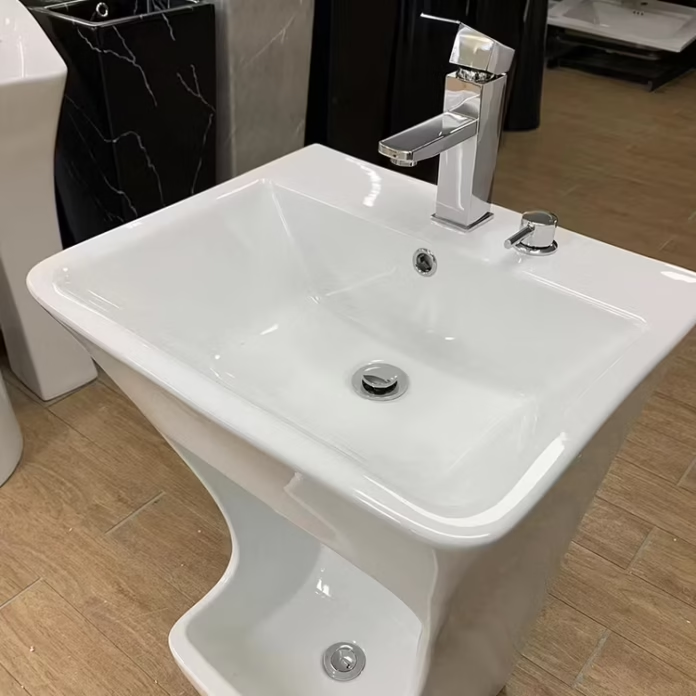

Choosing the right wudu sink is an important part of designing a functional ablution area. Whether you are renovating a home bathroom, building a prayer room, or upgrading a mosque, the sink should provide comfort, durability, and easy access to water. Two common options are wall-mounted and floor-standing designs, each offering different advantages depending on the available space and installation requirements.
Understanding the differences between these designs can help you make an informed decision. Factors such as floor space, structural support, cleaning requirements, accessibility, and installation costs should all be considered before selecting a suitable sink.
What Is a Wall-Mounted Wudu Sink?
A wall-mounted wudu sink is attached directly to a wall, leaving the floor beneath it open. This design is popular in modern bathrooms and compact ablution areas because it creates a clean, uncluttered appearance.
Wall-mounted models are available in various shapes and sizes, allowing homeowners and facility managers to select a design that fits their layout. Depending on the product, they may include integrated seating areas, ergonomic basin shapes, or specially positioned faucets to make washing more convenient.
Advantages of Wall-Mounted Wudu Sinks
One of the main benefits of a wall-mounted sink is its space-saving design. Without a pedestal or floor-standing base, the surrounding area can feel more open, which is particularly useful in smaller bathrooms.
Other advantages include:
- Easier floor cleaning: The open space beneath the sink allows cleaning tools to reach more of the floor.
- Flexible installation height: The sink can be positioned at a suitable height, provided the wall and mounting system support the installation.
- Modern appearance: Wall-mounted designs work well with minimalist and contemporary interiors.
- Improved space utilization: They can help create a more efficient layout in narrow bathrooms and dedicated ablution rooms.
When evaluating a Wudu Sink, consider whether a wall-mounted model suits your available space, plumbing arrangement, and preferred washing position.
Potential Disadvantages of Wall-Mounted Designs
Wall-mounted sinks require suitable structural support. The wall must be capable of carrying the fixture and the loads specified by the manufacturer. Reinforcement may be necessary, particularly when installing a large basin or a specialized ablution unit.
Installation can also be more complicated if the plumbing connections need to be concealed inside the wall. Repairs may require additional access work if pipes or fittings are difficult to reach.
For these reasons, it is important to confirm the wall structure, mounting hardware, and plumbing requirements before purchasing a wall-mounted model.
What Is a Floor-Standing Wudu Sink?
A floor-standing wudu sink rests on the floor and may be supported by a pedestal, base, cabinet, or integrated structure. It can be a suitable option for bathrooms and ablution facilities where a freestanding appearance or additional structural support is preferred.
Some floor-standing models have a traditional appearance, while others feature contemporary shapes and streamlined finishes. The right choice depends on the size of the room, the number of users, and the intended installation method.
Advantages of Floor-Standing Wudu Sinks
Floor-standing sinks can offer several practical benefits, particularly in spaces where wall reinforcement is difficult or where the design calls for a substantial fixture.
Their key advantages include:
- Support from the floor: The base can provide stability according to the manufacturer’s design and installation instructions.
- Flexible placement: Certain freestanding models can be installed without relying entirely on a reinforced wall, although plumbing access is still required.
- Variety of designs: Options range from traditional pedestal styles to larger, purpose-built ablution stations.
- Potentially straightforward installation: Some models can be easier to install when suitable floor-level plumbing is already available.
For larger residential bathrooms or dedicated washing rooms, a floor-standing model may provide a practical balance between appearance and functionality.
Potential Disadvantages of Floor-Standing Designs
The main drawback is the amount of floor space occupied by the base or pedestal. In compact bathrooms, this can make the area feel crowded and limit movement around the sink.
Cleaning may also require more effort because dirt and moisture can accumulate around the base. Depending on the model, the pedestal or cabinet may restrict access to plumbing components, making certain repairs more difficult.
It is therefore important to examine the shape and footprint of the entire fixture rather than considering only the size of the basin.
Wall-Mounted vs. Floor-Standing Wudu Sinks: Key Differences
The following comparison highlights the main considerations when choosing between the two designs.
| Feature | Wall-Mounted Sink | Floor-Standing Sink |
|---|---|---|
| Space requirements | Often better for compact areas | Usually occupies more floor space |
| Structural support | Requires a suitable wall and mounting system | Supported by its base and installation structure |
| Floor cleaning | Generally easier beneath the fixture | May require additional cleaning around the base |
| Installation | May require wall reinforcement | Depends on the base design and plumbing arrangement |
| Appearance | Open, modern, and minimalist | Traditional or contemporary, depending on the model |
| Accessibility | Height can often be customized within design limits | Depends on the fixture’s fixed dimensions |
| Plumbing access | May be concealed behind the wall | May be accessible near the base, depending on the model |
| Best suited for | Compact bathrooms and modern ablution areas | Larger spaces and installations favoring a floor-supported fixture |
Neither design is universally better. The most suitable option depends on the physical space, the intended users, and the cost and complexity of installation.
Which Wudu Sink Is Better for a Home?
For most compact residential bathrooms, a wall-mounted sink is worth considering because it helps preserve floor space and simplifies cleaning. It can be especially useful in apartments, small prayer rooms, and bathrooms where every available inch matters.
However, homeowners should check the wall construction before choosing this design. If the wall cannot support the fixture without significant modifications, a floor-standing option may be more practical.
In larger homes, the decision can focus more on comfort and appearance. A floor-standing sink may complement a traditional interior, while a wall-mounted design may suit a contemporary bathroom. The basin’s dimensions, faucet position, and washing height should remain the primary functional considerations.
Which Wudu Sink Is Better for a Mosque?
Mosques often experience high levels of use before and after prayer times. As a result, the selection process should consider durability, accessibility, cleaning efficiency, and the movement of worshippers through the ablution area.
Wall-mounted sinks may be beneficial where space is limited and frequent floor cleaning is necessary. However, the mounting system must be engineered for the specific fixture and expected use.
Floor-standing sinks can also be appropriate for mosque installations, especially when their base design provides the required support. Their footprint should be evaluated carefully to avoid creating narrow passageways or obstructing other users.
For larger facilities, purpose-built multi-user ablution stations may offer a more efficient solution than installing individual residential-style sinks. The final layout should provide sufficient space between users, reliable drainage, slip-resistant flooring, and accessible washing positions.
Installation and Maintenance Considerations
Before selecting either type, measure the available space and identify the existing water supply and drainage connections. Check whether the plumbing can be connected without extensive modifications and ensure there is enough room for users to approach the sink comfortably.
For wall-mounted installations, verify the wall material, fixing points, and required reinforcement. For floor-standing models, confirm that the floor is level and can support the fixture as specified by the manufacturer.
Maintenance requirements should also influence the decision. Choose a surface that tolerates regular cleaning and is compatible with the cleaning products you intend to use. Inspect faucets, drains, seals, and connections periodically to identify leaks or blockages before they become serious problems.
In public facilities, easy access to plumbing components can reduce downtime and simplify repairs. A well-planned installation is often just as important as the sink itself.
How to Make the Final Decision
Before buying a wudu sink, consider these practical questions:
- How much floor and wall space is available?
- Can the wall support a wall-mounted fixture safely?
- How many people will use the sink each day?
- Which design will be easiest to clean and maintain?
- Are the water supply and drainage connections suitable?
- Will the sink accommodate users with different mobility needs?
- What are the total installation and long-term maintenance costs?
Comparing these factors will help you avoid choosing a sink based solely on its appearance or initial price.
Conclusion
Wall-mounted and floor-standing wudu sinks can both provide effective solutions for residential and communal ablution areas. Wall-mounted models are often preferable when space efficiency, an open appearance, and easy floor cleaning are priorities. Floor-standing designs may be more suitable when the installation favors a floor-supported fixture or when their style better matches the surrounding interior.
For homes, the decision usually depends on bathroom size, structural support, and personal preferences. For mosques, durability, user capacity, accessibility, and maintenance deserve additional attention. By comparing these requirements carefully, you can select a wudu sink that offers reliable performance and supports a comfortable ablution experience over the long term.

