
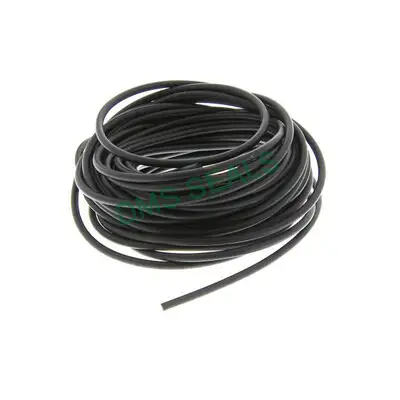

Equipment performance depends on many factors, including component quality, proper installation, regular maintenance, and suitable operating conditions. Among the small but essential parts used in industrial machinery, O-rings play a significant role in maintaining effective seals and preventing unwanted leakage. Although they may appear simple, their quality and suitability can directly influence equipment efficiency and operational reliability.
Choosing the right O-Ring Supplier is therefore an important decision for businesses that depend on machinery and fluid-handling systems. A reliable supplier can help ensure access to appropriate materials, accurate dimensions, and consistent product quality. These factors contribute to better sealing performance, reduced maintenance requirements, and improved equipment operation.
1. Ensuring Consistent Product Quality
O-ring quality has a direct impact on the effectiveness of a sealing system. Products with inconsistent dimensions, poor material composition, or manufacturing defects may fail to maintain proper contact between sealing surfaces.
A dependable supplier should follow appropriate quality control procedures to ensure that products meet specified requirements. Consistent manufacturing quality helps reduce the possibility of leakage, premature wear, and unexpected component failure.
When O-rings perform as expected, equipment can operate more reliably with fewer interruptions caused by sealing problems.
2. Providing Suitable Materials for Different Operating Conditions
Not every O-ring material is suitable for every industrial application. Machinery may operate under high temperatures, changing pressures, chemical exposure, or continuous contact with oils and other fluids.
A knowledgeable supplier can help businesses identify materials that match their specific operating environments.
Some commonly used materials include:
- Nitrile (NBR): Suitable for many applications involving oils, fuels, and hydraulic fluids.
- Fluorocarbon (FKM): Commonly used in higher-temperature environments and applications involving many chemicals.
- EPDM: Offers resistance to water, steam, ozone, and weathering.
- Silicone: Provides flexibility across a broad temperature range.
- Neoprene: Offers useful resistance to weathering and certain oils and chemicals.
Selecting an appropriate material helps prevent swelling, cracking, hardening, and other forms of deterioration that can affect sealing performance.
3. Improving Equipment Efficiency Through Proper Sealing
Leakage can reduce the efficiency of equipment by allowing fluids or gases to escape from a system. In hydraulic machinery, for example, damaged or unsuitable seals may contribute to pressure loss and reduced operating effectiveness.
Properly selected O-rings help maintain system integrity by creating an effective barrier between connected components.
A supplier that provides accurate product specifications and suitable sealing options can help businesses select components that support efficient equipment operation.
4. Reducing Maintenance and Replacement Costs
Frequent O-ring replacement can increase maintenance expenses and require additional labor. In some cases, seal failure may also cause damage to surrounding components or lead to extended equipment downtime.
Working with a supplier that maintains consistent product standards can help reduce these risks.
High-quality O-rings that are appropriate for their intended applications generally offer more dependable service. This allows maintenance teams to manage replacement schedules more effectively and reduce unnecessary interruptions.
However, service life also depends on installation quality, operating conditions, lubrication, and regular inspection.
5. Supporting Accurate Product Selection
Choosing an O-ring involves more than identifying its inside diameter. Factors such as cross-sectional thickness, material hardness, pressure, temperature, and groove design also influence performance.
An experienced supplier can provide useful technical information to help buyers understand these requirements.
This guidance is particularly valuable for businesses operating specialized machinery or equipment with demanding sealing conditions.
Accurate product selection helps prevent common problems such as excessive compression, insufficient sealing contact, and premature material failure.
6. Maintaining Reliable Supply and Reducing Downtime
Equipment maintenance often requires replacement components at specific times. If suitable O-rings are unavailable, maintenance work may be delayed, affecting production schedules and operational productivity.
A reliable supplier should maintain effective inventory management and provide realistic delivery timelines.
Businesses should also consider whether a supplier can support recurring orders, larger quantities, and changing procurement requirements.
Consistent product availability helps maintenance teams plan ahead and reduces the likelihood of delays caused by sourcing difficulties.
7. Offering Customization for Specialized Equipment
Some industrial systems require O-rings with non-standard dimensions, specific material properties, or specialized performance characteristics.
Standard products may not always provide the correct fit or sealing performance for these applications.
A supplier with customization capabilities can help businesses source components according to their technical requirements. This may include custom dimensions, particular material formulations, or specific hardness levels.
Customized sealing solutions can improve compatibility with equipment designs and help address application-specific challenges.
8. Providing Technical Support and Application Knowledge
Technical support is another important way a supplier can contribute to equipment performance.
Businesses may need assistance understanding material compatibility, temperature limitations, pressure requirements, or differences between static and dynamic sealing arrangements.
A supplier with relevant industry knowledge can help clarify these considerations and provide product information that supports better purchasing decisions.
This type of communication can reduce selection errors and help businesses identify potential sealing problems before they affect equipment operation.
9. Supporting Long-Term Equipment Reliability
Equipment reliability depends on the performance of individual components and how effectively they work together. O-rings may be small, but their failure can affect larger mechanical systems.
Maintaining a relationship with a dependable supplier can make it easier to source consistent products and manage ongoing maintenance requirements.
Businesses should periodically evaluate supplier performance based on product quality, delivery consistency, technical assistance, and responsiveness to changing needs.
A well-managed supplier relationship supports more predictable procurement and helps maintain consistent equipment standards.
Tips for Choosing an O-Ring Supplier
Before establishing a long-term business relationship, consider the following points:
- Review the supplier’s product range and available materials.
- Check manufacturing quality standards and inspection procedures.
- Confirm dimensional accuracy and product specifications.
- Ask about technical support and application guidance.
- Evaluate delivery schedules and inventory availability.
- Compare pricing while considering product durability.
- Review customer feedback and relevant industry experience.
These checks can help businesses identify suppliers capable of supporting their equipment requirements.
Conclusion
The right O-ring supplier can contribute significantly to equipment performance by providing consistent product quality, suitable materials, accurate specifications, and dependable supply services. These factors help maintain effective sealing, reduce leakage risks, and support more reliable machinery operation.
For businesses that rely on industrial equipment, supplier selection should be treated as an important part of maintenance and procurement planning. Focusing on technical suitability and long-term product consistency rather than price alone can help reduce operational disruptions and improve overall equipment efficiency.

