
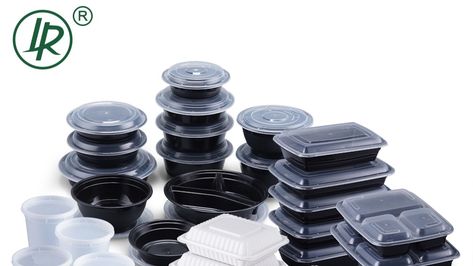

Food containers play an important role in protecting products during preparation, storage, transportation, and serving. Whether they are used in restaurants, catering operations, food production, or takeaway services, consistent container quality can have a direct impact on everyday packaging performance.
When evaluating a PP Food Container, businesses should look beyond basic appearance and price. LRpacking is one option businesses can consider when reviewing PP packaging according to material specifications, dimensions, closure design, and intended food application.
Material Quality
The type and quality of plastic used in a container are fundamental considerations. Polypropylene is widely used for food packaging because it offers a useful combination of strength, light weight, and practical heat resistance.
When comparing products, review the available material information and make sure the container is intended for the type of food contact required. Clear product specifications can make it easier to compare different options.
Structural Strength
A food container should be strong enough for its intended application. Containers may be filled, stacked, transported, refrigerated, or handled repeatedly before reaching the end customer.
Pay attention to wall construction, base strength, and overall rigidity. The appropriate level of strength depends on the food’s weight and the conditions under which the container will be used.
Lid Fit and Closure Performance
A container’s lid is just as important as its base. An improperly fitted lid can increase the risk of spills and make transportation less convenient.
Check whether the lid is specifically matched to the container and whether it closes consistently. For takeaway and delivery applications, reliable closure can be especially important.
Temperature Suitability
Different foods may be stored or served at different temperatures. Hot meals require packaging with appropriate heat-handling characteristics, while refrigerated foods require containers suitable for cold storage.
Before purchasing, check the manufacturer’s temperature guidance and intended application. Avoid assuming that every PP container is automatically suitable for every heating, cooling, or reheating method.
Dimensional Consistency
Consistent dimensions are particularly important for businesses purchasing containers in bulk. Small variations in size can affect lid compatibility, stacking, storage, and automated or semi-automated packaging processes.
Reliable specifications can help businesses maintain a smoother workflow and reduce problems caused by mismatched components.
Seal and Leak Resistance
Foods containing sauces, oils, dressings, or other liquids require careful consideration of sealing performance. A container may be structurally strong but still unsuitable if the lid does not provide sufficient protection against leakage.
Testing containers with representative foods can help businesses determine whether the closure system performs adequately under normal transportation and handling conditions.
Stackability
Efficient storage can make a noticeable difference in busy commercial kitchens and food production environments. Containers that stack securely can help reduce the space required for packaging inventory.
Stackable designs can also simplify transportation and organization. When comparing options, consider how both empty containers and filled containers behave when stacked.
Surface and Finish
The container’s surface should be suitable for its intended use and easy to handle. Smooth, consistent surfaces can support practical cleaning and labeling requirements where applicable.
For retail or takeaway products, appearance may also influence how neatly the final package looks. However, visual quality should be considered alongside functional characteristics rather than used as the only selection criterion.
Manufacturing and Quality Control
Product quality is influenced not only by the material but also by the manufacturing process. Businesses purchasing large quantities should consider whether the supplier maintains consistent production standards.
Useful information may include:
- Material specifications
- Product dimensions
- Manufacturing tolerances
- Quality inspection procedures
- Packaging and storage methods
- Available sample testing
These details can help buyers make more informed comparisons between different container options.
Match Quality With the Intended Application
The definition of “quality” can vary depending on how a container will be used. A small container for a cold side dish has different requirements from a large container used for hot takeaway meals.
Before placing an order, identify the most important performance requirements for the specific application. This can prevent businesses from paying for features they do not need while ensuring essential characteristics are not overlooked.
Final Thoughts
Choosing a high-quality PP food container involves evaluating several factors together. Material suitability, structural strength, lid performance, temperature resistance, dimensional consistency, leak protection, and stackability can all affect everyday packaging results.
Taking time to review these characteristics and test samples where possible can help restaurants, caterers, retailers, and food manufacturers select containers that fit their operational requirements and provide consistent performance.

