
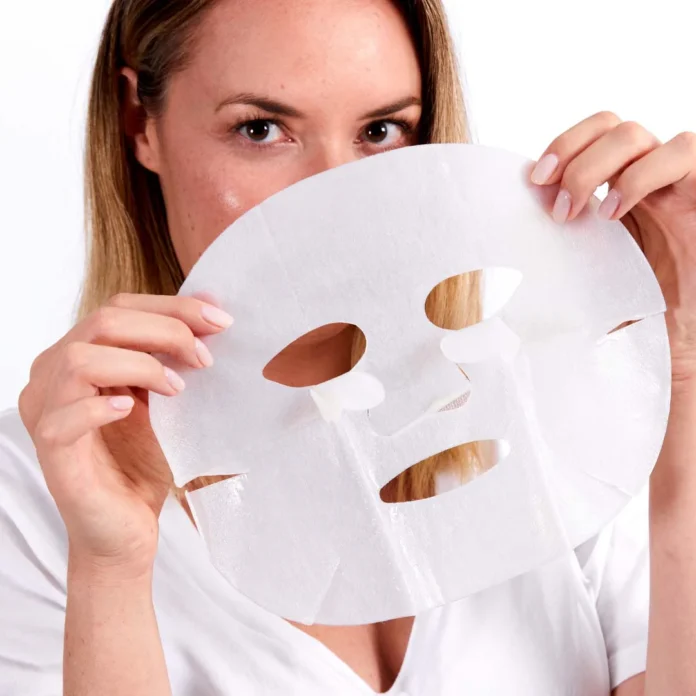

Facial mask production is a detailed process that combines cosmetic science, precision engineering, and strict quality control. Each stage plays a vital role in ensuring the final product is safe, effective, and consistent. For skincare brands, understanding this process helps in choosing the right manufacturing partner and building better product strategies.
Working with an experienced facial mask manufacturer ensures that every step—from formulation to packaging—is handled professionally and in line with international cosmetic standards.
Step 1: Product Concept and Planning
The manufacturing process begins with a clear product concept. Brands define what type of facial mask they want to create and what skincare benefits it should deliver.
Key considerations include:
- Target skin concerns (hydration, brightening, anti-aging, etc.)
- Product format (sheet mask, gel mask, cream mask)
- Target audience
- Market positioning
- Pricing strategy
A well-defined concept guides all later development stages.
Step 2: Research and Formula Development
Manufacturers conduct research to develop a formula that meets both consumer needs and industry trends.
During this stage, they evaluate:
- Popular active ingredients
- Skin compatibility
- Product stability
- Ingredient safety
- Performance effectiveness
Common ingredients include hyaluronic acid, niacinamide, peptides, vitamin C, and botanical extracts.
Step 3: Ingredient Selection and Verification
High-quality ingredients are essential for effective facial masks. Manufacturers carefully source and verify raw materials before production.
This process includes checking:
- Ingredient purity
- Supplier certifications
- Regulatory compliance
- Stability and shelf life
- Safety documentation
Proper ingredient selection ensures consistent product performance.
Step 4: Sheet Material Selection
For sheet masks, the material plays a major role in product performance and user experience.
Common materials include:
- Cotton
- Bio-cellulose
- Hydrogel
- Bamboo fiber
- Lyocell
Manufacturers choose materials based on absorption, comfort, and serum compatibility.
Step 5: Formula Mixing and Preparation
Once ingredients are approved, the formulation is carefully mixed under controlled conditions.
This stage ensures:
- Accurate ingredient ratios
- Stable emulsification
- Proper texture and viscosity
- Even ingredient distribution
Precision is essential to maintain product quality and effectiveness.
Step 6: Mask Production and Assembly
After preparation, the actual mask production begins using specialized equipment.
The process typically includes:
- Cutting sheet materials into shape
- Soaking sheets with the serum formula
- Folding and assembling masks
- Sealing individual packaging
- Labeling and coding products
Automation helps ensure consistency across large production volumes.
Step 7: Quality Control Testing
Quality assurance is performed throughout the manufacturing process to ensure product safety and consistency.
Common tests include:
- Microbiological testing
- pH level testing
- Stability testing
- Appearance inspection
- Serum consistency checks
Only products that pass all tests proceed to packaging and distribution.
Step 8: Packaging and Branding
Packaging protects the product while also reflecting the brand identity.
Manufacturers typically provide:
- Custom packaging design
- Private label printing
- Batch and expiry coding
- Sealing and filling services
- Material selection guidance
Good packaging enhances both safety and market appeal.
Step 9: Regulatory Compliance
Facial masks must meet cosmetic regulations in all target markets. Manufacturers help ensure compliance through proper documentation and testing.
This includes:
- Ingredient safety reports
- Label compliance
- Manufacturing records
- Certification documentation
- Regulatory approvals
Compliance ensures smooth market entry and consumer trust.
Step 10: Storage and Distribution
Once production is complete, products are stored and prepared for shipment under controlled conditions.
This stage includes:
- Inventory management
- Warehouse storage
- Order preparation
- Shipping coordination
- Logistics tracking
Proper handling ensures products remain in excellent condition until delivery.
Conclusion
The facial mask manufacturing process involves multiple carefully controlled steps, from concept development and formulation to production, quality testing, packaging, and distribution. Each stage plays a critical role in ensuring product safety, consistency, and effectiveness.
By partnering with a reliable facial mask manufacturer, skincare brands can confidently bring high-quality products to market while maintaining strong production standards and long-term business growth.

