
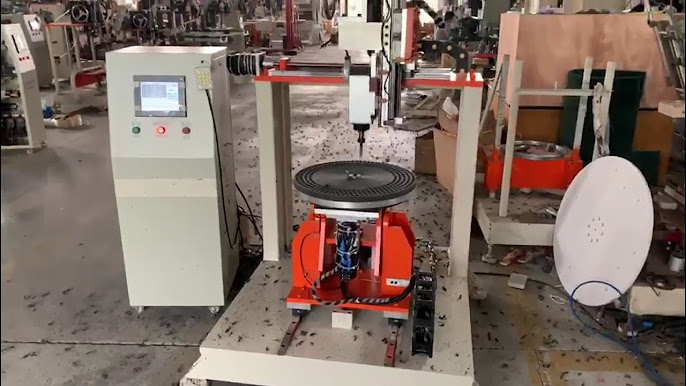

Choosing the right disc brush is important for achieving consistent cleaning, polishing, deburring, or surface treatment results. Industrial disc brushes are available in different sizes, filament materials, densities, and configurations, so the correct choice depends on the specific application.
For manufacturers exploring Industrial Disc Brush Machines For Sale, understanding disc brush selection can also help determine which production capabilities are required. A well-matched brush can improve process efficiency while reducing unnecessary wear and material waste.
Identify the Application
Start by defining what the disc brush needs to accomplish. Common applications include cleaning, polishing, deburring, surface preparation, material handling, and finishing.
The type of task determines the level of contact and abrasion required. A brush intended for delicate cleaning will have different characteristics from one designed to remove burrs from metal components.
Consider the Surface Material
The material being treated is one of the most important selection factors. Metal, wood, glass, ceramic, plastic, and other surfaces can respond differently to brush contact.
For delicate surfaces, softer filaments may help minimize scratching or unwanted surface marks. More durable or abrasive filaments may be appropriate when stronger cleaning or material removal is required.
Choose the Right Filament Material
Disc brushes can be manufactured using several types of filament. Common choices include nylon, polypropylene, abrasive filaments, and wire.
Each material provides different characteristics in terms of flexibility, durability, abrasion resistance, and cleaning performance. Select a filament based on the surface, contamination, operating conditions, and desired result.
Determine the Required Brush Diameter
Brush diameter affects the working area and how the brush interacts with the product. Larger brushes may cover a wider area, while smaller brushes can provide more targeted contact.
Measure the available space in the equipment and determine the diameter needed for the application. If the brush will be installed in existing machinery, make sure its dimensions are compatible with the available mounting system.
Evaluate Bristle Density
Bristle density influences contact, flexibility, and material removal. A dense brush can provide greater surface contact, while a less dense configuration may offer more flexibility and space for debris to move through the bristles.
The ideal density depends on the application and the material being processed. Manufacturers should consider both cleaning effectiveness and the potential effect of excessive brush contact.
Consider Brush Stiffness
Filament stiffness determines how aggressively the brush interacts with the surface. Softer bristles can conform more easily to irregular surfaces, while stiffer bristles can provide stronger cleaning or scrubbing action.
Using excessive stiffness on a sensitive surface may cause damage, while insufficient stiffness may produce poor cleaning results. Selecting the appropriate balance is therefore essential.
Check Operating Speed
The speed at which the disc brush rotates can affect its performance. Higher speeds may increase cleaning or finishing intensity, but they can also increase heat, wear, or surface contact.
Consider the operating speed of the equipment in which the brush will be installed. The brush should be suitable for the machine’s rotation requirements and operating conditions.
Consider the Working Environment
Environmental conditions can influence brush selection. Factors such as moisture, temperature, chemicals, dust, and continuous operation may affect filament durability.
If the brush will operate in a demanding environment, select materials designed to withstand those conditions. This can help extend brush life and maintain consistent performance.
Match the Brush to the Machine
The disc brush must be compatible with the equipment in which it will operate. Check dimensions, mounting requirements, rotation direction, speed, and available clearance before selecting a brush.
For manufacturers producing their own disc brushes, the machine used to manufacture them should also provide the necessary control over diameter, bristle density, and filament placement.
Consider Maintenance and Service Life
A suitable disc brush should provide a reasonable service life for the application. Monitor bristle wear and replace the brush when performance begins to decline.
Regular inspection can also help identify whether the brush is wearing evenly. Uneven wear may indicate incorrect positioning, excessive pressure, unsuitable stiffness, or another equipment-related issue.
Balance Performance and Cost
The least expensive brush may not always provide the best value. A brush that wears quickly or fails to deliver the required results can increase replacement and downtime costs.
Instead, consider the total operating value of the brush. A suitable combination of durability, performance, and service life can be more economical over time.
Final Thoughts
Selecting the right disc brush requires consideration of the application, surface material, filament type, diameter, density, stiffness, operating speed, and working environment. Each factor can influence cleaning effectiveness, surface quality, and brush service life.
Manufacturers should evaluate these requirements before choosing a brush or investing in production equipment. By matching the disc brush to both the application and the machine, businesses can achieve more consistent results and make better use of their manufacturing resources.

