
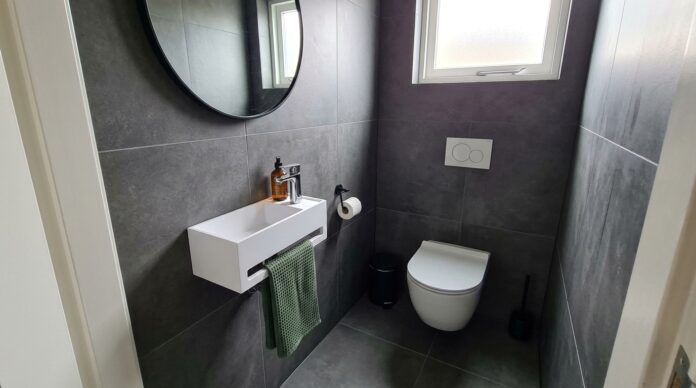

Choosing a wash basin for a home involves practical questions that are easy to overlook when attention is focused on appearance. The fixture must fit its intended location, provide enough room for handwashing, and connect correctly to the water supply and drainage. It should also suit the people who will use it and the amount of maintenance the household is prepared to undertake. A structured selection process makes it easier to compare products and avoid an unsuitable purchase.
When looking for a small wash basin, begin with the room’s measurements and intended function. A basin for a compact ensuite may need a different configuration from one in a family bathroom or guest washroom. By identifying the main requirements first, homeowners can narrow the choices according to size, mounting style, material, and budget.
Identify where the basin will be used
Consider the room and the frequency of use. A main bathroom basin may be used for handwashing, grooming, and other daily routines, so bowl capacity and surrounding surface space are important. A guest bathroom may need a simpler arrangement, while an ensuite may require a compact design that preserves access to the shower and toilet.
Think about the number and age range of users. A fixture that is comfortable for one adult may not be convenient for children or people with limited mobility. Where accessibility is a concern, consult relevant guidance before setting the basin height and clearances.
Measure before comparing products
Record the available width, projection, and height of the proposed installation area. Include the distance to nearby fixtures, the movement of doors and drawers, and the space needed to stand in front of the bowl.
Compare the measurements with the manufacturer’s technical drawing. Product photographs can make basins appear smaller or larger than they are, so use the stated dimensions when planning. Remember to include the tap and any supporting vanity in the total footprint.
Choose a mounting configuration
Wall-mounted models can help preserve visible floor space and create an open appearance. Countertop basins may offer more design flexibility but require a stable surface and suitable plumbing access. Pedestal models can conceal pipework, while vanity combinations add storage.
The best mounting method depends on the room and its construction. A wall-mounted basin may need reinforcement, while a countertop installation requires an accurately prepared opening. Check the fixing method and support requirements before making a final decision.
Compare materials and finishes
Material affects appearance, cleaning, and long-term care. Ceramic and glazed vitreous china are common choices for residential bathrooms because they have smooth surfaces and familiar maintenance routines. Solid-surface options may provide different shapes and integrated designs.
Ask the supplier about surface care, resistance to common bathroom products, and repair options. Inspect the finish for visible defects and check whether the manufacturer recommends particular cleaning methods. A finish that matches the home’s style but is difficult to maintain may not be the most suitable option.
Check tap and waste compatibility
The basin’s tap-hole arrangement determines which fittings can be installed. Confirm whether it has a single hole, multiple holes, or no tap opening. The tap’s spout reach and height should be appropriate for the bowl, allowing water to flow into the basin without excessive splashing.
Check the waste outlet and overflow arrangement as well. The trap must fit within the available space and connect to the existing drainage. If pipework needs to be altered, include that work in the project budget.
Consider storage and cleaning
A compact vanity can provide useful storage, but it should not make the bathroom feel crowded. Alternatively, a wall-mounted basin can be paired with a mirrored cabinet or a small shelf. Choose storage based on what the household genuinely needs.
For easier cleaning, look for accessible fittings and smooth surfaces. Consider the area behind the tap, the waste opening, and the joints where the basin meets the wall or counter.
Review the supplier’s information
Before ordering, check the product dimensions, installation instructions, material details, care guidance, and warranty terms. Confirm which fittings are included and ask about delivery packaging and damage procedures. For a multi-bathroom project, check product availability and consistency between units.
Choose for the household, not just the showroom
The best basin is one that fits the room, supports normal routines, and can be maintained without difficulty. Careful measurement and a review of materials, fittings, and installation requirements help homeowners select a fixture that provides lasting practical value.

