
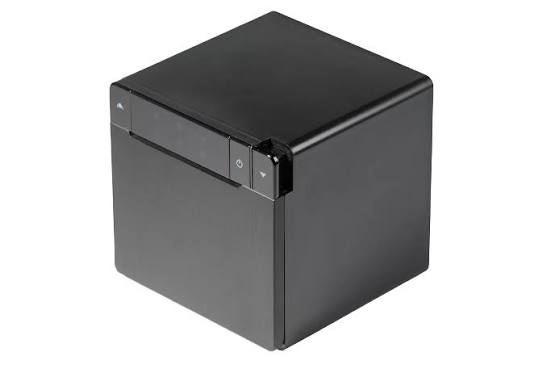

Receipt printers are widely used in retail stores, restaurants, supermarkets, pharmacies, and other businesses that process daily transactions. These devices must deliver clear printing, consistent paper feeding, reliable connectivity, and dependable operation to support smooth point-of-sale (POS) activities. Even minor manufacturing defects can lead to printing errors, equipment downtime, and additional maintenance expenses.
Quality control plays a central role in preventing these problems. It ensures that materials, electronic components, mechanical assemblies, and finished products meet established performance requirements. A professional Receipt Printer Manufacturer relies on structured inspection and testing procedures to maintain product consistency, reduce defects, and deliver equipment suited to everyday commercial use.
1. Ensuring Consistent Product Performance
Consistency is one of the primary objectives of quality control. Businesses purchasing receipt printers expect each unit to perform according to its advertised specifications, regardless of when or where it was manufactured.
Without effective inspection procedures, products from different production batches may have variations in printing quality, paper handling, connection stability, or mechanical performance.
Manufacturers use standardized production instructions and inspection criteria to minimize these differences. Regular testing also helps identify process variations before they affect a large number of products.
Consistent performance is particularly important for distributors and businesses purchasing equipment in bulk, as they need predictable results across multiple locations.
2. Inspecting Raw Materials and Components
<AsyncImage query=”electronics manufacturing quality inspection technician checking printed circuit board components” aspectRatio=”16:9″ maxHeight={190}/>
The quality of a finished receipt printer depends heavily on the materials and components used during production. Defective or unsuitable parts can cause problems even when the overall product design is well developed.
Incoming quality control helps manufacturers identify these issues before components enter the assembly process.
Common inspection areas include:
- Thermal printheads: Checking specifications, surface condition, and electrical performance.
- Control boards: Examining component placement, soldering, and circuit connections.
- Platen rollers: Checking dimensions, surface quality, and mechanical consistency.
- Automatic cutters: Inspecting blade alignment and operating mechanisms.
- Power components: Verifying electrical characteristics and compatibility.
- Enclosure materials: Checking dimensions, strength, and surface finish.
Careful component inspection reduces the likelihood of defective materials affecting the final product.
3. Maintaining Printing Quality and Clarity
The main purpose of a receipt printer is to produce readable transaction records. Poor print quality can make prices, product descriptions, tax information, and payment details difficult to understand.
Quality-control teams therefore evaluate the printer’s ability to produce consistent text and graphics under specified operating conditions.
For thermal printers, testing may focus on printhead performance, heat distribution, paper compatibility, and printing alignment.
Inspectors may print sample receipts containing different text sizes, symbols, logos, and barcodes where supported. These samples help identify faded output, uneven density, missing characters, or alignment problems.
Maintaining clear printing standards improves the usability of receipts and reduces customer-facing issues.
4. Testing Printing Speed and Operational Efficiency
Printing speed can influence checkout performance, especially in businesses that process large transaction volumes. A printer that operates more slowly than expected may contribute to delays during busy periods.
Manufacturers should test whether completed devices meet their specified printing speeds while maintaining acceptable output quality.
Performance evaluations may include repeated printing tasks, different receipt formats, and continuous operation over defined periods.
Testing should also consider paper-feeding accuracy and the time required to complete printing and cutting operations. These factors provide a more complete understanding of the device’s performance than speed specifications alone.
5. Evaluating Mechanical Reliability
<AsyncImage query=”thermal receipt printer paper feeding roller cutter mechanism mechanical assembly inspection” aspectRatio=”16:9″ maxHeight={190}/>
Receipt printers contain moving components that must work together accurately. Paper-feeding rollers, gears, covers, hinges, and automatic cutters can experience wear through repeated use.
Mechanical quality control helps identify issues such as:
- Incorrect roller positioning.
- Uneven paper movement.
- Loose mechanical connections.
- Cutter alignment problems.
- Difficult paper loading.
- Excessive operating noise.
Manufacturers may conduct repeated operation tests to evaluate whether these components function consistently over time.
Identifying mechanical weaknesses during production helps reduce the risk of early equipment failure after delivery.
6. Checking Electronic and Electrical Performance
Electronic systems control the printer’s processing functions, communication interfaces, power management, and printing operations. Problems in these systems can cause intermittent failures or prevent the device from operating correctly.
Electrical quality checks may include voltage verification, circuit testing, power stability evaluation, and inspection of soldered connections.
Manufacturers should also confirm that the control board communicates properly with the printhead, sensors, and other internal components.
These checks help detect electrical defects before the printer reaches the final assembly and packaging stages.
7. Verifying Connectivity and POS Compatibility
Modern receipt printers may connect to computers, POS terminals, tablets, and network systems through several interfaces.
Quality control should verify that the available communication options operate correctly. Depending on the model, testing may include USB, Ethernet, Bluetooth, Wi-Fi, or serial connections.
Manufacturers may also evaluate driver installation, command compatibility, and communication stability with supported software environments.
A printer can pass mechanical and printing tests but still create difficulties if its connection functions are unreliable. Integration testing helps reduce this risk and improves the overall user experience.
8. Conducting Firmware and Software Testing
Firmware controls many of the printer’s internal operations, including printing commands, paper detection, error reporting, and communication with connected devices.
Software-related quality checks help confirm that the device responds correctly to supported commands and performs its functions consistently.
Testing may cover:
- Correct initialization and startup.
- Printing command execution.
- Paper-out detection.
- Cover-open notifications.
- Cutter control where applicable.
- Interface communication.
- Error reporting and recovery.
Firmware verification is particularly important when manufacturers develop different models with varying features and connectivity options.
9. Performing Environmental and Durability Tests
Receipt printers may operate in different environments, from temperature-controlled offices to busy restaurants and retail counters.
Environmental testing helps determine whether products can function within their specified operating conditions.
Depending on the product requirements, testing may include temperature exposure, humidity evaluation, vibration assessment, and repeated operating cycles.
Durability tests may also examine printhead performance, button operation, paper-feed mechanisms, and cutter reliability.
The objective is to identify potential weaknesses that could affect performance during normal use. Testing conditions should reflect the manufacturer’s stated specifications rather than assume that every model is designed for harsh environments.
10. Reducing Manufacturing Defects and Waste
Effective quality control can help manufacturers identify production problems before they become widespread. Early detection is generally easier and less costly than repairing or replacing defective products after shipment.
For example, identifying incorrect component placement during PCB inspection can prevent additional assembly work on a faulty board.
Similarly, detecting mechanical alignment problems before final testing can reduce rework and wasted materials.
Quality-control procedures can support:
- Lower defect rates.
- Reduced production rework.
- Better component utilization.
- More efficient assembly operations.
- Fewer customer complaints.
- Improved manufacturing consistency.
These improvements can benefit both manufacturers and customers by supporting more predictable production outcomes.
11. Improving Customer Satisfaction and Brand Reputation
Product reliability influences how customers perceive a manufacturer. Businesses expect receipt printers to operate consistently because printing interruptions can affect daily transactions and customer service.
Frequent paper jams, unclear receipts, connection failures, and mechanical problems can reduce confidence in a product.
Quality control helps manufacturers prevent many of these issues before products reach customers. Consistent performance can also reduce support requests and improve customer experiences.
For manufacturers serving international markets, maintaining product standards is important for building long-term relationships with distributors, retailers, and commercial buyers.
12. Supporting Compliance with Industry Requirements
Receipt printers sold in international markets may need to meet applicable electrical safety, electromagnetic compatibility, and environmental regulations.
Quality management helps manufacturers maintain the processes and documentation needed to support product compliance.
Depending on the destination market and product design, relevant activities may include:
- Electrical safety testing.
- Electromagnetic compatibility evaluation.
- Material and environmental assessments.
- Product labeling checks.
- Documentation review.
- Production consistency inspections.
Manufacturers should ensure that certificates and test reports apply to the specific models being supplied. Compliance requirements vary by market, so buyers should confirm which standards are relevant to their intended destinations.
13. Using Automated Inspection Technologies
Manufacturing facilities increasingly use automated tools to improve inspection accuracy and production efficiency.
For example, automated optical inspection systems can examine printed circuit boards for component placement errors, soldering defects, and other visible problems.
Other equipment may support electrical testing, mechanical measurements, barcode verification, or repeated functional testing.
Automation can reduce dependence on manual inspection for certain tasks and help manufacturers identify defects consistently.
However, automated systems still need suitable setup, calibration, maintenance, and human oversight to produce dependable results.
14. Implementing Quality Control at Every Production Stage
Quality control is most effective when it is integrated throughout manufacturing rather than limited to the final inspection.
A structured process may involve several checkpoints:
- Incoming inspection: Verify that raw materials and components meet specifications.
- PCB inspection: Check electronic assembly and circuit connections.
- Mechanical inspection: Examine component dimensions, alignment, and assembly quality.
- Functional testing: Confirm that printing, feeding, cutting, and connectivity work correctly.
- Final inspection: Review the completed printer’s appearance and operating performance.
- Packaging inspection: Ensure products and accessories are properly protected and documented.
This approach allows manufacturers to identify problems close to their source and take corrective action before production continues.
15. Maintaining Documentation and Traceability
Quality records help manufacturers understand how products were inspected and whether they met established requirements.
Production documentation may include component inspection reports, assembly records, test results, defect reports, and corrective action details.
Traceability can also help identify the production batch associated with a reported problem. This is useful when manufacturers need to investigate recurring defects or manage warranty claims.
For customers purchasing large quantities, documented quality procedures can provide additional confidence in the supplier’s manufacturing practices.
16. Continuous Improvement Through Customer Feedback
Quality control should continue after products reach the market. Customer feedback, repair records, warranty claims, and technical support requests can reveal problems that may not appear during factory testing.
Manufacturers can use this information to identify recurring issues and improve product designs or production procedures.
For example, repeated reports of paper-feeding problems may indicate a need to revise roller materials or mechanical alignment. Software-related complaints may lead to firmware improvements or updated drivers.
Reviewing real-world product performance allows manufacturers to refine their processes and respond to changing customer requirements.
17. How Buyers Can Evaluate a Manufacturer’s Quality Standards
Businesses should examine a manufacturer’s quality-control practices before placing significant orders. Product descriptions and price quotations provide limited information about how equipment is produced and tested.
Buyers can ask practical questions about manufacturing procedures, inspection checkpoints, and technical support.
Useful evaluation points include:
- Whether incoming components are inspected.
- How printing performance is tested.
- Whether connectivity and software compatibility are verified.
- Which durability tests are performed.
- Whether quality records are maintained.
- How defective products are handled.
- What warranty and after-sales services are available.
Requesting product samples and testing them with the intended POS system can provide additional evidence of product suitability.
Conclusion
Quality control is essential in receipt printer manufacturing because it influences product reliability, printing clarity, mechanical performance, electronic stability, and customer satisfaction. From inspecting incoming components to testing finished devices, each stage helps ensure that printers meet their intended specifications.
For businesses evaluating suppliers, understanding these quality-control practices can make purchasing decisions more informed. Manufacturers that maintain consistent inspection procedures, documented testing, and continuous improvement processes are better positioned to deliver dependable equipment for everyday commercial operations.

