
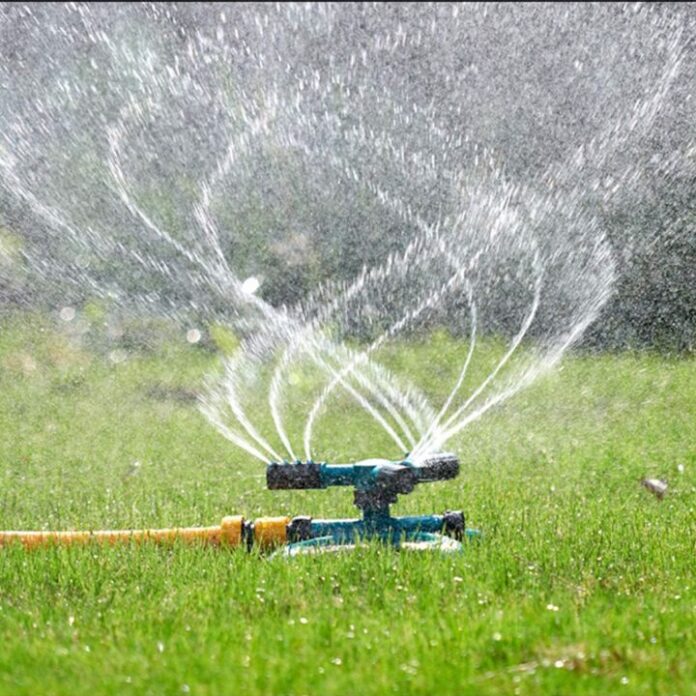

Regular sprinkler maintenance is essential for keeping an irrigation system efficient and dependable. Even high-quality equipment can experience reduced performance when nozzles become blocked, components wear out, or sprinklers become misaligned.
Understanding proper maintenance practices can also help users get more value from equipment selected from a Sprinkler Manufacturer. Routine inspections allow small problems to be identified early, helping maintain consistent water distribution and avoid unnecessary water loss.
Inspect Sprinklers Regularly
A simple visual inspection can reveal many common sprinkler problems. Look for leaks, damaged components, unusual spray patterns, and sprinklers that are not operating correctly.
Regular inspections are particularly important during periods of frequent irrigation. Checking equipment periodically makes it easier to identify changes before they affect a large area.
Clean the Nozzles
Nozzles can collect dirt, sediment, mineral deposits, and other particles from the water supply. Blocked openings may reduce flow and distort the intended spray pattern.
Remove accumulated debris carefully and clean the nozzle according to the equipment’s maintenance requirements. Avoid using methods that could damage or enlarge the nozzle opening.
Check for Leaks
Leaks can waste water and reduce the pressure available to other sprinklers in the same irrigation zone. They may occur around connections, seals, fittings, or damaged components.
Inspect the system while it is operating and look for unexpected water around the sprinkler or connection points. Damaged seals or components should be addressed promptly.
Monitor Spray Patterns
A change in spray pattern can be an early indication of a problem. Water may begin spraying unevenly because of a clogged nozzle, damaged component, incorrect pressure, or physical obstruction.
Compare the current spray pattern with its normal operation. If a sprinkler is covering a noticeably different area, investigate the cause rather than simply increasing the irrigation time.
Check Operating Pressure
Maintaining appropriate water pressure is important for consistent sprinkler performance. Pressure that is too low can reduce coverage, while excessive pressure may affect spray characteristics and increase water loss.
Periodically monitoring pressure can help identify changes in the irrigation system. Sudden pressure variations may indicate problems with pumps, pipes, valves, filters, or other components.
Keep Sprinklers Properly Aligned
Sprinklers can become tilted, displaced, or partially buried due to soil movement, landscaping activities, weather, or equipment traffic.
Check their position regularly and make sure they are directing water toward the intended area. Proper alignment helps reduce unnecessary overspray onto paths, buildings, roads, or other non-irrigated surfaces.
Inspect Moving Components
Some sprinkler designs contain rotating or moving parts. These components can experience wear over time and may eventually affect rotation or water distribution.
Watch for irregular movement, sticking, reduced rotation, or unusual operating behavior. Addressing mechanical problems early can help prevent uneven irrigation.
Clean Filters and Water Supply Components
If the irrigation system uses filters, they should be inspected and cleaned according to the system’s requirements. A blocked filter can restrict water flow and affect pressure throughout the network.
Keeping filtration components in good condition can also reduce the amount of sediment reaching sprinkler nozzles and internal passages.
Check for Physical Damage
Sprinklers installed in agricultural or landscaped areas can be damaged by machinery, vehicles, animals, gardening equipment, or accidental impact.
Inspect sprinkler bodies, risers, connections, and exposed components for cracks or other physical damage. Replacing damaged parts can help restore proper operation and prevent leaks.
Adjust Irrigation Schedules
Maintenance is not limited to cleaning and repairs. Irrigation schedules should also be reviewed as weather and plant requirements change.
During cooler or wetter periods, the system may require less frequent operation. Adjusting run times and schedules can help prevent unnecessary water use while maintaining appropriate soil moisture.
Monitor Water Distribution
Checking the condition of the soil and plants can provide useful information about sprinkler performance. Dry areas, excessive moisture, runoff, or inconsistent plant growth may indicate an irrigation problem.
If distribution appears uneven, inspect sprinkler spacing, pressure, nozzles, and operating conditions before making major changes to the watering schedule.
Replace Worn Components
Sprinkler components do not last indefinitely. Nozzles, seals, springs, rotating parts, and other components may gradually wear through regular use.
Replacing worn parts at the appropriate time can help maintain the original performance characteristics of the equipment. Delaying replacement may result in increasing water waste or inconsistent coverage.
Keep Maintenance Records
For larger irrigation systems, keeping a basic maintenance record can make ongoing management easier. Record inspections, cleaning, repairs, component replacements, and unusual performance issues.
These records can help identify recurring problems and indicate when particular components may require more frequent attention.
A Simple Maintenance Routine
A practical maintenance routine can include:
- Inspecting sprinklers for visible damage
- Cleaning clogged nozzles
- Checking for leaks
- Monitoring water pressure
- Verifying spray patterns
- Checking sprinkler alignment
- Inspecting filters
- Examining moving components
- Replacing worn parts
- Reviewing irrigation schedules
The frequency of these tasks should depend on the type of equipment, water quality, operating conditions, and frequency of use.
Final Thoughts
Proper sprinkler maintenance helps preserve water distribution, system efficiency, and equipment reliability. Small issues such as clogged nozzles, leaks, incorrect alignment, or worn components can gradually reduce performance if they are ignored.
A consistent maintenance routine allows problems to be identified before they become costly. By combining regular inspections with appropriate cleaning, adjustments, repairs, and timely component replacement, irrigation users can keep their sprinklers working effectively for longer.

