
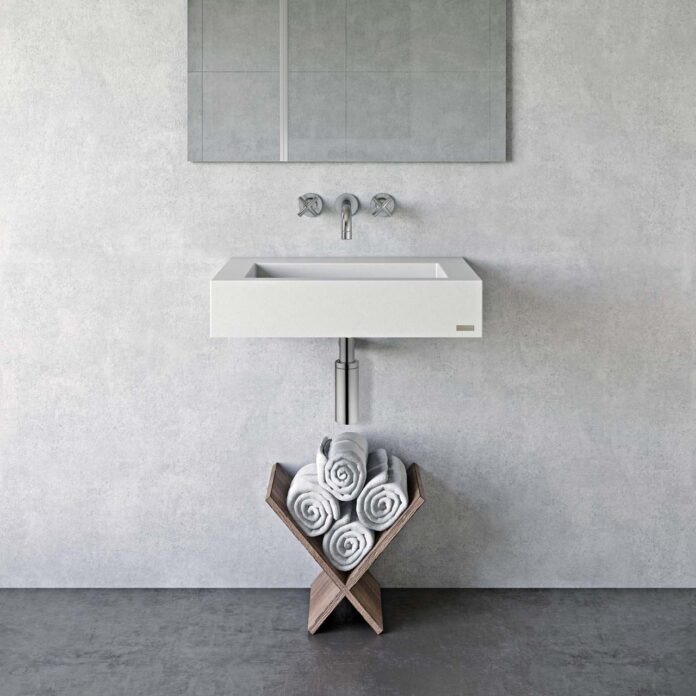

An accessible bathroom sink is designed for regular, practical use, but proper maintenance is essential for keeping it safe and functional over time. Routine cleaning, plumbing checks, and inspection of accessibility features can help prevent minor problems from becoming expensive repairs.
Whether installed in a home, hotel, healthcare facility, or public restroom, an ADA Bathroom Sink should be maintained with both durability and accessibility in mind. A consistent maintenance routine can help preserve the sink’s surface, faucet performance, drainage, and surrounding clearance.
Clean the Sink Surface Regularly
Regular cleaning helps prevent soap residue, mineral deposits, stains, and other buildup from affecting the sink’s appearance and hygiene. The appropriate cleaning method depends on the sink’s material and manufacturer’s recommendations.
Use a soft cloth or non-abrasive sponge with a suitable bathroom cleaner. Avoid harsh scouring pads and cleaning chemicals that could scratch or damage the surface.
For frequently used commercial bathrooms, more frequent cleaning may be necessary to maintain sanitary conditions.
Keep the Drain Clear
A slow or blocked drain can affect everyday usability and may eventually cause standing water or overflow. Hair, soap residue, and other debris can gradually accumulate inside the drain.
Clean the drain regularly and address slow drainage as soon as it becomes noticeable. A removable drain cover or strainer can help reduce the amount of debris entering the plumbing system.
If repeated blockages occur, professional inspection may be necessary to identify an underlying plumbing issue.
Check Faucets and Controls
Faucets are among the most frequently used components of a bathroom sink. Regularly inspect handles, levers, sensors, and connections for signs of wear or malfunction.
A faucet that becomes difficult to operate can reduce accessibility. Controls should remain easy to use and should not require excessive force, tight grasping, pinching, or twisting.
Check for dripping, inconsistent water flow, loose components, and leaks around the faucet base. Prompt repairs can prevent water damage and help preserve reliable operation.
Inspect Plumbing for Leaks
Even a small plumbing leak can eventually damage cabinets, walls, flooring, or the sink’s supporting structure. Check the supply connections and drain assembly periodically for moisture or water stains.
Accessible sinks with exposed plumbing require additional attention. Pipes beneath the sink should remain properly protected where required, particularly when users may position their knees or legs beneath the basin.
Any damaged insulation or protective covering should be repaired promptly.
Preserve Required Clearance
Accessibility depends on more than the sink itself. The clear floor area and knee and toe space beneath the basin should remain unobstructed.
Do not place storage containers, cleaning supplies, wastebaskets, or other objects beneath an accessible sink if they interfere with the required clearance.
In commercial facilities, staff should include the area around accessible sinks in routine inspections to ensure that temporary objects do not create barriers.
Inspect Mounting Hardware
Wall-mounted sinks depend on secure mounting systems to remain stable. Periodically check for movement, loose fasteners, cracks, or other signs that the fixture may need attention.
A sink that shifts when pressure is applied should not be ignored. Professional inspection may be necessary to verify the condition of the mounting system and supporting wall.
For countertop sinks, inspect the connection between the basin, countertop, and supporting structure for movement or deterioration.
Protect the Sink From Damage
Although many bathroom sinks are manufactured from durable materials, excessive impact can cause chips, cracks, scratches, or surface damage.
Avoid placing unusually heavy objects on the basin or countertop. Do not use the sink as a support point when moving or transferring into position unless the fixture is specifically designed and approved for that purpose.
Address small chips or cracks according to the manufacturer’s repair recommendations. Significant structural damage may require replacement.
Use Appropriate Cleaning Products
Different sink materials respond differently to cleaning chemicals. Before using a new product, check the manufacturer’s care instructions.
Some abrasive or highly aggressive cleaners can dull finishes, scratch surfaces, or damage protective coatings. Using a compatible cleaner and following the recommended application method helps maintain the original surface.
A simple maintenance routine usually works better than relying on strong chemicals for occasional deep cleaning.
Check for Water Temperature Issues
Accessible sinks should be safe as well as convenient. If the water becomes unexpectedly hot, inspect the faucet, mixing valve, or water-temperature control.
For public and commercial installations, water temperature should be managed according to applicable plumbing and safety requirements.
Regular checks can help identify problems before they create a burn hazard or damage plumbing components.
Create a Routine Maintenance Schedule
A simple schedule can make sink maintenance easier to manage. The frequency should depend on the environment and level of use.
Daily or Frequent Checks
- Clean the basin and faucet surfaces.
- Remove visible debris.
- Check for obvious leaks.
- Confirm that faucet controls work properly.
- Make sure the accessible area remains unobstructed.
Periodic Checks
- Inspect drain performance.
- Examine plumbing connections.
- Check mounting hardware.
- Inspect protective pipe coverings.
- Look for cracks, chips, corrosion, or surface deterioration.
High-traffic facilities may require more frequent inspections than private residential bathrooms.
Follow Manufacturer Maintenance Instructions
The manufacturer’s instructions should always take priority for material-specific cleaning, repairs, and component replacement. Recommended products and procedures can vary significantly between sink materials and designs.
Keep records of repairs and replacement parts for sinks installed in commercial or institutional facilities. This can make future maintenance easier and help identify recurring problems.
When Professional Service Is Needed
Some issues should be handled by a qualified plumber, contractor, or other appropriate professional. These may include persistent leaks, damaged mounting systems, significant cracks, recurring drainage problems, or plumbing modifications that could affect accessibility.
Attempting an unsuitable repair can create additional damage or alter the sink’s accessibility. Professional assistance can help ensure that repairs preserve both safe operation and applicable requirements.
Conclusion
Maintaining an accessible bathroom sink involves more than keeping the basin clean. Regular attention to faucets, drains, plumbing, mounting hardware, surface condition, and surrounding clearance can support long-term performance.
A consistent maintenance routine also helps preserve the accessibility features that users depend on. By following manufacturer recommendations and addressing problems early, property owners and facility managers can keep an accessible sink safe, functional, and comfortable for everyday use.

