
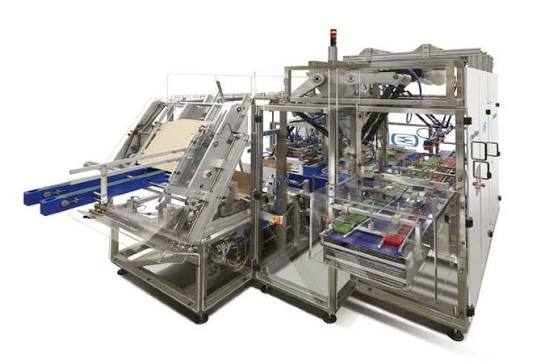

Selecting the right packaging equipment is an important decision for manufacturers looking to improve productivity, maintain product quality, and control operating costs. As production demands increase, businesses need packaging solutions that can handle different product sizes, maintain consistent packaging quality, and support efficient workflows. A suitable wrap around packaging system can help achieve these goals while reducing unnecessary manual operations.
Choosing the right Wrap Around Packer requires more than comparing machine prices or production speeds. Manufacturers should evaluate their product characteristics, packaging materials, production capacity, available factory space, and long-term operational requirements. Understanding these factors makes it easier to select equipment that fits the production line and delivers reliable performance.
Understand Your Product Requirements
The first step is to identify the products that will pass through the packaging machine. Different products have different dimensions, weights, shapes, and handling requirements. These characteristics influence the machine configuration and packaging process.
For example, beverage bottles, food containers, household products, and consumer goods may require different case arrangements and packaging specifications. Products with unusual shapes or delicate surfaces may also need additional attention during handling.
Before selecting equipment, consider:
- Product dimensions and weight
- Number of products required in each case
- Product stability during transportation
- Required case size and arrangement
- Whether products need special handling
Having accurate product specifications helps manufacturers identify equipment that can package their products consistently without unnecessary adjustments.
Evaluate Your Required Production Capacity
Production speed is another major consideration when choosing packaging equipment. A machine should support current output requirements while providing enough capacity to accommodate future business growth.
Manufacturers should calculate their average production volume and peak operating demands. Selecting equipment with insufficient capacity can create bottlenecks, while purchasing an excessively powerful system may increase investment and operating expenses without providing meaningful benefits.
It is also important to consider the relationship between the packaging machine and other production equipment. The packer should operate at a compatible speed with upstream filling or processing machines and downstream palletizing systems.
A balanced production line helps maintain continuous material flow and reduces unnecessary downtime.
Consider Packaging Material Compatibility
Wrap around packaging systems generally use corrugated cardboard or similar paper-based materials to form protective cases around products. However, not every packaging material performs equally well in every application.
The selected machine should support the required board thickness, dimensions, strength, and folding characteristics. Packaging material quality can influence folding accuracy, adhesive bonding, case stability, and overall appearance.
Manufacturers should evaluate whether the equipment can handle their preferred packaging materials without frequent adjustments. Testing different carton specifications before purchasing can help identify potential compatibility problems.
Choosing suitable materials also helps protect products during storage, transportation, and distribution.
Check Machine Flexibility and Adjustment Options
Production requirements can change over time. Businesses may introduce new product sizes, modify packaging configurations, or expand their product ranges. Therefore, machine flexibility is an important factor when comparing different packaging systems.
A flexible machine should allow operators to adjust carton dimensions, product arrangements, and packaging settings with minimal effort. Quick changeover capabilities are particularly valuable for facilities that handle multiple product types.
When evaluating flexibility, consider whether the equipment supports:
- Different case dimensions
- Multiple product configurations
- Adjustable packaging settings
- Quick changeovers between production runs
- Integration with different packaging materials
Machines with practical adjustment features can help manufacturers respond to changing market demands without investing in completely new equipment.
Examine Automation and Control Features
Automation plays an important role in modern packaging operations. Advanced control systems can improve packaging consistency, reduce manual intervention, and help operators monitor machine performance.
When comparing equipment, examine the control interface, sensor technology, automatic adjustment functions, and available safety systems. A user-friendly interface makes it easier for operators to manage production settings and identify potential issues.
Automated systems may also include monitoring functions that detect product positioning errors, packaging material problems, or machine interruptions. These features help reduce production disruptions and improve overall process reliability.
However, manufacturers should select automation features according to their actual operational needs rather than paying for unnecessary complexity.
Assess Machine Size and Factory Layout
Available factory space can influence the type of packaging machine a business can install. Some production facilities have limited floor space, while others need equipment that can accommodate large-scale automated packaging operations.
Before purchasing, measure the available installation area and consider the machine’s overall dimensions. Allow sufficient space for product feeding, carton loading, operator access, maintenance activities, and finished case transportation.
It is equally important to examine the machine’s connection requirements, including electrical supply, compressed air, and other utilities.
A well-planned installation helps prevent workflow interruptions and makes daily operation more convenient.
Prioritize Maintenance and Reliability
Machine reliability directly affects production efficiency. Equipment that experiences frequent breakdowns can interrupt packaging operations, increase maintenance expenses, and delay product deliveries.
Manufacturers should examine the quality of machine components, structural design, control systems, and maintenance accessibility. Machines with durable construction and accessible components are generally easier to inspect and service.
It is also useful to understand the manufacturer’s maintenance recommendations. Regular inspections, lubrication, cleaning, and replacement of worn components can help extend equipment service life.
Before making a purchase, ask about spare parts availability, technical support, troubleshooting assistance, and maintenance training.
Compare Total Operating Costs
The initial purchase price is only one part of the overall investment. Manufacturers should also consider the long-term costs associated with operating and maintaining the packaging system.
These may include electricity consumption, compressed air usage, packaging materials, spare parts, labor, and scheduled maintenance. A machine with a lower purchase price may become more expensive over time if it requires frequent repairs or consumes excessive resources.
Evaluating the total cost of ownership provides a clearer understanding of the equipment’s long-term financial value.
Businesses should also consider how improvements in production speed, packaging consistency, and labor efficiency may influence overall operating costs.
Check Safety Standards and Operator Convenience
Workplace safety should remain a priority when selecting industrial packaging equipment. A suitable machine should include protective guards, emergency stop functions, safety sensors, and clearly defined operating procedures.
Operators should be able to access essential controls without exposing themselves to unnecessary mechanical risks. Maintenance points and adjustment areas should also be designed to support safe working practices.
In addition, ergonomic features can improve operator convenience during regular production activities. Clear instructions, accessible controls, and straightforward changeover procedures can reduce training requirements and operating mistakes.
Consider Future Production Needs
A packaging machine should not only satisfy current requirements but also support potential business expansion. Manufacturers may experience increased demand, introduce new product lines, or enter additional markets.
Choosing equipment with suitable expansion capabilities can reduce the need for major modifications later. Consider whether the system can accommodate higher production volumes, additional feeding equipment, or integration with automated case handling and palletizing solutions.
Planning for future requirements helps businesses make more sustainable equipment investments.
Conclusion
Choosing the right wrap around packaging equipment requires careful evaluation of product specifications, production capacity, packaging materials, automation, factory layout, maintenance, and operating costs. Each factor contributes to the overall performance and suitability of the machine.
Manufacturers should compare equipment based on their actual production requirements rather than focusing only on purchase price or advertised speed. Reviewing technical specifications, testing packaging samples, and assessing long-term support can help reduce purchasing risks.
For businesses exploring packaging automation solutions, Techflow Pack provides a useful starting point for understanding available equipment options and evaluating how different packaging systems may fit their production requirements.

