
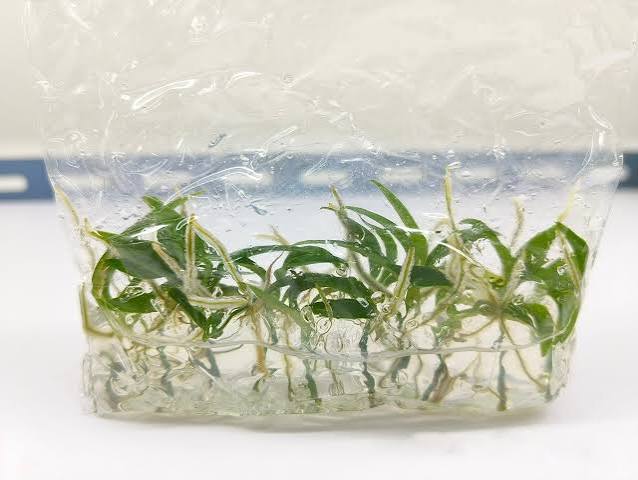

The global ornamental plant industry continues to grow as consumers, collectors, and businesses develop greater interest in tropical foliage plants. Philodendrons are particularly popular because of their diverse leaf shapes, attractive colors, and adaptability to indoor and greenhouse environments. For commercial nurseries, meeting this demand requires propagation methods that can produce sufficient quantities of healthy plants while maintaining desirable characteristics.
Tissue culture has become an important technology in modern Philodendron production. This laboratory-based propagation technique allows growers to multiply selected plant material under controlled conditions. By using Tissue Culture Philodendron propagation methods, commercial producers can improve production efficiency, expand their plant selections, and develop more organized cultivation systems.
Understanding Tissue Culture in Commercial Philodendron Production
Tissue culture, also known as micropropagation, is a technique used to produce new plants from small sections of existing plant tissue. These sections, called explants, are cultivated in sterile containers containing specially formulated nutrient media.
The nutrient media generally contain minerals, vitamins, sugars, and plant growth regulators that support cellular development. Under suitable laboratory conditions, the tissue develops into shoots and roots, eventually producing complete plantlets.
For commercial Philodendron growers, this technique provides an alternative to conventional propagation methods such as stem cuttings and division.
Unlike traditional propagation, tissue culture can multiply selected plant material repeatedly in a controlled environment. This makes it particularly useful for businesses that need larger quantities of ornamental plants.
1. Supporting Large-Scale Philodendron Production
One of the most important contributions of tissue culture is its ability to support large-scale plant multiplication.
Traditional propagation methods often require mature parent plants and sufficient space for individual cuttings. The number of new plants depends on the available propagation material and the growth characteristics of the variety.
Tissue culture allows laboratories to produce multiple shoots from relatively small amounts of starting material.
For commercial nurseries, this offers several advantages:
- Increased plant multiplication capacity.
- More efficient use of parent plant material.
- Better organization of propagation batches.
- Greater opportunities to expand production.
- Improved ability to respond to market demand.
The actual production rate depends on the Philodendron variety, culture medium, laboratory protocol, and available facilities.
2. Improving Plant Availability in the Ornamental Market
Demand for distinctive Philodendron varieties can fluctuate significantly. Collectors often seek plants with unusual foliage, attractive variegation, or rare growth characteristics.
Maintaining sufficient inventory through conventional propagation can be challenging, particularly for varieties that multiply slowly.
Tissue culture helps commercial producers increase the availability of selected varieties by supporting repeated multiplication under controlled conditions.
Popular examples include:
- Philodendron Pink Princess: Recognized for its dark green leaves with pink variegation.
- Philodendron White Princess: Appreciated for its green foliage with white or cream markings.
- Philodendron White Knight: Known for white variegation and distinctive reddish stems.
- Philodendron Birkin: Features dark green leaves with attractive cream-colored stripes.
- Philodendron Gloriosum: Valued for its large, velvety, heart-shaped foliage.
- Philodendron Melanochrysum: Recognized for elongated, dark leaves with prominent veins.
By producing different varieties, commercial growers can offer more choices to wholesalers, retailers, and plant collectors.
3. Maintaining Consistent Plant Characteristics
Consistency is important for commercial plant businesses because customers generally expect products to match their stated variety and appearance.
Tissue culture can help maintain desirable characteristics by using selected parent material and standardized propagation procedures.
Laboratories can monitor plant development at different stages and identify unusual growth during production.
However, uniformity is not guaranteed. Some cultivars, especially variegated varieties, may display genetic or developmental variations.
Commercial producers should therefore implement quality-control procedures to monitor leaf characteristics, growth patterns, and variety authenticity.
4. Improving Production Planning and Scheduling
Commercial nurseries need reliable production schedules to manage inventory, labor, growing space, and customer orders.
Tissue culture provides greater control over early propagation conditions because laboratories can regulate temperature, lighting, nutrients, and other environmental factors.
This allows businesses to organize production according to specific varieties and expected demand.
For example, a nursery preparing for a seasonal increase in ornamental plant sales can plan propagation batches in advance.
Although plant development times still vary, controlled laboratory conditions can make propagation schedules more manageable than relying entirely on outdoor methods.
5. Making Efficient Use of Growing Space
Space management is an important consideration for commercial horticultural operations.
Traditional propagation may require numerous pots, trays, and dedicated nursery areas. Tissue culture initially allows many plantlets to develop in compact laboratory containers.
This can help producers manage large numbers of young plants without immediately requiring extensive nursery space.
Once plantlets reach the appropriate developmental stage, they can be transferred into propagation trays or individual containers for acclimatization.
Efficient space utilization is particularly useful for businesses producing several Philodendron varieties simultaneously.
6. Supporting Cleaner Plant Propagation
Plant health is a major concern in commercial production because contamination can affect entire batches.
Tissue culture uses sterile laboratory procedures to reduce exposure to bacteria, fungi, and other microorganisms during propagation.
The process generally involves:
- Selecting suitable parent plant material.
- Cleaning and sterilizing the explants.
- Preparing sterile nutrient media.
- Maintaining culture containers under controlled conditions.
- Monitoring plant development for contamination.
- Separating healthy plantlets from affected cultures.
These procedures can help produce cleaner planting material when properly implemented.
However, laboratory propagation does not guarantee that every plant will remain free from pests or pathogens. Inspection and hygienic handling are still necessary during acclimatization and nursery cultivation.
7. Reducing Dependence on Mature Parent Plants
Commercial growers using traditional propagation methods often need to maintain a considerable number of mature parent plants.
This can require substantial space, regular maintenance, and long-term resource investment.
Tissue culture provides an alternative by allowing multiple plantlets to develop from relatively small amounts of selected plant material.
This is particularly beneficial when propagating varieties that are expensive, slow-growing, or difficult to multiply through conventional techniques.
Reducing dependence on large parent plant collections can help nurseries manage their production resources more effectively.
8. Supporting Year-Round Propagation
Outdoor plant propagation is influenced by seasonal temperatures, rainfall, sunlight, and other environmental conditions.
Laboratory propagation offers greater control over these variables.
By maintaining suitable temperature, lighting, and nutrient conditions, commercial producers can continue propagation activities throughout the year.
This does not mean that every variety develops at the same speed in all seasons. However, controlled conditions can reduce dependence on outdoor weather patterns and support more consistent production planning.
9. Improving Commercial Nursery Operations Through Acclimatization
Producing plantlets in the laboratory is only one part of commercial Philodendron production. Successful acclimatization is equally important.
Tissue culture plantlets initially develop in sealed containers with high humidity and controlled conditions. When removed, they must gradually adjust to normal nursery environments.
Commercial growers need to manage several factors during this stage.
Humidity Management
Young plantlets require relatively high humidity during early acclimatization. Humidity should be reduced gradually as the plants become established.
Suitable Growing Media
A well-draining substrate containing components such as coco coir, perlite, and orchid bark can support root development.
Light Management
Bright, indirect light is generally suitable for young Philodendrons. Strong direct sunlight should be avoided during the initial adjustment period.
Temperature Control
Warm and relatively stable temperatures support plant establishment. Sudden temperature changes can increase transplant stress.
Watering Practices
Growing media should remain lightly moist without becoming waterlogged. Excessive moisture can reduce oxygen availability around developing roots.
Effective acclimatization procedures help commercial nurseries reduce plant losses and prepare young Philodendrons for further growth.
10. Expanding Product Selection for Wholesale Buyers
Tissue culture enables commercial producers to explore a broader range of ornamental plant varieties.
Wholesale buyers often look for suppliers that can provide different Philodendron cultivars in suitable quantities.
By expanding their propagation capabilities, nurseries may offer:
- Popular indoor Philodendron varieties.
- Variegated ornamental cultivars.
- Rare and collector-focused selections.
- Different plant sizes and developmental stages.
- Customized quantities for commercial orders.
A broader product range can help nurseries serve different market segments, from small retailers to larger horticultural distributors.
11. Supporting Better Inventory and Quality Management
Managing large quantities of ornamental plants requires accurate inventory records and regular quality inspections.
Tissue culture production can be organized into identifiable batches, allowing growers to track plant varieties and developmental stages.
Commercial nurseries can maintain records covering:
- Parent plant identification.
- Culture establishment dates.
- Shoot multiplication stages.
- Root development.
- Acclimatization progress.
- Plant health inspections.
- Final inventory quantities.
These records help businesses identify production issues, monitor consistency, and plan future orders.
12. Economic Considerations of Commercial Tissue Culture
Although tissue culture offers production advantages, establishing and operating a commercial laboratory involves significant investment.
Businesses must consider equipment, trained employees, electricity, nutrient media, laboratory maintenance, and quality-control procedures.
Other costs include acclimatization facilities, growing containers, labor, packaging, and transportation.
The economic value of tissue culture depends on several factors:
| Cost Factor | Commercial Importance |
|---|---|
| Laboratory equipment | Determines initial investment requirements |
| Labor and expertise | Influences production efficiency |
| Nutrient media | Supports plant development |
| Energy consumption | Affects ongoing operating costs |
| Contamination control | Helps reduce production losses |
| Acclimatization | Influences plant survival rates |
| Packaging and shipping | Affects final delivery costs |
For commercial growers, evaluating the complete production process is important when determining whether tissue culture is financially suitable.
13. Challenges in Commercial Philodendron Tissue Culture
Despite its advantages, commercial tissue culture production involves several technical challenges.
Contamination: Bacterial and fungal growth can damage cultures and cause production losses.
Genetic variation: Some plantlets may develop characteristics that differ from the selected parent material.
Specialized equipment: Laboratories require controlled environments and appropriate sterilization facilities.
Technical expertise: Successful propagation requires knowledge of plant physiology, culture media, and laboratory procedures.
Acclimatization losses: Young plantlets may struggle when transferred from laboratory containers to normal growing conditions.
Addressing these challenges requires trained personnel, standardized procedures, and regular quality monitoring.
The Future of Commercial Philodendron Tissue Culture
The ornamental plant industry continues to explore improved propagation technologies to meet changing market requirements.
Developments in culture media, environmental monitoring, and laboratory automation may help commercial producers improve multiplication efficiency and manage larger production batches.
Research into cultivar-specific propagation protocols is also important for maintaining the desirable characteristics of popular Philodendrons.
As these techniques improve, tissue culture is likely to remain an important part of commercial ornamental plant production.
Companies such as Young Plants participate in this expanding tissue culture plant market, where plant selection, propagation standards, and reliable supply are important considerations for commercial buyers.
Conclusion
Tissue culture plays an important role in modern commercial Philodendron production by supporting large-scale multiplication, improving plant availability, and helping nurseries maintain more organized production systems.
The technique also provides opportunities to expand product selections, reduce dependence on mature parent plants, and manage propagation under controlled conditions.
However, commercial success depends on more than laboratory multiplication. Proper acclimatization, genetic quality control, nursery management, and careful cost planning are equally important.
For commercial growers and wholesale suppliers, understanding the role of tissue culture provides a strong foundation for developing efficient and sustainable Philodendron production operations.

