
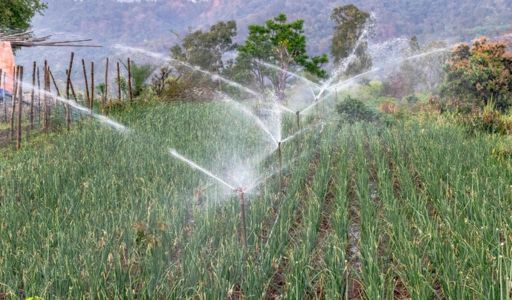

A reliable irrigation supply relationship can make purchasing easier for farms, nurseries, greenhouses, landscaping companies, and large agricultural operations. Instead of treating every order as a separate transaction, buyers can develop a long-term relationship that supports consistent product quality, smoother procurement, and better project planning.
When working with Drip Irrigation Wholesale Suppliers, the foundation of a strong partnership is clear communication and a shared understanding of technical requirements. Buyers should evaluate product consistency, delivery performance, specifications, pricing, and support before committing to an ongoing purchasing relationship.
Understand Your Own Requirements
A successful supplier relationship starts with a clear understanding of what your business or project actually needs. Before discussing long-term purchasing, identify the irrigation components you use regularly.
This may include drip tubing, emitters, filters, pressure regulators, valves, connectors, and other fittings. Knowing typical quantities and specifications makes future orders easier to manage.
Set Clear Product Specifications
Consistency is important when purchasing irrigation supplies repeatedly. Clearly document the required dimensions, materials, flow rates, pressure ratings, emitter spacing, and connection sizes.
A written specification sheet can help ensure that future orders match the original requirements. It also reduces the possibility of misunderstandings when different components are ordered over time.
Start With a Thorough Evaluation
Before establishing a long-term relationship, evaluate the supplier carefully. Consider product quality, order accuracy, communication, delivery performance, technical information, and overall value.
It can be useful to begin with a smaller order when practical. This provides an opportunity to assess whether the supplier can consistently meet the required specifications before larger commitments are made.
Communicate Regularly
Good communication is essential for maintaining a long-term business relationship. Buyers should provide accurate information about upcoming projects, expected quantities, and delivery requirements.
Likewise, suppliers should communicate changes in availability, specifications, lead times, or other factors that could affect an order.
Discuss Long-Term Purchasing Needs
If your irrigation requirements are recurring, explain your expected purchasing patterns. Sharing information about seasonal demand or upcoming projects can help both sides plan more effectively.
For example, agricultural operations may require larger quantities during specific planting periods. Advance planning can make it easier to coordinate inventory and delivery schedules.
Maintain Consistent Ordering Procedures
A standardized ordering process can reduce errors. Use clear product descriptions, item codes where applicable, quantities, specifications, and delivery instructions for every purchase.
Consistent documentation makes it easier to compare new orders with previous ones and quickly identify any differences.
Review Product Quality Regularly
A long-term relationship should not mean that quality checks are ignored. Irrigation components should continue to meet the specifications required by the project.
Periodically review tubing dimensions, emitter performance, fitting compatibility, and other important characteristics. Regular evaluation helps identify quality changes before they affect a large installation.
Discuss Pricing Transparently
Pricing is an important part of a long-term partnership, particularly when purchasing significant quantities. Discuss volume requirements, order frequency, and any changes that may affect pricing.
Rather than focusing exclusively on the lowest price, consider the overall value of the relationship. Consistent quality, reliable delivery, and reduced purchasing problems can also contribute to long-term savings.
Plan Delivery Schedules
Large irrigation projects often operate according to seasonal or construction schedules. Late deliveries can cause installation delays and increase labor costs.
Discuss expected lead times and delivery requirements in advance. For recurring orders, creating a general purchasing schedule can make inventory planning easier.
Keep an Appropriate Inventory
Maintaining a reasonable inventory of frequently used irrigation components can help prevent interruptions. However, excessive stock can tie up capital and require additional storage.
Use previous purchasing data to estimate normal consumption. Keep additional quantities of essential components when there is a clear operational need.
Share Feedback Constructively
Feedback helps identify what is working and what needs improvement. If an order arrives with incorrect quantities, damaged components, or specifications that do not match expectations, communicate the issue promptly.
Specific feedback is more useful than general criticism. Explain what happened, which components were affected, and what outcome is needed to resolve the problem.
Prepare for Future Projects
A long-term supplier relationship can become more valuable when both sides understand future requirements. If new fields, greenhouses, landscaping areas, or irrigation zones are planned, provide relevant information early.
Early communication can help with quantity planning and reduce the likelihood of last-minute purchasing decisions.
Keep Records of Previous Orders
Maintain records of product specifications, quantities, delivery dates, and any quality issues. These records can make future purchasing decisions much easier.
Historical order information can also help estimate seasonal demand and identify frequently used components.
Build Trust Through Consistency
Trust develops when both parties consistently meet their responsibilities. Buyers should provide accurate specifications and payment information, while suppliers should maintain agreed product standards and communicate changes promptly.
A reliable relationship is built through repeated positive transactions rather than a single successful order.
Review the Relationship Periodically
Even a successful supplier relationship should be reviewed from time to time. Consider whether product quality, pricing, delivery, communication, and technical support continue to meet expectations.
A periodic review provides an opportunity to address small problems before they become significant issues.
Avoid Depending on One Option Without a Backup
A long-term relationship can be valuable, but having contingency plans is still practical. Supply disruptions, transportation problems, unexpected demand, or material shortages can affect any purchasing arrangement.
Maintain records of alternative specifications and potential sources where appropriate. This can help reduce the impact of unexpected supply problems.
Final Thoughts
Building a long-term partnership with a drip irrigation supplier requires more than placing regular orders. Clear specifications, consistent communication, reliable delivery, transparent pricing, quality monitoring, and accurate record-keeping all contribute to a productive relationship.
By treating the supplier relationship as an ongoing part of irrigation planning, buyers can make procurement more predictable and reduce avoidable purchasing problems. A strong partnership should ultimately support consistent quality, efficient project management, and dependable access to the components needed for long-term irrigation operations.

