
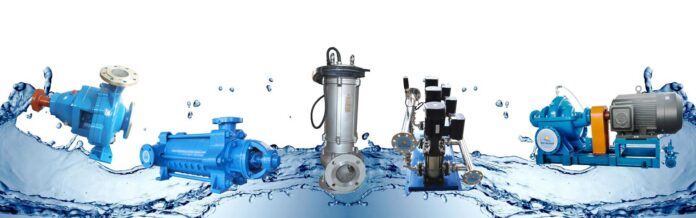

Bulk and industrial slurry pump orders often involve more than purchasing a few standard units. Large projects may require multiple pumps, different configurations, specialized materials, spare parts, technical documentation, and coordinated delivery schedules. Managing these requirements effectively requires careful planning throughout the procurement process.
An experienced Slurry Pump Supplier typically coordinates technical evaluation, production, quality control, packaging, documentation, and delivery to meet project requirements. Understanding how industrial orders are handled can help buyers prepare more effectively and avoid delays.
Reviewing Project Requirements
The process usually begins with a detailed review of the project’s technical requirements. Suppliers need to understand what each pump will handle and how the equipment will be integrated into the wider system.
Important information may include:
- Required flow and head
- Slurry density
- Solids concentration
- Particle size
- Material characteristics
- Operating temperature
- Pipeline conditions
- Operating schedule
- Installation requirements
For large projects, this information may be provided through technical specifications, equipment schedules, drawings, or engineering documents.
Preparing Pump Configurations
Bulk orders do not necessarily mean that every pump will be identical. A single industrial project may require different pump sizes, materials, drive arrangements, or configurations.
Suppliers review the duty requirements for each unit and determine the appropriate specifications. This helps ensure that every pump is matched to its intended operating position.
Coordinating Materials
Material selection becomes particularly important when multiple pumps are ordered for demanding applications. The supplier must ensure that the correct materials are assigned to each pump and its relevant components.
This may involve different materials for impellers, casings, liners, shafts, seals, and other parts depending on the slurry conditions. Proper material identification helps prevent errors during production and assembly.
Planning Production
Once specifications are confirmed, production must be organized according to the required quantities and delivery schedule.
For larger orders, production planning may involve coordinating casting, machining, heat treatment, component balancing, assembly, inspection, and testing. A structured production plan helps maintain consistency between units while keeping the project on schedule.
Maintaining Consistent Quality
Consistency is especially important when multiple pumps are supplied for the same project. Differences in component dimensions or performance can complicate installation, maintenance, and operation.
Quality control procedures may include:
- Raw material inspection
- Casting inspection
- Dimensional checks
- Machining verification
- Heat treatment checks
- Component balancing
- Assembly inspection
- Performance testing
These checks help maintain consistent quality across the order.
Managing Custom Requirements
Industrial projects often have requirements that differ from standard pump specifications. These may involve special materials, connection dimensions, mounting arrangements, seals, coatings, or operating conditions.
Suppliers must review customization requests carefully to determine how they affect manufacturing, testing, cost, and delivery time. Clear communication at this stage can prevent problems later in the project.
Coordinating Quality Testing
Testing becomes increasingly important as order quantities grow. Each pump may need to meet defined performance requirements before shipment.
Depending on project specifications, testing can involve flow, head, vibration, leakage, power consumption, and mechanical operation. Inspection records and test reports may also be prepared for project documentation.
Managing Spare Parts
Bulk orders often include spare parts to support future maintenance. These may include impellers, liners, seals, bearings, shafts, fasteners, or other components.
Suppliers can coordinate spare-parts quantities based on the expected operating conditions and maintenance schedule. Keeping commonly required components available can help reduce future downtime.
Packaging and Identification
Proper packaging is important when transporting industrial equipment over long distances. Pumps and components must be protected from impact, moisture, contamination, and other shipping-related risks.
Clear identification is equally important for large orders. Labels, part numbers, equipment tags, and packing lists help buyers determine which components belong to each pump and installation location.
Coordinating Documentation
Large industrial projects often require detailed documentation for engineering, installation, quality assurance, and maintenance.
Typical documents may include:
- Technical specifications
- Performance curves
- General arrangement drawings
- Installation instructions
- Maintenance manuals
- Spare-parts lists
- Inspection records
- Test reports
- Packing documentation
Accurate documentation helps project teams coordinate equipment efficiently from delivery through commissioning.
Managing Delivery Schedules
Delivery coordination is a major part of bulk-order management. Large projects may have specific installation phases, making it important for equipment to arrive according to the agreed schedule.
Suppliers coordinate production completion, inspection, packaging, and shipping to meet project timelines. Buyers should confirm delivery requirements early and communicate any site restrictions or phased delivery needs.
Supporting Multiple Delivery Locations
Some industrial projects involve several plants, processing areas, or installation sites. In such cases, equipment may need to be separated and delivered according to location.
Clear packaging lists and equipment identification help ensure that the correct pumps and spare parts reach the intended destinations.
Supporting Installation and Commissioning
Technical support can remain important after delivery. Industrial buyers may require information about pump installation, alignment, piping, sealing, lubrication, and initial operation.
Providing clear instructions and technical documentation can help installation teams prepare the equipment correctly and reduce commissioning problems.
Handling Changes During Production
Large projects can sometimes experience changes in process requirements, quantities, delivery dates, or technical specifications.
Effective order management requires clear communication between the buyer and supplier when changes occur. Any modification should be reviewed for its potential impact on materials, production, testing, cost, and delivery schedules.
Communication and Order Tracking
Regular communication is essential for large orders. Buyers may need updates about production progress, inspections, testing, packaging, and shipment.
A clear order-tracking process helps project managers identify potential delays early and coordinate installation activities accordingly.
Planning for Long-Term Support
Industrial orders can require support long after the original delivery. Replacement parts, technical questions, maintenance information, and additional equipment may be needed as the facility operates.
A supplier that maintains clear records of equipment specifications and supplied components can make future support more straightforward.
Conclusion
Handling bulk and industrial slurry pump orders requires coordination across technical selection, material planning, manufacturing, quality control, testing, packaging, documentation, and delivery. Larger projects also require careful management of spare parts, customization, installation requirements, and long-term support.
For buyers, providing complete technical specifications and clear delivery requirements at the beginning can make the process more efficient. Strong communication and structured order management can help ensure that multiple pumps arrive correctly configured, properly documented, and ready for installation and operation.

