
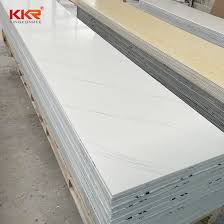

The solid surface industry has experienced considerable development as architects, interior designers, manufacturers, and property developers seek materials that combine visual appeal with practical performance. Modern construction projects increasingly require surfaces that offer design flexibility, durability, easy maintenance, and compatibility with different interior applications. These expectations have encouraged manufacturers to improve their materials, production methods, and product development strategies.
Innovation plays an important role in meeting these changing requirements. Companies such as KingKonree contribute to the industry by focusing on solid surface materials and bathroom products that support contemporary architectural and interior design needs. Their role reflects the growing importance of material development, manufacturing precision, and product customization in modern construction.
Understanding Innovation in the Solid Surface Industry
Solid surface materials are engineered products commonly used in countertops, bathroom fixtures, wall applications, reception desks, and other interior installations. Their composition can include mineral fillers, resins, and additional components that determine their physical and visual characteristics.
Unlike conventional natural materials, solid surfaces can be manufactured with controlled colors, patterns, thicknesses, and shapes. This adaptability creates opportunities for innovative designs across residential, commercial, and hospitality environments.
Industry innovation involves several interconnected areas, including:
- Development of improved material formulations.
- Advanced fabrication and manufacturing techniques.
- Greater customization and design flexibility.
- Improved surface quality and consistency.
- More efficient production processes.
- Research into sustainable materials and manufacturing practices.
These developments help manufacturers respond to changing market expectations while expanding the potential applications of solid surface products.
How KingKonree Contributes to Solid Surface Development
Manufacturers contribute to industry progress by combining material knowledge, product engineering, and production experience. Their ability to translate design requirements into practical products is an important part of solid surface innovation.
Expanding Product Applications
Solid surface materials are no longer limited to traditional countertop installations. Their flexibility allows manufacturers to develop products for different architectural and interior applications.
Common applications include bathroom washbasins, vanity countertops, bathtubs, wall panels, reception areas, and decorative interior features.
Expanding these applications gives designers more opportunities to incorporate coordinated materials throughout a building. It also encourages manufacturers to develop products that meet different functional and aesthetic requirements.
Supporting Contemporary Product Designs
Modern interiors increasingly emphasize clean lines, integrated components, and visually consistent surfaces. Solid surface materials are suitable for many of these design approaches because they can be fabricated into different configurations.
Manufacturers support this development by offering products with varied shapes, dimensions, colors, and finishes. These options help architects and designers create interiors that reflect specific project requirements.
Encouraging Customization
Customization has become an important consideration in the solid surface industry. Standard product dimensions do not always satisfy the requirements of specialized commercial developments or individual residential projects.
Flexible manufacturing capabilities allow companies to explore customized sizes, shapes, and product configurations. This can be particularly useful for projects involving unusual layouts, integrated fixtures, or distinctive architectural concepts.
The Importance of Advanced Manufacturing Technology
Manufacturing technology has a direct influence on the quality, consistency, and design possibilities of solid surface products. Improvements in production equipment and fabrication processes help manufacturers achieve more accurate dimensions and refined finishes.
Precision Manufacturing
Precision is essential when producing solid surface components that must fit together during installation. Small dimensional differences can affect alignment, joint appearance, and overall product performance.
Modern manufacturing methods help improve dimensional consistency and reduce production variations. Accurate fabrication is particularly important for integrated basins, countertops, and customized bathroom installations.
Improved Surface Finishing
Surface finishing affects both the appearance and practical characteristics of solid surface products. Smooth, consistent finishes can support contemporary interior designs while making routine cleaning more convenient.
Manufacturers use different finishing and polishing processes depending on the material formulation and intended application. Careful quality checks help ensure that finished products meet the required visual standards.
Better Production Efficiency
Efficient manufacturing processes can reduce unnecessary material consumption, improve production scheduling, and support consistent product output.
Automation, equipment upgrades, and standardized production procedures can help manufacturers manage larger orders while maintaining quality requirements.
Material Innovation and Performance Improvements
Material development is one of the most important areas of progress in the solid surface industry. Manufacturers must consider how different formulations influence strength, appearance, maintenance, and long-term performance.
Developing More Versatile Material Formulations
Solid surface products can vary according to their resin systems, mineral content, pigments, and manufacturing methods. These differences influence properties such as hardness, appearance, repairability, and resistance to everyday wear.
Research into material formulations helps manufacturers identify combinations that meet specific application requirements.
For example, bathroom surfaces require materials suitable for regular moisture exposure and routine cleaning, while commercial countertops may need to accommodate more frequent use.
Improving Moisture and Stain Resistance
Bathrooms and kitchens are exposed to water, cosmetics, cleaning products, and other substances that can affect surface appearance.
Solid surface materials are often selected for their non-porous characteristics, although actual resistance depends on the specific formulation and product specifications.
Continued material development and appropriate finishing techniques can help manufacturers improve product suitability for these environments.
Enhancing Repair and Maintenance Options
Maintenance requirements influence the long-term value of interior materials. Some solid surface products can be sanded or refinished to address minor scratches and surface imperfections.
This repairability can be beneficial in residential and commercial environments where maintaining a consistent appearance is important.
However, the available repair methods depend on the product composition, damage severity, and manufacturer’s recommendations.
Design Flexibility as a Driver of Industry Innovation
Design flexibility is a major reason why solid surface materials have become relevant in contemporary architecture. Their ability to accommodate different forms and finishes allows designers to move beyond conventional surface applications.
Seamless-Looking Installations
Solid surface components can often be joined using specialized fabrication techniques to create visually continuous installations. This approach is especially useful for countertops, integrated washbasins, and other interior features.
Seamless-looking designs support minimalist interiors by reducing visible transitions between different components.
Curved and Customized Shapes
Traditional materials may present limitations when complex shapes or specialized dimensions are required. Solid surface fabrication can support curved edges, integrated designs, and customized configurations.
These possibilities are useful in projects where standard products cannot fully satisfy architectural requirements.
Greater Color and Finish Variety
Color and texture influence the overall character of an interior. Solid surface products can be produced in a range of finishes, including neutral tones, solid colors, and patterns inspired by natural stone.
This variety allows designers to coordinate surfaces with flooring, cabinetry, lighting, and other interior elements.
Quality Control and Product Reliability
Innovation is not limited to introducing new designs or materials. Consistent quality is equally important because customers expect products to perform reliably after installation.
Manufacturers use quality control procedures to identify defects and reduce production inconsistencies.
Important inspection areas may include:
- Raw material assessment: Checking the quality and consistency of incoming materials.
- Dimensional accuracy: Confirming that products meet specified measurements.
- Surface inspection: Identifying visible imperfections, uneven finishes, or inconsistencies.
- Structural evaluation: Assessing product integrity according to application requirements.
- Final product checks: Reviewing finished items before packaging and shipment.
Effective quality management helps manufacturers maintain production standards and build confidence among distributors, contractors, and project buyers.
Sustainability and Responsible Manufacturing
Environmental responsibility is becoming increasingly important across the construction and interior materials industries. Manufacturers are exploring ways to improve resource efficiency while reducing the environmental impact of production.
Reducing Manufacturing Waste
Material optimization and accurate production planning can help reduce unnecessary waste. Better cutting techniques and more efficient fabrication processes may also improve material utilization.
Manufacturers can further examine opportunities to reuse suitable production leftovers where technical and quality requirements permit.
Improving Energy Efficiency
Manufacturing equipment consumes energy throughout different production stages. Upgrading machinery, optimizing operating schedules, and improving facility management can help reduce energy consumption.
These measures can also support more efficient production operations.
Considering Product Lifespan
A material’s environmental impact should be considered across its entire lifecycle rather than only during manufacturing.
Products that remain functional and maintain their appearance over extended periods may reduce the frequency of replacement. Repairable surfaces can also help extend useful product life in suitable applications.
However, sustainability claims should be evaluated using actual material data, manufacturing information, and relevant environmental certifications.
Applications Across Different Industries
Innovation in solid surface manufacturing supports a broad range of commercial and residential applications.
Residential Interior Design
Homeowners use solid surface materials in kitchen countertops, bathroom vanities, washbasins, and decorative installations. Their adaptable appearance makes them suitable for both traditional and contemporary interiors.
Hospitality and Hotel Projects
Hotels often require coordinated interior materials that maintain a consistent appearance across guest rooms, bathrooms, and shared facilities.
Solid surface products can support customized installations and coordinated designs, making them useful for hospitality projects.
Healthcare and Institutional Environments
Healthcare facilities and other institutions have specialized requirements for interior surfaces. Cleanability, suitable material specifications, installation quality, and compliance with relevant standards are important considerations.
Solid surface products may be appropriate for selected applications when their technical characteristics meet the project’s hygiene and performance requirements.
Commercial and Retail Spaces
Reception desks, service counters, display areas, and commercial interiors can benefit from customized surface materials.
Design flexibility allows businesses to create distinctive interior features while maintaining practical requirements for daily operations.
Future Trends Shaping the Solid Surface Industry
The solid surface industry will continue to evolve as manufacturing technologies, architectural preferences, and environmental expectations change.
Several developments are likely to influence future innovation.
Integration of Smart Manufacturing
Digital production planning, automated equipment, and improved monitoring systems can help manufacturers achieve greater accuracy and operational efficiency.
These technologies may also improve production traceability and reduce manufacturing errors.
Increased Demand for Customized Solutions
Architects and property developers increasingly seek materials that accommodate unique project requirements. Customized shapes, colors, dimensions, and integrated product designs are expected to remain important areas of development.
Manufacturers with flexible production capabilities will be better positioned to respond to these requirements.
Development of More Sustainable Materials
Research into lower-impact raw materials, improved resin systems, and recyclable manufacturing waste may influence future solid surface development.
The challenge will be balancing environmental improvements with the durability, appearance, and performance expected from engineered surfaces.
Continued Interest in Integrated Bathroom Designs
Integrated countertops, washbasins, and coordinated bathroom fixtures are becoming important features of contemporary interiors.
Solid surface materials offer design flexibility that can support these installations while maintaining a consistent visual appearance.
Conclusion
Innovation in the solid surface industry depends on continuous improvements in material development, manufacturing technology, product design, and quality management. These areas work together to expand product applications and meet the changing expectations of architects, designers, contractors, and property owners.
KingKonree illustrates the contribution of specialized manufacturers to this evolving industry through its focus on solid surface materials and bathroom products. As demand for customized designs, efficient production, and durable interior solutions continues to grow, manufacturers will play an increasingly important role in shaping the future of solid surface applications.
Ultimately, the industry’s progress will depend on combining technical improvements with practical design requirements and responsible manufacturing practices.

