
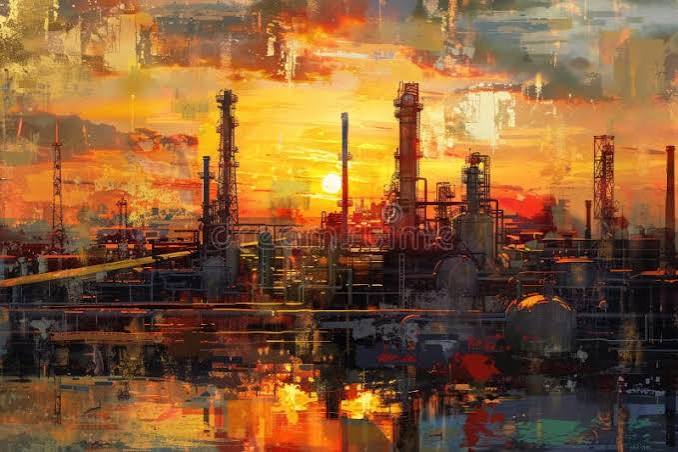

Handmade oil paintings represent a combination of artistic talent, technical knowledge, and careful craftsmanship. Unlike mass-produced printed wall decorations, these artworks are created through a series of detailed processes that require skilled painters, quality materials, and considerable attention to detail. Every brushstroke, color transition, and texture contributes to the final appearance of the painting.
An oil painting factory organizes these creative activities into a structured production process while preserving the individual techniques that make handmade artwork distinctive. From selecting suitable canvases and pigments to applying finishing touches, each stage plays an important role in producing paintings that meet artistic and quality expectations. Understanding this process helps buyers and art enthusiasts appreciate the work involved in creating handmade oil paintings.
What Makes Handmade Oil Paintings Different?
Handmade oil paintings are distinguished by the direct involvement of artists throughout the creative process. Rather than reproducing an image through printing equipment, painters apply oil-based pigments to a prepared surface using brushes, palette knives, and other artistic tools.
This approach creates unique characteristics that contribute to the value of handmade artwork.
Some important characteristics include:
- Individual brushwork: Each painting reflects the artist’s technique and personal interpretation.
- Rich color depth: Oil pigments allow artists to develop complex colors and smooth transitions.
- Distinctive textures: Different application methods create visible surface variations.
- Artistic flexibility: Painters can adjust compositions, details, and colors during production.
- Customization: Handmade paintings can be developed according to specific dimensions, subjects, and design preferences.
These qualities make handmade oil paintings suitable for residential interiors, hotels, offices, galleries, and decorative spaces.
Selecting High-Quality Materials for Handmade Artwork
Material selection is one of the most important factors in creating durable and visually appealing oil paintings. Even experienced artists depend on suitable materials to achieve consistent results.
Premium Oil Paints and Pigments
Oil paints are generally made by combining pigments with drying oils, such as linseed oil. The quality of these ingredients influences color intensity, consistency, and working properties.
Professional artists select pigments according to the painting’s subject and desired appearance. High-quality paints can provide better color stability and allow artists to develop detailed layers and subtle tonal variations.
Suitable Canvas Materials
Canvas provides the foundation for the artwork. Cotton and linen are commonly used because they offer different textures and support for traditional oil painting techniques.
Linen canvas is often valued for its strength and refined texture, while cotton canvas is widely used for its versatility and accessibility.
The canvas must be properly stretched and prepared to prevent surface irregularities during painting.
Brushes and Painting Equipment
Artists use different tools to create specific effects. Brush selection depends on the required stroke, texture, and level of detail.
Common equipment includes:
- Flat brushes for backgrounds and broad strokes.
- Round brushes for fine lines and detailed elements.
- Filbert brushes for blending and rounded edges.
- Palette knives for textured paint applications.
- Wooden easels for supporting canvases during production.
Using appropriate tools helps artists maintain control over the painting process.
How an Oil Painting Factory Produces Handmade Artwork
Creating high-quality handmade oil paintings involves several carefully managed stages. Although individual artistic approaches may differ, professional production environments generally follow a similar workflow.
1. Artwork Concept and Design Planning
The process begins with selecting an artistic concept. Depending on the project, the design may come from an original idea, a customer reference, a landscape photograph, or an established artistic composition.
Artists consider the painting’s subject, dimensions, color scheme, and intended style before beginning.
This stage is particularly important for customized artwork because it establishes the creative direction and ensures that the final painting meets the required specifications.
2. Canvas Stretching and Surface Preparation
Once the design is finalized, the canvas is prepared for painting. If an unstretched canvas is used, it is secured to a wooden stretcher frame to create a stable working surface.
Artists then apply an appropriate primer, commonly gesso, to prepare the canvas. Priming helps regulate paint absorption and creates a suitable surface for applying oil pigments.
Proper preparation also reduces the likelihood of uneven paint application.
3. Transferring the Composition
Before applying paint, artists establish the composition on the canvas. This may involve freehand sketching, proportional measurements, or transferring a prepared drawing.
The sketch identifies the position of major objects, background elements, and important visual details.
Accurate composition provides a foundation for maintaining balance, perspective, and proportion throughout the painting.
4. Creating the Underpainting
Underpainting is an important traditional technique used to establish the basic structure of an oil painting.
Artists apply an initial layer of paint to define light, shadow, shapes, and tonal relationships. Depending on the artistic method, this layer may use neutral colors or a limited palette.
The underpainting helps guide subsequent layers and gives the artwork a more organized visual foundation.
5. Applying Colors and Building Layers
After the foundation is established, artists begin adding the main colors. They gradually develop the background, primary subjects, shadows, and highlights.
Oil paints are particularly suitable for layering because they offer extended working time compared with many water-based paints.
Artists use techniques such as glazing, blending, and scumbling to develop depth and achieve different visual effects.
Each layer contributes to the final appearance, so painters must consider drying times and the compatibility of different paint applications.
6. Developing Fine Details
Once the main composition is complete, artists focus on smaller elements that bring the artwork to life.
For example, landscape paintings may require carefully developed foliage, reflections, clouds, and architectural details. Portrait paintings require attention to facial features, expressions, and subtle changes in skin tone.
Fine detailing requires patience and a strong understanding of artistic techniques. Small adjustments can significantly influence the overall balance and realism of the finished piece.
7. Creating Texture and Visual Depth
Texture is another important feature of handmade oil paintings. Artists use different brush movements and paint application methods to create visual and physical variations on the canvas.
One popular technique is impasto, in which paint is applied relatively thickly to produce a raised surface. Other methods create smoother finishes through thin layers and careful blending.
The choice depends on the artwork’s style and the artist’s creative intention.
8. Drying and Surface Protection
Oil paintings require sufficient time to dry before they can undergo final finishing procedures.
Drying depends on factors such as pigment type, oil composition, paint thickness, and environmental conditions. Thin applications generally dry faster than thick impasto layers.
After the painting has dried and cured sufficiently, a suitable varnish may be applied according to the product manufacturer’s recommendations. This can improve the surface appearance and provide an additional protective layer.
9. Final Inspection and Framing
The completed painting undergoes a detailed inspection to identify imperfections, inconsistent colors, surface damage, or structural issues.
If the artwork meets the required standards, it may be framed according to its dimensions and decorative style.
Frames can enhance the presentation while providing additional support and protection.
Quality Control Standards for Handmade Oil Paintings
Producing visually attractive artwork is only one part of maintaining quality. A professional manufacturing environment also needs consistent inspection procedures to ensure that every painting meets appropriate standards.
Color and Composition Accuracy
Artists and inspectors examine the relationship between colors, proportions, and visual elements. The finished painting should maintain the intended composition without unwanted inconsistencies.
Brushwork and Surface Finish
Brushstrokes should support the artistic style rather than create accidental imperfections. Inspectors check for unwanted marks, uneven surfaces, and visible damage.
Canvas and Frame Stability
The canvas should remain properly stretched, while the frame should provide suitable structural support. Loose canvas or damaged framing can affect the painting’s long-term presentation.
Drying and Finishing Quality
Paintings must receive adequate drying time before handling, varnishing, or packaging. Premature finishing can cause problems with the paint surface.
A systematic quality control process helps maintain consistency across different artwork styles and production batches.
The Importance of Skilled Artists in Handmade Painting Production
Technology can assist with planning and organizing artwork production, but the quality of handmade oil paintings depends heavily on artistic expertise.
Experienced painters understand how pigments interact, how light influences color perception, and how different brush techniques affect the final composition.
Their skills are particularly valuable when producing:
- Realistic portraits and figurative artwork.
- Traditional landscapes and natural scenes.
- Abstract paintings with layered textures.
- Classical artwork reproductions.
- Customized decorative paintings.
Artists also make creative decisions during production, adjusting colors, proportions, and details when necessary. This human involvement is what gives handmade paintings their individual character.
How Modern Technology Supports Traditional Painting
Modern technology has introduced useful tools that support traditional oil painting production without replacing the artist’s creative role.
Digital reference images help painters examine details, proportions, and color relationships. Design software can also assist with developing compositions and reviewing customer requirements before the painting begins.
Production management systems help organize orders, materials, schedules, and quality records.
However, the actual application of paint remains a skilled manual activity when the finished product is intended to be handmade artwork.
Combining digital planning with traditional techniques can improve workflow organization while preserving artistic authenticity.
Factors That Influence the Quality of Handmade Oil Paintings
Several factors determine whether a handmade painting achieves a high standard of craftsmanship.
Artist experience: Skilled painters are generally better equipped to manage complex compositions, color relationships, and detailed techniques.
Material selection: Suitable pigments, canvases, primers, and tools contribute to the artwork’s appearance and durability.
Production time: Rushing the painting process can affect detailing, layering, and drying requirements.
Artistic technique: Proper brushwork, blending, glazing, and texture development help create a balanced composition.
Environmental conditions: Appropriate temperature, humidity, and ventilation support safer working conditions and proper drying.
Final inspection: Careful examination helps identify defects before the artwork reaches its destination.
Paying attention to these elements helps maintain the quality of handmade paintings.
Customization Options in Handmade Oil Painting Production
Customization allows customers to obtain artwork that matches their personal preferences and interior design requirements.
Many production facilities offer flexibility in several areas.
Subject and Artistic Style
Customers may request landscapes, portraits, floral compositions, abstract designs, or other subjects. The artistic style can also be adapted to create a traditional, contemporary, or minimalist appearance.
Painting Dimensions
Artwork can be produced in different sizes depending on the available display space. Large paintings may be suitable for living room walls, hotel lobbies, and commercial interiors, while smaller pieces can complement bedrooms and offices.
Color Combinations
Custom color adjustments help paintings coordinate with furniture, wall finishes, lighting, and other decorative elements.
Canvas and Frame Selection
Customers may select different canvas types, frame designs, and presentation formats according to their requirements.
These customization possibilities make handmade oil paintings suitable for a wide range of decorative applications.
Why Handmade Oil Paintings Remain Popular in Interior Design
Despite the availability of digital prints and mass-produced wall decorations, handmade oil paintings continue to attract attention in interior design.
Their distinctive textures, artistic depth, and individual character make them useful decorative elements in different environments.
In residential spaces, paintings can establish a focal point, complement furniture, and introduce color into otherwise simple interiors.
In hotels, restaurants, and offices, carefully selected artwork can contribute to the overall atmosphere and visual identity of the space.
The ability to customize artwork also allows designers and property owners to create more coordinated interior arrangements.
Conclusion
Creating high-quality handmade oil artwork requires a combination of skilled craftsmanship, suitable materials, careful planning, and effective quality control. From preparing the canvas and developing the composition to applying paint layers and completing the final inspection, every stage contributes to the finished painting.
A well-organized ARTLAND production approach can bring traditional artistic techniques and modern workflow management together while maintaining attention to individual craftsmanship. As interest in personalized wall decoration continues to grow, handmade oil paintings remain an important choice for people seeking distinctive and expressive artwork.
Understanding how an oil painting factory manages its production process helps buyers appreciate the time, expertise, and attention to detail required to transform an artistic concept into a finished piece.

