
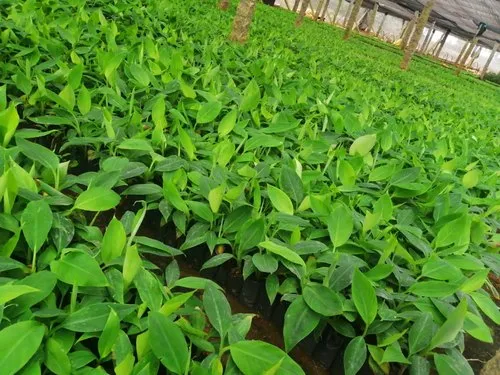

Choosing a supplier for international plant material requires more than comparing product availability or order quantities. Export buyers need to consider plant quality, production consistency, documentation, packaging, communication, and the supplier’s ability to meet international shipping requirements.
When sourcing China Tissue Culture Plants, buyers should evaluate suppliers against practical criteria before placing a commercial order. A structured assessment can make it easier to compare suppliers and identify potential issues before plants are shipped.
Confirm Plant Identity and Specifications
The first step is to verify exactly what the supplier is offering. Product information should clearly identify the plant species, cultivar, development stage, and expected quantity.
If plants are supplied in different sizes or stages, the supplier should explain the relevant specifications. Clear identification reduces the risk of receiving material that does not match the buyer’s production plans.
Review Production Capabilities
Buyers should learn how the supplier manages tissue culture production. Information about propagation stages, multiplication, rooting, inspection, and plant preparation can provide useful insight into the production process.
The objective is not simply to identify the largest production facility. Instead, buyers should determine whether the supplier’s processes appear suitable for the scale, crop, and consistency requirements of the intended order.
Examine Plant Quality Standards
Quality expectations should be established before an order is confirmed. Buyers can ask how plantlets are inspected and what criteria are used to determine whether a batch is ready for shipment.
Relevant considerations may include:
- Plant development
- Root formation
- Uniformity
- General plant condition
- Batch identification
- Packaging condition
- Inspection procedures
Specific requirements will vary by crop and destination.
Check Export Documentation
International shipments can require documentation related to plant health, origin, commercial information, and import requirements.
Buyers should discuss documentation with the supplier early in the purchasing process. It is also important to confirm destination-country requirements with the appropriate authorities rather than assuming that documentation requirements are identical between markets.
Evaluate Packaging Procedures
Tissue culture plants can be sensitive to transportation conditions. Packaging therefore deserves careful consideration when evaluating an export supplier.
Buyers should ask how plants are secured during transit and how the packaging is selected according to shipment duration, plant stage, quantity, and destination.
Consider Shipping Experience
Export experience can be useful because international plant shipments may involve longer transit times and additional handling compared with domestic deliveries.
Buyers can ask whether the supplier regularly handles international orders and whether it has established procedures for preparing plants and documentation for overseas transportation.
Assess Communication
Clear communication is an important part of international purchasing. Buyers should be able to obtain straightforward answers about specifications, production schedules, packaging, documentation, and shipment arrangements.
A supplier that communicates clearly can make it easier to resolve questions before dispatch and coordinate receiving procedures at the destination.
Compare Order Flexibility
Different nurseries and commercial growers have different purchasing requirements. Some may need small trial quantities, while others may require larger recurring shipments.
When evaluating suppliers, buyers should determine whether order quantities, varieties, delivery schedules, and packaging arrangements can accommodate their production plans.
Review Lead Times
Production and shipping schedules should be discussed before an order is finalized. Tissue culture plants may require specific preparation time depending on the variety, plant stage, and quantity requested.
Understanding lead times helps buyers coordinate greenhouse space, labor, acclimatization capacity, and subsequent production stages.
Ask About Acclimatization Requirements
Plants produced under controlled laboratory conditions may require gradual acclimatization after arrival. Export buyers should understand the plant stage being supplied and the environmental conditions required during the transition.
A supplier such as Young Plants can be evaluated partly by how clearly it communicates handling and acclimatization information alongside product specifications.
Request Relevant Records
For larger commercial orders, buyers may benefit from maintaining records related to supplier communications, product specifications, batch information, quantities, and shipment documentation.
Organized records make it easier to compare future shipments and identify whether plant performance remains consistent over time.
Consider Trial Orders
When working with a new supplier, a smaller initial order can provide useful practical information before a larger purchasing commitment is made.
A trial can allow buyers to evaluate:
- Plant condition on arrival.
- Packaging performance.
- Accuracy of quantities and varieties.
- Acclimatization requirements.
- Communication during the order.
- Plant establishment after transfer.
The results can then inform future purchasing decisions.
Look Beyond Price
Price is one factor in supplier selection, but it should be considered alongside other costs and requirements. Transportation, documentation, plant losses, acclimatization resources, labor, and delivery timing can all affect the overall economics of an imported shipment.
Comparing suppliers across several practical categories gives buyers a broader understanding of the purchasing arrangement.
Build a Supplier Evaluation Checklist
A simple checklist can make supplier comparisons more organized. Buyers can record information under categories such as:
- Plant specifications
- Production capacity
- Quality procedures
- Export documentation
- Packaging
- Shipping arrangements
- Lead times
- Communication
- Order flexibility
- Acclimatization guidance
Keeping the criteria consistent allows different suppliers to be reviewed using the same basic framework.
Final Thoughts
Evaluating suppliers of China tissue culture plants for export involves examining much more than product availability. Buyers should consider plant specifications, quality procedures, export documentation, packaging, shipping experience, communication, lead times, and acclimatization requirements.
A careful evaluation process can help commercial growers prepare for international orders and establish clearer expectations with suppliers. Reviewing these factors before committing to a large shipment can also make future purchasing and production planning more organized.

