
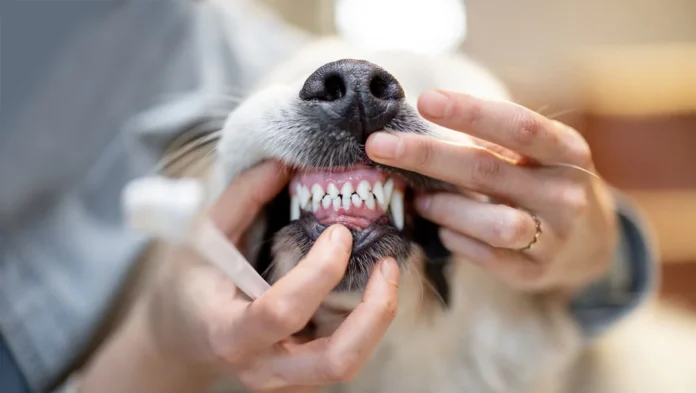

Dental hygiene plays a critical role in a dog’s overall health and well-being. Just like humans, dogs are susceptible to plaque buildup, tartar, and gum disease if their teeth are not properly maintained. While brushing your dog’s teeth regularly is highly recommended, many pet owners also consider professional cleanings to ensure thorough care. One increasingly popular option is anesthesia-free teeth cleaning. But is it safe and effective? This article explores what pet owners need to know about this alternative dental procedure.
Understanding Anesthesia-Free Dental Cleaning
Anesthesia-free teeth cleaning, also known as non-sedation dental cleaning, involves scaling and cleaning a dog’s teeth without putting them under general anesthesia. This approach is marketed as a less risky and more affordable option, especially for dogs that may be older or have underlying health conditions making anesthesia more dangerous.
Pet owners often find this method appealing because it avoids the potential complications associated with anesthesia. Clinics offering teeth cleaning for dogs no anesthesia emphasize the safety and comfort of the procedure, pointing out that trained professionals use gentle restraint and specialized tools to clean visible plaque and tartar above the gum line.
Safety Considerations for Pet Owners
While the idea of skipping anesthesia might sound attractive, there are important safety considerations to evaluate before choosing this route.
The primary concern with anesthesia-free cleaning is that it only addresses the surface-level plaque and tartar on your dog’s teeth. Because the cleaning does not involve probing beneath the gum line, it may not detect or treat periodontal disease, which can silently progress and lead to pain, infection, and even tooth loss. In contrast, cleanings performed under anesthesia allow veterinarians to conduct a complete oral exam and take dental X-rays to identify hidden issues.
Additionally, some dogs may become stressed or frightened during the procedure, which can make it difficult for technicians to clean the teeth thoroughly and safely. If not properly handled, this can lead to injuries or an incomplete cleaning.
Situations Where Anesthesia-Free Cleaning May Be Appropriate
Anesthesia-free dental care can be beneficial in certain cases—particularly for dogs with mild dental issues or as a supplemental cleaning between full veterinary dental procedures. It may also be suitable for dogs that are unable to undergo anesthesia due to age or medical conditions, provided the owner understands its limitations.
That said, it is essential to consult with your veterinarian before opting for any dental procedure. A professional can help assess whether anesthesia-free cleaning is appropriate for your dog based on their overall health and dental condition.
What to Look For in a Provider
If you decide to pursue anesthesia-free dental care, be sure to choose a reputable provider with experience in handling dogs during these procedures. The staff should be trained in canine behavior and dental hygiene techniques, and the clinic should be transparent about what the procedure entails and what results to expect.
It’s also wise to ask for references or read reviews from other pet owners who have used their services. A reliable provider will perform an initial dental assessment and inform you if a deeper cleaning under anesthesia is ultimately necessary.
Maintaining Your Dog’s Dental Health at Home
Regardless of which professional cleaning method you choose, maintaining your dog’s oral hygiene at home is essential. Daily or regular tooth brushing with dog-safe toothpaste, dental chews, and water additives can all contribute to healthier teeth and gums. Scheduling regular checkups with your veterinarian will also help identify potential problems before they become serious.
Conclusion
Anesthesia-free teeth cleaning for dogs can be a viable option in specific situations, especially for routine maintenance or for dogs that cannot undergo anesthesia. However, pet owners should understand its limitations and consult with a veterinarian before making a decision. By combining professional cleanings—whether anesthetic or non-anesthetic—with consistent at-home care, you can help ensure your dog enjoys a long, healthy, and pain-free life.

