
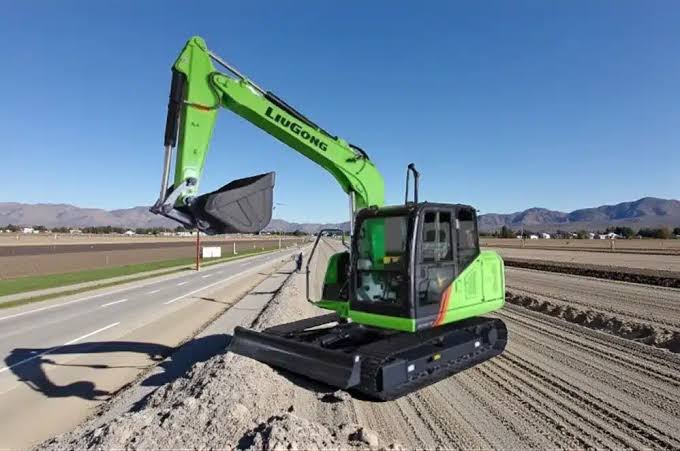

Construction businesses are increasingly examining how their equipment choices influence operational efficiency, resource consumption, and environmental considerations. Machinery is an important part of this discussion because it affects fuel or energy use, emissions during operation, maintenance practices, transport requirements, and the overall organisation of construction activities. Contractors may therefore consider alternative equipment technologies when reviewing their fleets and planning future purchases.
An electric mini excavator for sale may be worth evaluating for projects where battery-powered operation aligns with the work requirements and site conditions. Electric mini excavators can offer the advantage of producing no direct exhaust emissions during normal electric operation, while selected models may also provide useful noise characteristics and compact dimensions. However, sustainability should be assessed carefully, considering equipment performance, electricity sources, manufacturing, battery lifecycle, maintenance, and practical use.
Examining Direct Emissions During Operation
One characteristic of battery-powered excavation equipment is that it does not produce direct exhaust emissions during normal electric operation. This can be relevant when contractors work near occupied buildings, within selected enclosed environments, or in locations where managing exhaust exposure is an important consideration.
The absence of direct exhaust from the machine may help address certain operational requirements. Nevertheless, other construction activities can still produce emissions, and the broader environmental impact depends on several factors.
Contractors should distinguish between emissions at the point of operation and the equipment’s wider lifecycle impact. This distinction helps businesses evaluate electric equipment using a more balanced perspective.
Considering Electricity Use
Electric equipment requires energy to charge its battery. The environmental impact associated with this energy depends partly on how electricity is generated and supplied.
Businesses may consider their electricity consumption, available charging infrastructure, and the arrangements used to charge equipment. Where relevant, they may also examine whether their facilities use particular energy sources or have established energy management practices.
The machine’s energy consumption depends on workload and operating conditions. Contractors should evaluate expected usage and charging requirements to understand how the equipment fits into their operations.
Evaluating Noise Characteristics
Construction noise can affect workers and surrounding communities. Electric mini excavators may operate more quietly than certain comparable conventional machines, although excavation, hydraulic functions, tracks, and attachments continue to generate sound.
Potential noise advantages may be relevant for work near residences, offices, or other occupied areas. Contractors should compare actual noise specifications and consider the complete activity rather than assume that battery operation eliminates noise.
Noise management may still involve scheduling, site coordination, communication, and other appropriate measures.
Understanding Battery Lifecycle Considerations
Battery technology introduces lifecycle considerations that buyers should understand. Battery production, material sourcing, transportation, use, maintenance, replacement, and end-of-life handling can all influence the equipment’s broader environmental impact.
Contractors should ask suppliers about battery information, warranty coverage, maintenance recommendations, and relevant lifecycle or recycling arrangements where available.
They should avoid making broad environmental claims without supporting information. A responsible assessment considers the complete equipment lifecycle rather than only its operating characteristics.
Assessing Equipment Utilisation
The environmental and commercial value of equipment can be influenced by how frequently it is used and how well it matches the intended work.
A machine that performs recurring tasks efficiently may provide greater practical value than one purchased for occasional use. Contractors should examine project schedules, operating hours, transport requirements, and opportunities to use the machine across suitable applications.
However, equipment should not be used for tasks beyond its capabilities simply to increase utilisation. Appropriate machine selection remains important for safe and effective operation.
Considering Transport and Site Logistics
Equipment transport contributes to the overall operational footprint and affects project efficiency. Contractors should consider the machine’s operating weight, transport dimensions, loading arrangements, and the distance between projects.
Compact equipment may support access to smaller working areas, but transport still requires suitable vehicles, loading equipment, and planning.
Businesses should evaluate whether the machine can be delivered and collected efficiently and whether existing transport arrangements are suitable.
Supporting Responsible Equipment Management
Sustainability considerations extend beyond the purchasing decision. Businesses can maintain equipment appropriately, manage charging efficiently, avoid unnecessary idling or movement, and keep records of operating hours and maintenance.
Operator training can help ensure that machines are used according to manufacturer guidance and that resources are managed responsibly.
Companies may also review equipment replacement practices and consider how machinery is maintained, resold, or handled at the end of its useful life.
Conclusion
Electric mini excavators may contribute to selected construction operations where battery-powered equipment offers practical benefits, including the absence of direct exhaust emissions during normal operation. However, sustainable equipment decisions require a broader assessment of energy use, battery lifecycle, noise, transport, utilisation, and maintenance. Contractors who evaluate these factors carefully can make more informed purchasing decisions and incorporate equipment considerations into their wider operational and environmental planning.

