
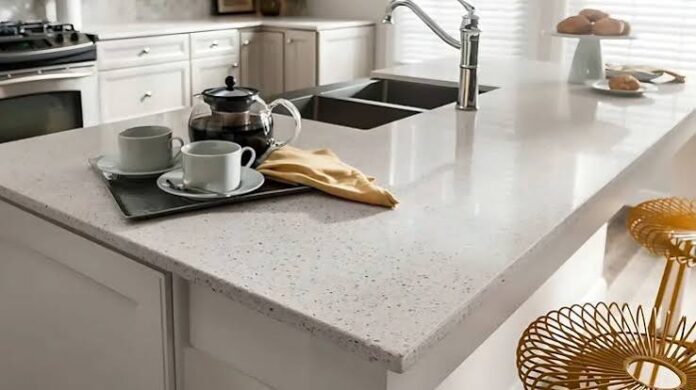

Choosing suitable materials is an important part of creating a comfortable, functional, and visually appealing home. From kitchen countertops and bathroom vanities to decorative wall features and customized furniture, interior surfaces influence both the appearance and everyday usability of residential spaces. Homeowners increasingly consider materials that offer design flexibility while meeting practical requirements such as maintenance, durability, and installation compatibility.
Solid surface materials have become a useful option in modern residential design because they are available in different colors, finishes, and fabricated forms. Their versatility allows designers to incorporate coordinated surfaces into various rooms and layouts. Exploring the options associated with KKR Solid Surface can help homeowners, architects, and interior designers understand how these materials may contribute to different residential projects.
Understanding Solid Surface Materials
Solid surface is a manufactured material commonly used for countertops, washbasins, vanity tops, and decorative interior applications. Depending on the formulation, it may contain mineral fillers, resin binders, pigments, and other ingredients that determine its appearance and physical characteristics.
Unlike natural stone, which is extracted from geological formations, solid surface materials are produced through controlled manufacturing processes. This allows manufacturers to offer consistent colors, patterns, and dimensions for different design requirements.
Their ability to be fabricated into customized shapes makes them particularly relevant to residential projects where standard materials may not fit the intended layout.
1. Design Flexibility for Different Interior Styles
One of the main benefits of solid surface materials is their ability to complement different interior design approaches.
Homeowners may prefer minimalist spaces with simple colors or more decorative interiors featuring distinctive patterns and contrasting finishes. Solid surface products are available in various designs that can support these preferences.
Modern and Minimalist Interiors
Neutral colors, smooth finishes, and simple shapes are common features of modern residential spaces.
Solid surface countertops and vanity tops can complement these elements while creating a consistent appearance throughout the home.
Contemporary and Decorative Spaces
Some homeowners prefer more expressive interiors with contrasting colors and distinctive surface patterns.
The variety of available finishes provides opportunities to coordinate surfaces with cabinetry, flooring, wall treatments, and decorative accessories.
2. Customized Solutions for Residential Layouts
Every home has different dimensions, architectural features, and functional requirements.
Standard countertop sizes and furniture components may not always fit unusual layouts or compact spaces. Solid surface materials can often be cut and fabricated to specific dimensions using appropriate equipment and techniques.
Common customization possibilities include:
- Countertops designed for specific kitchen layouts.
- Bathroom vanity tops with customized dimensions.
- Curved countertop sections.
- Coordinated basin and countertop designs.
- Decorative wall panels and interior features.
This flexibility allows designers to develop solutions that fit the available space while maintaining a coordinated appearance.
3. Smooth Surfaces for Everyday Use
Residential interiors experience regular use, so surface materials should be selected with daily activities in mind.
Many solid surface products have smooth finishes that support routine cleaning when appropriate care instructions are followed.
In kitchens, these surfaces may be used for food preparation areas and countertops. In bathrooms, they can provide practical vanity surfaces around washbasins.
However, the cleaning requirements and performance characteristics depend on the specific material formulation and finish.
4. Design Coordination Across Different Rooms
A consistent material palette can help create visual harmony throughout a home.
Solid surface materials are available in different colors and finishes, making it possible to coordinate selected features across kitchens, bathrooms, and other interior areas.
For example, a homeowner may choose complementary finishes for a kitchen island and bathroom vanity. This can help establish a consistent design language without making every room look identical.
Designers can also combine solid surface products with wood, metal, glass, ceramic tiles, and other materials to introduce contrast and visual depth.
5. Practical Options for Modern Kitchen Design
The kitchen is one of the most active areas in a residential property. Its surfaces must support everyday cooking, cleaning, storage, and social activities.
Solid surface materials can be considered for several kitchen applications.
Kitchen Countertops
Countertops influence both the functionality and appearance of a kitchen.
Different solid surface colors and patterns allow homeowners to coordinate work surfaces with cabinets, appliances, and backsplashes.
Kitchen Islands
Kitchen islands may serve as preparation areas, dining spaces, or additional storage features.
Customized solid surface fabrication can support different island shapes, dimensions, and edge details.
Sink and Backsplash Areas
Selected solid surface products can be used for coordinated sink surrounds and backsplashes.
When properly designed and fabricated, these features can create a visually continuous appearance around frequently used areas.
Before selecting a kitchen product, homeowners should review its specific heat, scratch, stain, and cleaning characteristics.
6. Attractive and Functional Bathroom Interiors
Bathrooms require materials that complement the design while handling regular moisture exposure and cleaning.
Solid surface materials are commonly considered for bathroom fixtures and surfaces because of their available finishes and fabrication possibilities.
Bathroom Vanity Tops
A well-designed vanity top can improve the appearance of a bathroom while providing space for everyday personal care activities.
Solid surface options allow homeowners to select colors and dimensions that complement the vanity cabinet and surrounding finishes.
Washbasins
Certain solid surface materials can be fabricated into coordinated or integrated basin designs.
These options can help create a consistent appearance between the washbasin and surrounding countertop.
Compact Bathroom Installations
Smaller bathrooms often require customized dimensions to use available space efficiently.
Fabricated vanity tops and appropriately sized basins can help accommodate narrow layouts and limited countertop areas.
For all bathroom applications, buyers should confirm moisture-related specifications and follow the manufacturer’s installation and maintenance recommendations.
7. Seamless-Looking Design Details
Certain solid surface products can be joined through specialized fabrication techniques to create visually continuous surfaces.
This approach is useful when designers want to minimize the appearance of joints across connected countertop sections or around integrated features.
In residential interiors, seamless-looking details may be used for:
- Kitchen countertops.
- Bathroom vanity tops.
- Integrated washbasin designs.
- Customized reception-style counters in home offices.
- Selected decorative wall features.
The final result depends on the material, fabrication quality, joining method, and installation workmanship.
8. Maintenance and Long-Term Appearance
Homeowners generally prefer interior materials that can be maintained without unnecessarily complicated procedures.
Many solid surface products have smooth, relatively low-porosity surfaces, although their exact characteristics vary by formulation.
Following suitable maintenance practices can help preserve their appearance.
Regular Cleaning
Use cleaning products recommended for the specific material.
Routine cleaning helps remove dust, soap residue, food particles, and everyday spills.
Avoiding Surface Damage
Some solid surface finishes may be affected by abrasive cleaners, sharp objects, or excessive heat.
Using cutting boards, heat protection, and suitable cleaning tools can help reduce avoidable damage.
Following Repair Guidance
Certain solid surface formulations allow minor scratches or surface imperfections to be repaired through appropriate refinishing methods.
Homeowners should consult product documentation or a qualified professional before attempting repairs.
9. Potential for Repair and Refinishing
Another consideration when evaluating solid surface materials is the possibility of repairing selected types of surface damage.
Depending on the formulation and thickness, some products can be sanded or refinished to improve the appearance of minor imperfections.
This may help homeowners maintain an interior surface without replacing the entire installation.
However, not every type of damage can be repaired using the same method. Deep cracks, structural problems, and damaged joints may require professional assessment or replacement.
10. Suitable Applications in Different Residential Areas
Solid surface materials are not limited to kitchens and bathrooms. They can also be considered for selected features in other parts of a home.
| Residential area | Possible application | Design consideration |
|---|---|---|
| Kitchen | Countertops and islands | Heat exposure and daily use |
| Bathroom | Vanity tops and washbasins | Moisture and cleaning requirements |
| Home office | Worktops and custom counters | Dimensions and visual coordination |
| Living room | Decorative surfaces and selected furniture features | Finish and interior style |
| Laundry room | Utility countertops | Water exposure and cleaning |
| Dressing area | Vanity surfaces | Appearance and maintenance |
The suitability of each application depends on the product specifications and expected conditions of use.
11. How Solid Surface Compares with Other Residential Materials
Homeowners often compare solid surface with natural stone, engineered quartz, ceramic, and laminate before making a decision.
Each option offers different advantages and limitations.
| Material | Common residential uses | Important considerations |
|---|---|---|
| Solid surface | Countertops, vanities, basins, decorative features | Custom fabrication and product-specific maintenance |
| Natural stone | Kitchen countertops, bathroom surfaces | Natural variation, weight, and possible sealing |
| Engineered quartz | Kitchen countertops and work surfaces | Composition, heat limitations, and fabrication requirements |
| Ceramic | Tiles, basins, and selected surfaces | Hardness, joints, and impact resistance |
| Laminate | Budget countertops and furniture | Edge protection and moisture exposure |
There is no universal choice for every residential project. Homeowners should compare technical specifications, appearance, installation requirements, and total ownership costs.
12. Factors to Consider Before Choosing KKR Solid Surface
Selecting a suitable product requires careful planning to ensure that the material meets the project’s design and functional requirements.
Homeowners and designers should consider the following points:
- Intended application: Determine whether the material will be used for a kitchen countertop, bathroom vanity, washbasin, or decorative feature.
- Material composition: Review the product’s technical specifications and physical characteristics.
- Thickness and dimensions: Confirm that the product is suitable for the planned installation and support structure.
- Color and finish: Compare samples with the surrounding cabinetry, flooring, and lighting.
- Fabrication requirements: Identify whether customized shapes or integrated components require specialized processing.
- Installation quality: Confirm measurements, support arrangements, and fitting instructions.
- Maintenance needs: Understand recommended cleaning methods and repair procedures.
- Budget: Include material, fabrication, transportation, installation, and future maintenance costs.
Requesting samples and technical documentation before placing an order can help reduce uncertainty.
13. Supporting Thoughtful and Efficient Residential Design
Modern residential projects increasingly focus on making better use of available space while maintaining a comfortable interior environment.
Solid surface materials can support this approach through customized dimensions, coordinated finishes, and adaptable fabrication possibilities.
In compact apartments, customized vanity tops and countertop sections may help accommodate restricted layouts. In larger homes, matching or complementary surfaces can connect kitchens, bathrooms, and other interior areas.
The most effective results come from selecting materials according to actual household requirements rather than relying only on appearance or current design trends.
Conclusion
KKR Solid Surface materials can offer several benefits for residential interior projects, including design flexibility, customized fabrication possibilities, smooth finishes, and applications across kitchens, bathrooms, and selected living spaces. Their variety of colors and finishes also allows homeowners to coordinate different surfaces with cabinetry, flooring, and other interior elements.
However, the success of any installation depends on choosing the right product for its intended use. Material specifications, heat and moisture exposure, fabrication quality, installation methods, and maintenance requirements should all be considered before purchasing. With careful planning, solid surface materials can contribute to residential interiors that balance visual appeal with practical everyday functionality.

