
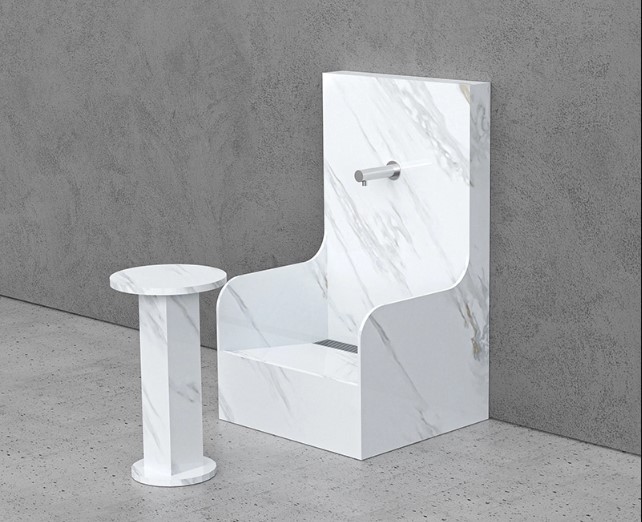

Designing a modern Islamic home involves more than choosing attractive furniture and matching bathroom fixtures. Families also need spaces that support their daily religious practices without making the home feel crowded or difficult to maintain. A dedicated ablution area is one practical addition that can make everyday routines more comfortable.
Choosing the right Wudu sink requires attention to several details, including available space, basin design, material, drainage, and user comfort. The right choice should support regular ablution and fit naturally into the home’s overall bathroom design. Understanding these factors before purchasing helps homeowners avoid installation problems and select a fixture that meets their family’s needs.
Understand Your Household’s Ablution Needs
Start by considering how family members will use the washing area. A home with several people performing ablution throughout the day may need a different basin from one used by only one or two residents.
Think about the age and mobility of regular users as well. Children may need a lower and easily accessible washing section, whereas older family members may benefit from a design that reduces excessive bending.
Also consider whether you want a dedicated ablution corner or a separate bathroom area. This decision will influence the basin dimensions, plumbing arrangement, and available installation options.
Choose The Right Wudu Sink Design
The basin design affects how comfortably users can complete their washing routine. Modern homes have different layouts, so the best option depends on the available space and preferred installation style.
Wall-Mounted Designs
Wall-mounted basins create a clean appearance and leave more visible floor space underneath. They work well in smaller bathrooms where homeowners want to maintain an open layout.
Their installation height can also be adjusted according to the needs of regular users. However, the wall must provide suitable structural support, and plumbing connections need careful planning.
Floor-Mounted Designs
Floor-mounted models provide a more traditional installation approach. They can offer a stable structure and may suit larger bathrooms with enough room for a separate ablution section.
These designs are worth considering when homeowners prefer a dedicated washing station rather than integrating the fixture into an existing vanity arrangement.
Designs With Dedicated Foot-Washing Areas
Washing the feet is an important part of ablution, yet standard bathroom basins rarely provide enough room for this activity.
Some specialized models include a lower basin or foot-washing section. This feature makes the process more convenient and helps users avoid lifting their feet into a conventional sink.
For families that perform ablution regularly, this design can make a noticeable difference in everyday comfort.
Measure Your Bathroom Before Purchasing
A visually attractive basin may not work well when its dimensions do not match the available space. Before selecting a model, measure the intended installation area carefully.
Consider these measurements:
- Available width: Check how much horizontal space the basin can occupy without restricting movement.
- Basin depth: Make sure the fixture provides enough room for comfortable washing.
- Installation height: Choose a height that suits the people who will use it most frequently.
- Standing clearance: Leave enough room in front of the basin for comfortable movement.
- Plumbing space: Check the location of water supply pipes and drainage connections.
Remember to account for bathroom doors, nearby cabinets, and other fixtures. A well-planned layout allows users to move around comfortably without creating unnecessary obstacles.
Select A Durable And Easy-To-Clean Material
The material of an ablution basin affects its appearance, maintenance, and long-term performance. Since the fixture comes into regular contact with water, soap, and cleaning products, durability should be an important part of the buying decision.
Ceramic And Porcelain
Ceramic and porcelain are common choices for bathroom fixtures. Their smooth surfaces are relatively easy to clean and suit different interior styles.
They are available in various shapes and finishes, making it easier to coordinate the basin with existing bathroom fixtures. However, heavy impacts can cause chips or cracks.
Solid Surface Materials
Solid surface materials offer a contemporary appearance and allow manufacturers to create different shapes and basin configurations.
Their nonporous construction can make cleaning easier and help maintain a consistent finish. Some solid surface products also allow minor surface damage to be repaired, depending on the material and manufacturer’s recommendations.
Kingkonree offers solid surface products and sanitary ware solutions for modern bathroom applications. Homeowners comparing materials can review available finishes, construction details, and design options before making a purchase decision.
Natural Stone
Natural stone can give an ablution area a distinctive appearance. Marble and other stone varieties work well in bathrooms with natural textures and premium finishes.
However, stone requires suitable care. Some varieties need periodic sealing and may react to acidic cleaning products. Check the maintenance requirements before selecting this option.
Pay Attention To Water Supply And Drainage
A well-designed basin needs an equally practical plumbing arrangement. Poor drainage can leave standing water around the washing area, making the floor slippery and increasing cleaning requirements.
Check whether the selected model includes an appropriate drain opening and compatible plumbing connections. The basin should direct used water toward the outlet without creating areas where water collects.
Water supply placement also matters. Faucets should provide enough reach for comfortable washing without causing excessive splashing.
For a newly constructed home, discuss the fixture dimensions and plumbing requirements with the contractor before the bathroom walls and flooring are completed. This helps prevent expensive adjustments during installation.
Consider Water Efficiency
Water consumption is another factor worth considering, particularly in households where several people perform ablution daily.
A suitable faucet can help control water flow without making washing inconvenient. Aerators and flow-restricting fixtures may reduce unnecessary water use by controlling the amount released from the tap.
Homeowners can also develop simple habits that prevent water waste:
- Turn off the tap when water is not needed.
- Avoid leaving the faucet running throughout the washing process.
- Repair leaking taps and loose plumbing connections.
- Choose fixtures that provide controlled water flow.
These small decisions help reduce household water consumption without affecting the basic washing routine.
Match The Basin With Your Home’s Interior Design
A modern Islamic home does not need to sacrifice appearance for practical bathroom features. The ablution area can complement the rest of the interior through coordinated colors, materials, and finishes.
Select A Suitable Color
White remains a popular choice because it creates a clean and bright bathroom appearance. It also pairs easily with neutral tiles, wooden cabinets, and stone surfaces.
For a more distinctive look, homeowners can consider beige, grey, or other finishes that complement their existing interior palette.
Coordinate With Other Bathroom Fixtures
The basin should look balanced alongside faucets, mirrors, storage cabinets, and wall tiles. Matching or coordinating these elements creates a more organized appearance.
For example, a white solid surface basin can work well with brushed metal fixtures and light-colored stone tiles. Darker finishes may suit bathrooms with contrasting cabinets and modern lighting.
Keep The Design Simple
Avoid adding too many decorative elements around the washing station. A simple layout with suitable lighting and practical storage usually works better than a crowded arrangement.
A clean design also makes routine bathroom maintenance easier.
Check Safety And Accessibility Features
Bathroom safety deserves attention, especially when children and older adults use the ablution area. Wet floors and uncomfortable washing positions can increase the risk of slipping or losing balance.
Look for features that make the washing process more stable and accessible.
Non-Slip Flooring
Install suitable anti-slip flooring around the basin. This is particularly important when the design includes a dedicated foot-washing section.
Comfortable Basin Height
The basin should allow users to wash without unnecessary bending or stretching. Consider the needs of everyone in the household rather than selecting a height based only on appearance.
Stable Foot Support
Some designs include a dedicated platform or support for washing feet. Check that these elements provide a stable surface and do not become slippery when wet.
Easy-To-Reach Faucets
Faucet controls should be accessible without requiring users to stretch or change their position repeatedly. Lever-style handles may also be easier to operate for people with limited hand mobility.
Plan Storage And Ventilation Around The Washing Area
A functional ablution space needs room for basic bathroom supplies. Small storage shelves or cabinets can keep towels, soap, and cleaning products within reach.
However, storage should not interfere with movement or reduce the space needed for washing. Wall-mounted shelves can be useful in compact bathrooms where floor space is limited.
Ventilation is equally important. Regular exposure to water increases moisture levels, particularly in enclosed bathrooms. An exhaust fan or suitable ventilation window helps remove excess humidity and keeps the surrounding area more comfortable.
Set A Realistic Budget Before Buying
The purchase price is only one part of the total installation cost. Homeowners also need to consider plumbing work, faucets, drainage fittings, wall reinforcement, and installation labor.
A basic basin may cost less initially, whereas a customized solid surface model may require a larger investment. The final cost depends on the material, dimensions, design complexity, and installation requirements.
Compare products based on their construction quality and maintenance needs rather than choosing the cheapest available option. A durable fixture that suits the household’s requirements may provide better long-term value.
Common Mistakes To Avoid When Choosing A Wudu Sink
Even a high-quality basin may become inconvenient when homeowners overlook important installation details.
Watch out for these common mistakes:
- Ignoring measurements: Choosing a basin before checking the available space can create movement and installation problems.
- Focusing only on appearance: An attractive design may lack the depth or accessibility needed for comfortable ablution.
- Overlooking foot washing: Not every model provides a suitable area for washing feet.
- Choosing difficult-to-maintain materials: Some surfaces require more care than homeowners expect.
- Forgetting drainage requirements: Poor drainage can cause water accumulation and increase slip hazards.
- Ignoring future users: A basin should remain practical for children, adults, and older family members.
Reviewing these details before purchasing helps create a more functional washing area.
Final Thoughts
Choosing the right ablution basin for a modern Islamic home involves balancing comfort, functionality, durability, and appearance. The ideal option should fit the bathroom layout, support regular washing activities, and remain easy to clean and maintain.
Take time to compare basin designs, measure the installation area, and review material and plumbing requirements. Also consider accessibility and water efficiency when making your decision.
With careful planning, homeowners can create a dedicated ablution area that supports daily religious practices and fits naturally into a modern bathroom. Exploring different sanitary ware and solid surface options from manufacturers such as Kingkonree can also help identify designs that meet both practical and aesthetic requirements.

