

Introduction
Bearings play an essential role in marine and industrial equipment by supporting rotating shafts, minimizing friction, and maintaining smooth mechanical movement. In environments where machinery operates continuously in contact with water, traditional oil- or grease-lubricated bearings may create maintenance challenges and environmental concerns. Water-lubricated bearing technology offers an alternative by using water as the primary lubrication medium.
These bearings are widely used in marine propulsion systems, industrial pumps, water treatment facilities, and other machinery exposed to wet operating conditions. Their ability to reduce lubricant-related pollution while providing cooling and friction control makes them valuable in many modern engineering applications. Understanding how they work can help equipment manufacturers and operators make better decisions about bearing selection and system performance.
What Is a Water Lubricated Bearing?
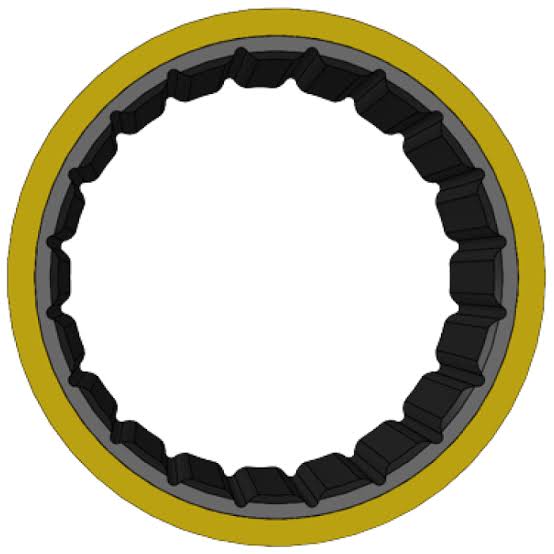
A water lubricated bearing is a mechanical component designed to support rotating shafts while using water to reduce friction between moving surfaces. Instead of relying on conventional lubricating oils or greases, it uses a controlled water supply to create a lubricating layer between the shaft and bearing surface.
These bearings are generally manufactured from water-resistant materials such as specialized rubber, polymers, and composite materials. Their construction allows them to function in environments where moisture exposure is constant.
Depending on the application, they can be designed to handle different loads, shaft speeds, temperatures, and water conditions. This flexibility makes them suitable for various marine and industrial systems.
How Do Water Lubricated Bearings Work?
The operating principle of these bearings involves maintaining a water film between the rotating shaft and the bearing’s internal surface.
When machinery starts operating, water enters the clearance between the shaft and bearing. As the shaft rotates, the movement of water helps develop a lubricating film under suitable operating conditions. This film reduces direct contact between the surfaces, minimizing friction and limiting wear.
The water also performs an important cooling function. Heat generated during mechanical operation is transferred into the flowing water and carried away from the bearing area. This helps maintain stable operating temperatures and protects the bearing materials from excessive thermal stress.
However, successful operation depends on sufficient water flow, appropriate shaft speed, correct bearing clearance, and suitable material selection. Without proper lubrication conditions, surface contact and wear may increase.
Role in Marine Equipment
Marine machinery is one of the most important application areas for water-lubricated bearing systems. Ships, boats, and other marine vessels use rotating shafts to transfer mechanical power to propellers.
Supporting Propeller Shafts
In marine propulsion systems, bearings support propeller shafts and help maintain proper shaft alignment during rotation. Water supplied from the surrounding environment can pass through the bearing clearance, providing lubrication and cooling.
This arrangement helps reduce friction while supporting smooth propulsion system operation.
Reducing Marine Pollution
Conventional oil-lubricated bearings may present leakage risks, particularly in marine environments. Oil entering seawater can negatively affect aquatic ecosystems.
Water-lubricated systems reduce dependence on petroleum-based lubricants and help minimize this environmental concern. This makes them an attractive option for vessels seeking more environmentally responsible engineering solutions.
Improving Operational Reliability
Marine equipment frequently operates under changing loads, vibration, and demanding environmental conditions. Properly designed water-lubricated bearings can provide dependable shaft support when their operating requirements are carefully considered.
Applications in Industrial Equipment
Beyond marine environments, water-lubricated bearings are also used in industrial machinery that operates with water or other compatible fluids.
Industrial Water Pumps
Water pumps depend on rotating shafts to move fluids through pipelines and processing systems. Water-lubricated bearings can support these shafts while reducing the need for separate grease or oil lubrication arrangements.
Hydropower Equipment
Hydroelectric facilities contain rotating machinery exposed to water during operation. Suitable bearing systems help support rotating components and manage friction and heat in these demanding environments.
Water Treatment Facilities
Water treatment plants use pumps, mixers, and other rotating equipment that operate continuously. Water-lubricated bearing technology can be suitable for selected applications where material compatibility and operating conditions are appropriate.
Industrial Processing Machinery
Certain manufacturing and processing systems also benefit from bearings designed for wet environments. Their suitability depends on factors such as fluid composition, operating temperature, pressure, and mechanical loading.
Key Benefits of Water Lubricated Bearings
Several advantages make these bearings attractive for marine and industrial applications.
- Environmental protection: Reduced dependence on oil-based lubricants helps lower the risk of lubricant contamination.
- Effective cooling: Flowing water carries away heat generated during operation.
- Reduced lubrication maintenance: Systems designed for water lubrication do not require conventional grease replenishment or oil changes.
- Corrosion-resistant construction: Specialized materials can withstand continuous exposure to suitable water environments.
- Operational efficiency: Proper lubrication helps reduce friction and supports smooth shaft movement.
Despite these benefits, water-lubricated bearings require appropriate operating conditions. Abrasive particles, inadequate water flow, unsuitable materials, and excessive loads can lead to premature wear.
Factors Affecting Bearing Performance
The performance of a water-lubricated bearing depends on several engineering considerations. Material selection is particularly important because bearing surfaces must withstand continuous water exposure and mechanical stress.
Water quality also matters. Sand, sediment, and other suspended particles can cause abrasive wear if they enter the bearing clearance. In addition, engineers must evaluate shaft speed, applied loads, operating temperature, and water circulation.
Regular inspections help identify unusual vibration, excessive wear, and changes in operating conditions before they develop into major mechanical problems.
When researching industrial bearing technologies and suitable engineering components, businesses can explore the technical resources provided by Techemer to better understand available solutions and application requirements.
Conclusion
Water-lubricated bearings support marine and industrial equipment by using water to reduce friction, manage heat, and protect moving surfaces. Their applications range from ship propulsion systems and industrial pumps to hydropower and water treatment machinery.
By reducing dependence on traditional lubricants, they also offer environmental and maintenance advantages. However, achieving reliable performance requires proper material selection, sufficient water circulation, and careful consideration of operating conditions. With appropriate design and maintenance, these bearings can contribute to efficient, dependable, and environmentally responsible mechanical systems.

