
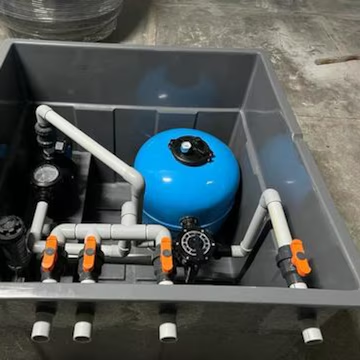

Pool pumps and filters are essential components of a swimming pool system. Pumps move water through the circulation network, while filters remove suspended particles and help maintain water clarity. When these components work together correctly, they support efficient circulation, effective filtration, and dependable pool operation.
Developing reliable pumps and filters requires careful engineering, suitable materials, precise manufacturing processes, and thorough product testing. Manufacturers must also consider energy efficiency, maintenance requirements, operating conditions, and compatibility with other pool equipment.
Understanding how these products are developed can help homeowners, contractors, distributors, and commercial pool operators make informed decisions when choosing equipment for new installations or replacement projects.
Understanding the Importance of Reliable Pool Pumps and Filters
A swimming pool relies on continuous water management to maintain suitable operating conditions. The pump provides the flow needed to move water through the filter and other connected equipment, while the filter captures particles that would otherwise remain suspended in the water.
If a pump fails, circulation may be interrupted. If a filter performs poorly or becomes excessively restricted, water flow and filtration effectiveness can decline.
Reliable equipment helps reduce unexpected maintenance, supports consistent performance, and makes pool operation easier to manage. For commercial facilities, dependable pumps and filters are particularly important because equipment downtime can disrupt daily operations.
Manufacturers therefore focus on designing products that meet defined performance requirements and remain suitable for their intended operating environments.
How Manufacturers Design Reliable Pool Pumps
Pump development begins with understanding the required flow rate, pressure conditions, installation layout, and expected operating schedule. Engineers use these requirements to determine the appropriate pump configuration and performance characteristics.
Hydraulic Design and Flow Optimization
The hydraulic design determines how water moves through the pump. Important components include the impeller, volute, inlet, and outlet passages.
Engineers evaluate how these components affect flow, pressure, turbulence, and energy consumption. A well-designed hydraulic system can deliver the required performance without unnecessary energy losses.
Manufacturers may use computer-aided design and simulation tools to examine different configurations before building physical prototypes. Testing then helps confirm whether the design performs as expected under practical conditions.
Motor Efficiency and Performance
The motor converts electrical energy into mechanical energy to drive the pump. Motor efficiency affects how much electricity the system consumes while delivering the required flow.
Manufacturers may develop efficient motors and compatible electronic controls to improve performance across different operating conditions. Variable-speed models allow users to adjust pump speed when full output is unnecessary.
These designs can reduce electricity consumption when the pump is correctly selected and programmed. Actual savings depend on the system’s hydraulic requirements, operating schedule, and local energy costs.
Mechanical Strength and Component Reliability
Pump components must withstand mechanical forces, vibration, pressure changes, and repeated operation. Bearings, seals, housings, and impellers all influence product reliability.
Manufacturers select materials according to the pump’s design and intended environment. They also evaluate component tolerances, assembly accuracy, and sealing performance to reduce the likelihood of leaks or premature wear.
Proper material selection is especially important when equipment is exposed to moisture, pool chemicals, or saltwater conditions.
How Manufacturers Develop Effective Pool Filters
Filter development focuses on removing suspended particles while allowing water to pass through at an appropriate flow rate. Manufacturers must balance filtration performance, pressure loss, maintenance requirements, and durability.
Different filtration technologies serve different applications, so product design depends on the type of filter being developed.
Sand Filter Design
Sand filters direct pool water through a bed of suitable filter media that captures particles. Manufacturers design the filter tank, internal distribution components, valves, and connections to support the required flow and pressure conditions.
Important quality considerations include tank strength, sealing, internal water distribution, and compatibility with the specified filtration media.
The filter must also be designed for its intended cleaning method, including backwashing where applicable.
Cartridge Filter Design
Cartridge filters use pleated filter elements to capture suspended particles. Their design involves selecting suitable filter media, pleat geometry, support structures, and housing dimensions.
Manufacturers evaluate how effectively water passes through the media and how the filter performs as particles accumulate. The design should provide an appropriate balance between filtration capacity, water flow, and cleaning frequency.
Cartridge filters generally do not require conventional backwashing, but their elements need periodic cleaning and eventual replacement.
Matching Filters to System Requirements
A filter must be compatible with the pump’s flow characteristics and the pool’s filtration needs. Excessive flow can affect performance, depending on the filter design and its rated limits.
Manufacturers provide specifications such as rated flow, pressure limits, connection sizes, and maintenance requirements to help buyers select suitable equipment.
Correct sizing and installation are essential because even a well-manufactured filter may perform poorly if it is operated outside its intended range.
Material Selection for Long-Term Reliability
Pool pumps and filters operate in conditions that can accelerate wear if materials are unsuitable. Moisture, chemical exposure, temperature changes, and mechanical stress all influence product durability.
Manufacturers evaluate different materials according to the components they will be used for and the conditions the equipment must withstand.
Common considerations include:
- Corrosion resistance: Materials must suit the pool’s water chemistry and installation environment.
- Mechanical strength: Housings and structural components must withstand their intended operating pressures and forces.
- Chemical compatibility: Seals, plastics, and other exposed components must be suitable for the chemicals they may encounter.
- Temperature tolerance: Materials must remain suitable within the product’s specified operating range.
- Wear resistance: Moving components need appropriate durability under normal operating conditions.
Manufacturers may conduct material inspections and component tests to verify that selected materials meet the product’s requirements.
Quality Control During Manufacturing
Reliable equipment depends on consistent manufacturing quality. Even a strong design can produce disappointing results if components are poorly made or assembled incorrectly.
Manufacturers use quality control procedures to identify defects and maintain consistency throughout production.
Component Inspection
Incoming materials and components may be checked for dimensions, appearance, material specifications, and other relevant characteristics.
For pumps, inspections may focus on impellers, motor components, shafts, seals, and housings. For filters, checks may include tank dimensions, filter media, internal assemblies, and sealing surfaces.
The inspection process depends on the product’s design and the risks associated with component failure.
Assembly Accuracy
Accurate assembly helps ensure that equipment operates as intended. Misaligned pump components, incorrectly fitted seals, or poorly secured connections can cause noise, leaks, vibration, or reduced performance.
Manufacturers may use standardized assembly procedures, calibrated tools, and in-process inspections to reduce these risks.
Consistent assembly is particularly important when products are manufactured in large quantities.
Final Product Testing
Finished products may undergo functional and performance tests before shipment. These tests help verify that the equipment meets specified requirements.
Pump testing can include flow, pressure, electrical performance, leakage, and operational checks. Filter testing may assess sealing, pressure resistance, and flow characteristics, depending on the product.
Buyers should ask manufacturers which tests are performed and whether relevant test documentation is available.
Testing Reliability Under Different Operating Conditions
Pool equipment must function within its specified operating range. Manufacturers therefore evaluate how pumps and filters respond to different conditions that may occur during normal use.
For pumps, testing may examine performance at different flow rates and pressure levels. Engineers may also investigate vibration, temperature, and electrical behavior.
For filters, testing can focus on pressure limits, sealing performance, flow distribution, and filtration characteristics. The exact procedures vary according to filter type and applicable standards.
Durability or endurance testing may also be used to identify potential weaknesses during repeated operation. These tests provide useful evidence, although they cannot guarantee an exact service life in every installation.
Product reliability ultimately depends on design quality, manufacturing consistency, correct installation, suitable operating conditions, and regular maintenance.
The Role of Product Specifications and Standards
Clear technical specifications help buyers determine whether a pump or filter is suitable for a particular pool.
Pump specifications may include flow rate, total dynamic head, motor power, electrical requirements, connection sizes, and operating limits. Filter specifications may include rated flow, filtration area or media requirements, pressure ratings, and cleaning instructions.
Manufacturers should provide information that allows installers and engineers to evaluate product suitability without relying on assumptions.
Applicable standards and certifications may provide additional evidence that a product has been assessed against defined requirements. Buyers should verify that any claimed certification applies to the exact model and intended application.
For commercial projects, equipment selection must also account for relevant local building, electrical, and health requirements.
Energy Efficiency and Water Conservation
Manufacturers increasingly consider resource efficiency when developing pumps and filters. Efficient circulation can reduce electricity consumption, while appropriate filtration design can support effective water treatment and maintenance.
Variable-speed pumps can adjust output to match changing demand. When properly configured, they may reduce the energy required for routine circulation compared with operating at unnecessarily high speeds.
Filter design also affects system efficiency. Excessive resistance can increase the work required from the pump, while unsuitable flow rates can compromise filtration performance.
Water conservation depends on the complete filtration system and its maintenance practices. For example, cartridge filters generally avoid the water discharge associated with conventional sand-filter backwashing, but their cleaning methods and replacement needs must also be considered.
The best solution depends on the pool’s design, water quality, operating schedule, and maintenance preferences.
How Manufacturers Improve Products Through Research and Development
Product development does not end when a pump or filter enters production. Manufacturers may continue evaluating customer feedback, maintenance records, testing results, and changes in technology to identify areas for improvement.
Research and development teams can investigate quieter motors, more efficient hydraulic designs, stronger materials, improved sealing systems, and easier-to-maintain filter components.
Computer simulations and prototypes allow engineers to compare design options before committing to full-scale manufacturing. Field performance information can then help identify whether further refinements are needed.
These improvements can benefit both residential and commercial applications, although the most valuable features differ according to the pool’s size, usage, and operating requirements.
Choosing a Reliable Pool Equipment Manufacturer
Buyers should evaluate more than a manufacturer’s product catalog or advertised performance. It is important to understand the company’s quality controls, technical documentation, support arrangements, and ability to supply suitable equipment.
When researching options, a Pool Equipment Manufacturer can be one starting point for exploring pool-related products and understanding available solutions.
Before making a purchasing decision, consider the following factors:
- Product suitability: Confirm that the pump and filter match the pool’s volume, plumbing layout, and operating requirements.
- Manufacturing quality: Ask about material inspections, assembly procedures, and final product testing.
- Performance documentation: Review specifications, operating limits, and applicable test reports.
- Energy efficiency: Compare power consumption and performance under similar operating conditions.
- Maintenance requirements: Check cleaning schedules, service procedures, and replacement-part availability.
- Warranty coverage: Understand the duration, exclusions, and claims process.
- Technical support: Confirm access to installation instructions and troubleshooting assistance.
- Long-term costs: Consider purchase price, energy use, maintenance, and potential replacement expenses.
A manufacturer that provides clear information makes it easier for buyers and installers to make technically sound decisions.
Maintenance Practices That Preserve Equipment Reliability
Even well-manufactured pumps and filters require proper care. Maintenance helps preserve performance, identify developing faults, and reduce unnecessary wear.
Pool owners should regularly inspect pump and skimmer baskets, clean filters according to manufacturer instructions, and monitor changes in pressure or water flow.
Other warning signs include unusual noise, visible leaks, air bubbles in return lines, and unexpected increases in energy consumption. These symptoms can have several causes, so a qualified pool technician should investigate persistent problems.
Equipment should also be operated within its specified limits. Running a pump at an unsuitable flow rate or allowing a filter to remain excessively clogged can reduce efficiency and place additional stress on the system.
Maintaining balanced water chemistry is equally important because unsuitable chemical conditions may damage components over time.
Conclusion
Developing reliable pool pumps and filters requires careful engineering, appropriate material selection, precise assembly, and thorough testing. Manufacturers must ensure that pumps deliver suitable circulation and that filters provide effective particle removal while operating within their specified limits.
Quality control, clear product documentation, energy-efficient designs, and ongoing research help manufacturers improve equipment performance and reliability. However, the final results also depend on correct sizing, compatible system components, professional installation, and regular maintenance.
By evaluating manufacturing practices and reviewing technical specifications before purchasing, pool owners, contractors, and commercial operators can select pumps and filters that support dependable circulation, efficient operation, and long-term pool performance.

