
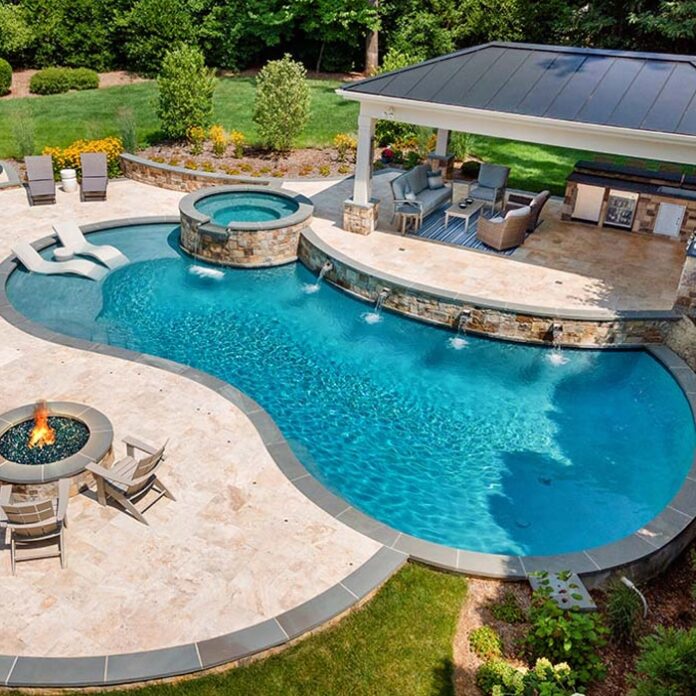

Designing a swimming pool for your home is an exciting project that can improve outdoor living, provide space for exercise, and create a relaxing environment for family and friends. However, a successful pool design requires careful planning, from choosing the right location to understanding construction costs and long-term maintenance needs.
A well-planned Custom Swimming Pool should complement your property’s layout, meet your household’s needs, and fit within your available budget. Before starting construction, homeowners should evaluate several important factors to ensure the finished pool is practical, safe, and suitable for everyday use.
1. Determine Your Primary Purpose
The first step in pool design is identifying how you intend to use the pool. Different purposes influence its size, depth, shape, and additional features.
For example, families with children may prioritize shallow areas and convenient entry points, while fitness enthusiasts might prefer a design that supports regular swimming workouts. Homeowners seeking relaxation may focus on comfortable seating, attractive surroundings, and water features.
Consider whether your pool will primarily support:
- Family recreation and entertainment
- Swimming for fitness and exercise
- Relaxation and stress relief
- Social gatherings and outdoor parties
- Therapeutic activities or low-impact exercise
Defining your priorities early helps prevent unnecessary expenses and makes it easier to select suitable design features.
2. Evaluate Your Available Space
The size and layout of your property play a significant role in determining which pool designs are practical. A large backyard may accommodate a traditional rectangular pool, while a smaller property might benefit from a compact plunge pool or a narrow swimming lane.
Measure the proposed installation area carefully, including the space needed for walkways, equipment, fencing, and seating. It is also important to consider existing trees, underground utilities, drainage systems, and nearby buildings.
The pool should leave enough room for people to move comfortably around the water. A balanced layout improves accessibility and helps the outdoor area remain functional rather than overcrowded.
3. Establish a Realistic Budget
Pool construction involves more than the initial installation price. Homeowners should account for the full cost of ownership before committing to a design.
Depending on the project, expenses may include excavation, structural materials, plumbing, electrical work, filtration systems, finishing materials, landscaping, and safety barriers.
Additional costs can arise from difficult site conditions, drainage improvements, or specialized features. For this reason, obtaining detailed estimates from qualified professionals is an important part of the planning process.
A practical budget should also include recurring expenses such as water treatment, electricity, cleaning supplies, equipment servicing, and seasonal preparation. Setting aside a contingency fund can help cover unexpected construction costs.
4. Choose the Right Pool Size and Shape
Pool dimensions should reflect the available space, intended activities, and number of regular users. A larger pool may offer more room for recreation, but it can also require additional construction materials, water, energy, and maintenance.
Rectangular pools are popular for their clean appearance and suitability for swimming laps. Freeform designs can create a more natural look, while compact geometric pools may work well in contemporary outdoor spaces.
When choosing a shape, consider how it will interact with the surrounding architecture and landscape. The best design is one that balances appearance, functionality, and maintenance requirements.
Depth is equally important. A pool intended for casual family use may require different depth zones from one designed for dedicated swimming or specialized activities. Any diving area must meet applicable depth, clearance, and safety requirements.
5. Select Suitable Construction Materials
The materials used to build a pool affect its durability, appearance, installation process, and maintenance requirements. Common options include concrete, fiberglass, and vinyl-liner systems, although availability and suitability vary by location.
Concrete pools offer substantial design flexibility, making them useful for unusual shapes and customized dimensions. However, construction can take longer, and the finished surface may require periodic resurfacing.
Fiberglass pools generally use factory-manufactured shells, which can shorten installation time when a suitable model and site conditions are available. Their dimensions and shapes are more limited by the available shell designs.
Vinyl-liner pools can offer flexibility in size and shape at a different initial cost structure, but the liner may eventually need replacement.
Compare the expected lifespan, maintenance requirements, repair options, and local contractor expertise for each material before making a decision.
6. Consider the Site Conditions
A professional site assessment can identify potential construction challenges before work begins. Soil composition, groundwater levels, slope, and existing drainage conditions may all influence the design and installation method.
For example, a sloped backyard might require retaining structures or additional excavation. Areas with high groundwater levels may need specialized drainage or engineering measures to protect the pool structure.
Access for construction equipment is another important consideration. Narrow gates, limited vehicle access, and nearby structures can affect project scheduling and costs.
Before excavation, confirm the locations of underground utilities and review local requirements for property boundaries, permits, and construction approvals.
7. Plan Filtration, Circulation, and Water Treatment
A swimming pool needs an effective circulation and filtration system to maintain clear, hygienic water. These systems should be selected according to the pool’s volume, expected usage, and environmental conditions.
Pumps circulate water through the filtration system, while filters capture suspended particles. Appropriate sanitization helps control microorganisms, and regular testing keeps the water chemistry within recommended ranges.
Homeowners should also consider energy efficiency when choosing pumps and other equipment. Properly sized systems, efficient operating schedules, and suitable controls can reduce unnecessary electricity consumption without compromising water quality.
Easy access to equipment is essential as well. Pumps, filters, valves, and treatment devices should be installed where routine inspections and repairs can be carried out safely.
8. Include Safety Features From the Beginning
Safety should be integrated into the design rather than treated as an afterthought. This is especially important for households with young children, older adults, or people with limited mobility.
Depending on local regulations and household needs, useful features may include:
- Secure pool fencing and self-closing, self-latching gates
- Slip-resistant surfaces around the pool
- Clearly visible steps, edges, and changes in water depth
- Suitable handrails and entry steps
- Compliant pool covers or other approved protective barriers
- Adequate lighting for nighttime visibility
Electrical installations must also meet applicable safety standards, particularly around water. Pool alarms and covers may provide additional protection, but they should never replace active supervision of children.
Consult local building codes and qualified pool professionals to determine which safety measures are required for your property.
9. Think About Energy and Water Efficiency
Energy and water consumption can have a noticeable effect on the ongoing cost of pool ownership. Choosing efficient equipment during the design stage can help control these expenses over time.
Variable-speed pumps, where suitable, can adjust their operating speed to match circulation needs. Pool covers can reduce evaporation and heat loss, while properly selected heating systems can improve temperature control.
Landscaping can also influence efficiency. Windbreaks may reduce heat loss in exposed areas, and thoughtful positioning can help balance sunlight, shade, and privacy.
Water conservation should be part of the plan as well. Leak prevention, sensible backwashing practices, and appropriate water-level management help reduce waste.
10. Design the Surrounding Outdoor Area
A swimming pool should work naturally with the rest of your outdoor space. The surrounding area affects comfort, accessibility, maintenance, and the overall appearance of the property.
Consider how people will move between the house, pool, changing areas, and outdoor seating. Paths should be practical and safe, with enough space for regular movement and gatherings.
Choose decking and paving materials that are appropriate for wet conditions, comfortable underfoot, and resistant to the local climate. Plants should be selected carefully because excessive leaf litter, invasive roots, or high pollen levels may increase maintenance needs.
If outdoor dining, shaded seating, or a shower area is important, include these features in the initial layout rather than trying to fit them into the space later.
11. Understand Maintenance Requirements
Every swimming pool requires regular care, but the amount of work varies depending on its design, equipment, surroundings, and frequency of use.
Typical maintenance tasks include testing water chemistry, cleaning surfaces, removing debris, inspecting pumps and filters, and checking for leaks. Some systems automate selected tasks, but routine monitoring is still necessary.
Think about how much time you can realistically dedicate to maintenance. A simpler design with accessible equipment and manageable landscaping may be more practical than one with numerous decorative features or difficult-to-reach surfaces.
Discuss servicing requirements and the availability of replacement parts with your installer before selecting major equipment.
12. Research Local Regulations and Professional Support
Pool construction may require permits, inspections, and compliance with specific building, electrical, plumbing, and safety regulations. Requirements vary by location, so confirm the applicable rules before finalizing the design.
Some properties may also have restrictions related to setbacks, easements, drainage, or homeowners’ association guidelines.
When selecting a contractor, review relevant experience, references, insurance coverage, and the clarity of the proposed contract. Ask for a written breakdown of the work, materials, project schedule, payment terms, and warranty conditions.
Clear communication with qualified professionals helps identify potential problems early and reduces the risk of misunderstandings during construction.
13. Consider Future Needs and Flexibility
A pool should suit your current lifestyle while remaining practical as your needs change. Families may eventually require different recreational arrangements, while homeowners may place greater importance on accessibility or easier maintenance over time.
Consider whether the design can accommodate future upgrades, such as more efficient equipment, improved lighting, additional seating, or automated controls.
It is often easier to plan for electrical connections, plumbing access, and equipment space during initial construction than to modify them later. Prioritizing flexibility can help protect the long-term usefulness of your investment.
Conclusion
Designing a swimming pool for your home involves much more than selecting an attractive shape. Homeowners need to consider their intended use, available space, budget, construction materials, site conditions, water treatment, safety, and long-term operating costs.
By evaluating these factors before construction begins, you can make informed decisions and develop a pool design that fits your property and lifestyle. Careful planning, professional guidance, and realistic expectations help create a swimming environment that remains functional, comfortable, and enjoyable for years to come.

