
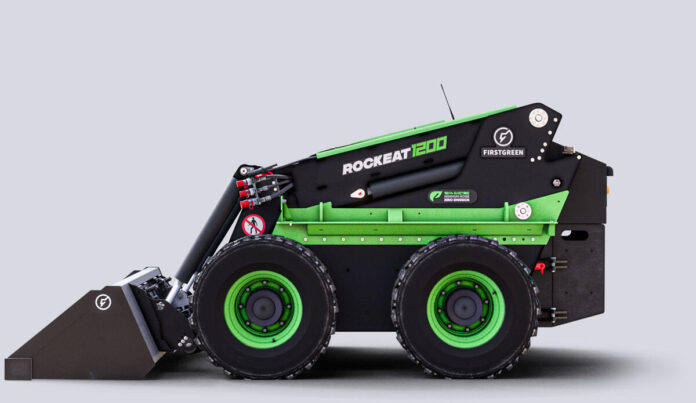

An electric skid steer loader is a compact construction machine powered by an electric battery instead of a traditional diesel engine. It is designed to perform various tasks, including material handling, excavation, site preparation, and debris removal. Its compact size and maneuverability make it useful for construction sites, warehouses, farms, and other environments where larger equipment may be difficult to operate.
For beginners, understanding how this equipment works can help determine whether it is suitable for a particular job. An Electric Skid Steer Loader combines the versatility of conventional skid steer machinery with electric power, offering an alternative for businesses seeking lower operating noise and reduced on-site exhaust emissions.
What Is an Electric Skid Steer Loader?
An electric skid steer loader is a small, highly maneuverable machine that uses electric motors and a rechargeable battery to power its movement and working functions. Like conventional skid steer loaders, it can turn within a tight space by moving its wheels or tracks at different speeds or in opposite directions.
The machine typically features a front-mounted lift arm system that supports interchangeable attachments. These attachments allow operators to complete different jobs without needing separate specialized machines for every task.
Electric models are available in different sizes and configurations. Their lifting capacity, battery capacity, travel speed, and hydraulic performance vary depending on the model and intended application.
How Does an Electric Skid Steer Loader Work?
Electric skid steer loaders use stored electrical energy to operate their drive systems and working equipment. Although the basic operating principles are similar to those of diesel-powered machines, the power source and energy management systems are different.
Battery and Electric Motor
The battery stores the energy required to operate the machine. When the operator activates the controls, the electrical system supplies power to the relevant motors.
Depending on the design, separate motors may control travel and hydraulic functions. This arrangement can provide responsive control and reduce the number of conventional engine-related components.
Hydraulic System
Many electric skid steer loaders use hydraulic systems to raise and lower the lift arms, tilt the bucket, and operate compatible attachments. An electric motor can power a hydraulic pump, which delivers pressurized fluid to the necessary cylinders and motors.
The hydraulic system’s capacity and flow rate influence which attachments the machine can operate effectively.
Operator Controls
Operators use controls to steer the machine, adjust its speed, raise or lower the lift arms, and operate attachments. Before working, beginners should understand the control layout, safety interlocks, load limits, and emergency procedures specified by the manufacturer.
Key Components of an Electric Skid Steer Loader
Understanding the main components makes it easier for new operators to learn how the machine functions and what maintenance it requires.
- Battery pack: Stores electrical energy for driving and working operations.
- Electric motors: Convert electrical energy into mechanical power.
- Drive system: Controls movement, steering, and maneuverability.
- Hydraulic system: Powers lifting, tilting, and compatible hydraulic attachments.
- Lift arms: Raise and position materials or equipment.
- Attachments: Expand the machine’s capabilities for different applications.
- Charging system: Replenishes the battery using a compatible power supply.
- Operator station: Contains the controls, displays, and safety features needed to operate the machine.
The quality, configuration, and capacity of these components affect overall productivity, operating time, and maintenance requirements.
Common Applications of Electric Skid Steer Loaders
Electric skid steer loaders can support a wide range of activities, particularly where compact equipment and reduced exhaust emissions are important.
Indoor Construction and Renovation
Electric models can be useful in enclosed or partially enclosed work areas, such as industrial buildings, warehouses, and renovation sites. Because they produce no exhaust emissions at the point of use, they can reduce the need to manage engine exhaust inside these spaces.
However, adequate ventilation may still be necessary because other equipment, materials, and construction processes can create airborne hazards.
Material Handling
With the appropriate bucket, fork attachment, or other approved equipment, an electric skid steer loader can move soil, aggregate, pallets, and construction materials. Its compact design helps operators work in confined areas where larger machines may struggle to maneuver.
Landscaping and Agriculture
Electric skid steer loaders can assist with moving soil, distributing mulch, cleaning work areas, and handling materials around farms or landscaped properties. The appropriate attachment depends on the material, ground conditions, and machine capacity.
Municipal and Commercial Maintenance
These machines may also be suitable for facility maintenance, property management, and selected municipal tasks. Their relatively quiet operation can be beneficial in locations where noise restrictions or nearby occupants are important considerations.
Electric Skid Steer Loader vs. Diesel Skid Steer Loader
Electric and diesel skid steer loaders perform many of the same tasks, but their power systems create important differences.
| Feature | Electric Model | Diesel Model |
|---|---|---|
| Power source | Rechargeable battery | Diesel engine |
| Exhaust emissions | None at the point of use | Produces exhaust during operation |
| Operating noise | Generally quieter | Generally louder |
| Refueling or recharging | Requires charging time and suitable electrical infrastructure | Requires diesel refueling |
| Routine maintenance | No engine oil or diesel fuel filter changes; other maintenance remains necessary | Includes engine and fuel-system maintenance |
| Working duration | Depends on battery capacity, workload, and charging access | Depends on fuel capacity and consumption |
| Typical suitability | Indoor work and noise-sensitive sites, depending on specifications | Long shifts and sites where rapid refueling is practical |
Neither power source is automatically the best choice for every application. Electric machines may suit businesses that can plan charging around their schedules, while diesel machines may be more practical for remote sites or operations that require continuous work without charging breaks.
Advantages of Electric Skid Steer Loaders
Electric skid steer loaders offer several potential benefits, although the actual results depend on the model and operating conditions.
Reduced On-Site Exhaust Emissions
Electric machines do not produce exhaust emissions during normal operation. This characteristic can make them particularly useful for indoor work and projects with strict local emission requirements.
Their overall environmental impact still depends on factors such as electricity generation, battery production, and battery disposal.
Lower Operating Noise
Electric motors generally produce less operating noise than diesel engines. Reduced noise can improve working conditions and make the equipment more suitable for residential areas, commercial facilities, and other noise-sensitive locations.
Hydraulic systems, tires, attachments, and contact with materials can still generate significant noise.
Potentially Lower Routine Maintenance
Electric machines do not require several diesel-engine maintenance tasks, including engine oil changes, diesel filter replacements, and exhaust-system servicing.
However, operators must still inspect tires or tracks, hydraulic hoses, electrical connections, safety systems, attachments, and other wear components. Battery condition and charging equipment also require appropriate care.
Precise Operation
Electric drive systems can provide responsive control, depending on the machine’s design. This can help operators perform careful movements in confined spaces, handle materials accurately, and navigate around obstacles.
What Should Beginners Consider Before Buying?
Selecting an electric skid steer loader requires more than comparing purchase prices. Buyers should evaluate the machine’s specifications against the actual demands of their work.
1. Operating Capacity
Check the rated operating capacity, tipping load, lift height, and attachment compatibility. The machine should handle the intended materials safely without exceeding its specified limits.
Remember that the weight and configuration of an attachment can affect the available lifting capacity.
2. Battery Capacity and Runtime
Battery capacity influences how long the machine can work between charges, but capacity alone does not determine actual runtime. Heavy loads, frequent lifting, travel distance, temperature, and hydraulic demand all affect energy consumption.
Ask for runtime estimates based on realistic working conditions rather than relying exclusively on ideal laboratory figures.
3. Charging Requirements
Determine how long charging takes, which electrical supply is required, and whether the worksite has suitable charging facilities. Consider whether charging can take place during breaks, overnight, or between shifts.
For demanding applications, access to a second machine or a planned charging schedule may help maintain productivity.
4. Machine Size and Maneuverability
Measure entrances, corridors, loading areas, and turning spaces before choosing a model. Also consider the machine’s operating width, height, ground clearance, and weight.
A compact machine may offer better access, but it must still have sufficient capacity for the work.
5. Service and Parts Availability
Before purchasing, investigate the availability of qualified technicians, replacement components, battery support, and technical documentation. Reliable service access can reduce downtime when repairs or scheduled maintenance are required.
Basic Maintenance Tips for Electric Skid Steer Loaders
Proper maintenance helps protect the machine’s performance, safety, and service life. Beginners should follow the manufacturer’s maintenance schedule and avoid performing electrical work without the required training.
Recommended practices include:
- Inspect tires or tracks, lift arms, attachment connections, and hydraulic hoses before use.
- Check battery charge levels and monitor the machine’s warning indicators.
- Use only compatible charging equipment and inspect charging cables for damage.
- Keep battery compartments and electrical connections clean according to the manufacturer’s instructions.
- Check hydraulic fluid levels and inspect for leaks as specified in the maintenance manual.
- Clean the machine after operation, preventing dirt and debris from accumulating around moving parts.
- Report unusual noises, overheating, warning lights, or unexpected changes in performance.
- Park safely and follow the prescribed shutdown and charging procedures.
Never attempt to open or repair high-voltage battery components unless qualified to do so. Damaged batteries and charging equipment should be handled according to the manufacturer’s safety procedures.
Safety Guidelines for New Operators
Electric skid steer loaders are powerful machines, and their compact size does not eliminate operational risks. Common hazards include crushing, tipping, falling loads, unexpected movement, and contact with attachments.
Before operating one, beginners should receive appropriate training and read the operator’s manual.
Important precautions include wearing the required personal protective equipment, keeping bystanders away from the working area, using the seat belt and restraint system, and maintaining clear visibility while moving materials.
Operators should also avoid exceeding load limits, follow safe procedures on slopes, and never stand beneath raised lift arms. Attachments should be installed and secured according to the manufacturer’s instructions.
Frequently Asked Questions
How long can an electric skid steer loader operate on one charge?
Operating time varies by battery capacity, workload, machine configuration, and environmental conditions. Light-duty tasks may consume less energy than continuous lifting or heavy material handling. Consult the manufacturer’s runtime estimates and evaluate them against your expected daily workload.
Can an electric skid steer loader replace a diesel model?
It can replace a diesel machine in many applications, provided its capacity, runtime, charging arrangements, and attachments meet the job requirements. Operations involving remote locations or extended shifts may need additional planning to manage charging.
Are electric skid steer loaders suitable for indoor use?
Yes, many electric models are well suited to indoor applications because they produce no exhaust emissions at the point of use and generally operate more quietly than diesel machines. Buyers should still check dimensions, ventilation requirements, floor loading limits, and site-specific safety rules.
Are electric skid steer loaders expensive to maintain?
Maintenance costs depend on the model, workload, labor rates, battery condition, and parts availability. Electric models may reduce some engine-related maintenance expenses, but battery servicing, hydraulic repairs, tires or tracks, and electrical-system maintenance can still contribute to total ownership costs.
What attachments can an electric skid steer loader use?
Depending on its hydraulic flow, electrical configuration, rated capacity, and attachment interface, a machine may support buckets, pallet forks, grapples, and selected augers or other tools. Always verify compatibility and the manufacturer’s approved operating limits before connecting an attachment.
Conclusion
An electric skid steer loader is a versatile machine that combines compact maneuverability with battery-powered operation. It can be particularly valuable for construction, material handling, landscaping, and maintenance tasks where reduced on-site exhaust emissions and lower operating noise are priorities.
For beginners, the most important factors are understanding the machine’s operating principles, selecting the correct capacity, planning charging requirements, and following safe operating and maintenance procedures. Comparing these practical considerations with the demands of the worksite helps businesses determine whether an electric model is a suitable long-term equipment investment.

