
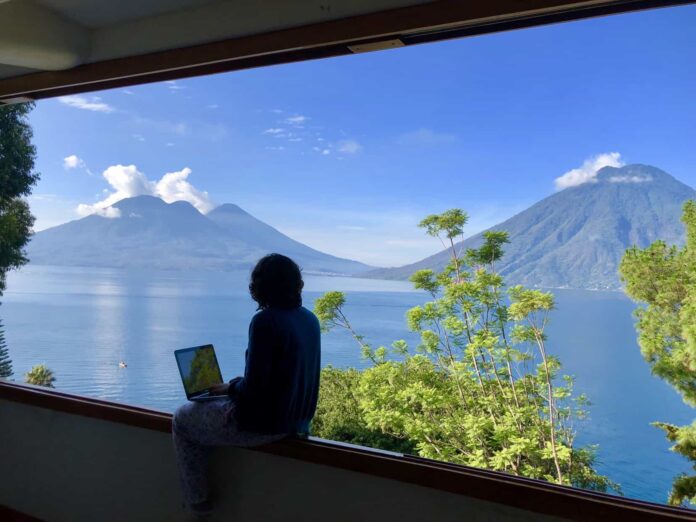

Becoming a digital nomad as a parent can create an exciting opportunity to combine work, travel, education, and family life. For single parents, however, the experience comes with additional responsibilities. Managing work deadlines, childcare, travel arrangements, finances, and everyday parenting requires careful planning.
A single parent digital nomad lifestyle can work well when travel plans are built around realistic routines rather than constant movement. The goal is to create a sustainable lifestyle where both the parent and child have enough structure, security, and time to enjoy the experience.
What Is a Single Parent Digital Nomad?
A single parent digital nomad is a parent who works remotely while traveling or living in different locations with their child or children.
Instead of being tied to a permanent office, the parent may work through remote employment, freelancing, consulting, online business, or other location-independent arrangements.
The lifestyle can provide greater flexibility, but it also means the parent is responsible for coordinating many aspects of family life independently.
Consider Whether the Lifestyle Fits Your Family
Before making major travel plans, consider your family’s needs and circumstances.
Think about:
- Your child’s age and personality
- Your work schedule
- Your income stability
- Education requirements
- Healthcare needs
- Childcare options
- Preferred travel pace
- Access to family or support networks
- Visa and residency requirements
There is no single way to become a digital nomad parent. Some families may prefer slow travel, while others may spend several months in one destination before moving.
Establish a Stable Remote Income
Financial stability is one of the most important parts of long-term travel.
A single parent may have fewer opportunities to divide work and childcare responsibilities, so having predictable income can make the lifestyle easier to manage.
Potential sources of remote income include:
- Remote employment
- Freelancing
- Consulting
- Online teaching
- Digital services
- E-commerce
- Content creation
- Online businesses
Before traveling, calculate your average monthly income and compare it with your expected family expenses.
It is also useful to have an emergency fund that can cover unexpected costs.
Create a Family Travel Budget
Travel expenses can vary significantly depending on the destination and lifestyle.
Your budget should include both regular expenses and occasional costs.
Consider:
- Accommodation
- Food and groceries
- Transportation
- Flights
- Childcare
- Education
- Healthcare
- Travel insurance
- Internet
- Visas
- Activities
- Emergency expenses
Leave room for unexpected costs rather than budgeting every dollar toward planned activities.
Choose Destinations Carefully
Destination selection becomes especially important when traveling as a single parent.
Look for places that provide practical access to essential services and family-friendly amenities.
Healthcare
Research hospitals, clinics, pharmacies, and emergency services before arriving.
Education
Explore local schools, international schools, homeschooling regulations, and online learning options depending on your child’s needs.
Transportation
Destinations with reliable public transportation or walkable neighborhoods can make daily life easier.
Internet
Reliable internet is essential if your income depends on remote work.
Family Activities
Parks, libraries, museums, sports facilities, and community programs can give children opportunities to learn and socialize.
Build a Reliable Childcare Strategy
Childcare can be one of the biggest challenges for a single parent working remotely.
Even if you work from home, caring for a child during working hours may make it difficult to attend meetings or complete focused tasks.
Depending on the destination, consider:
- Local childcare centers
- International schools
- Babysitting services
- Short-term childcare programs
- Family support
- Activity-based programs
Always research childcare providers carefully and consider whether they are appropriately licensed and suitable for your child’s age.
Create a Predictable Daily Routine
Children often benefit from having predictable routines, particularly when they are regularly exposed to new environments.
A simple daily schedule might include:
Morning: Breakfast and education
Late morning: Childcare or independent activities while the parent works
Afternoon: Family activities or exploration
Evening: Dinner, relaxation, and preparation for the next day
The schedule can change when necessary, but keeping certain elements consistent can make transitions easier.
Separate Work and Parenting Time
Remote work can blur the boundaries between professional and family responsibilities.
Set specific working hours whenever possible.
During those hours, children should have a safe and engaging activity or appropriate childcare. Once work ends, try to create uninterrupted family time.
Clear boundaries can reduce the feeling that work is competing with parenting throughout the entire day.
Consider Slow Travel
Frequent movement may sound exciting, but it can create additional logistical challenges for a single parent.
Moving every few days means repeatedly dealing with transportation, packing, accommodation, internet setup, groceries, and unfamiliar surroundings.
Staying for several weeks or months can provide more stability.
Slow travel may also make it easier to establish routines, find childcare, build friendships, and understand the local area.
Think About Your Child’s Education
Education should be considered before choosing a destination.
Depending on your circumstances, your child might attend a local or international school, participate in online education, or follow a homeschooling approach where legally appropriate.
Travel can also complement formal education.
Children can learn through museums, historical sites, cultural experiences, nature, local languages, and everyday interactions.
The important thing is to create an educational approach that is consistent enough to support your child’s development.
Help Your Child Make Friends
Social connections are important for children, especially when traveling frequently.
Look for opportunities to meet other families through:
- Schools
- Sports clubs
- Libraries
- Community centers
- Language classes
- Family events
- Children’s activities
- Local hobby groups
Staying longer in one destination can make these relationships easier to develop.
Prepare Your Child for Change
Moving between countries can be exciting, but it can also be challenging for children.
Talk with your child before each move.
Explain where you are going, what the journey will involve, and what they can expect when you arrive.
Let them ask questions and express concerns.
Keeping familiar belongings, routines, foods, or family traditions can provide a sense of stability even when the surroundings change.
Make Your Child Part of the Planning
Children can become more enthusiastic about travel when they have some control over age-appropriate decisions.
Let your child help choose activities, research destinations, learn simple phrases in a new language, or select places they would like to visit.
This can also turn travel into an educational experience.
Plan Around Your Work Schedule
Not every destination will suit every remote worker.
If you have frequent video meetings, consider time-zone differences before booking accommodation.
A destination that requires you to work late at night may affect both your productivity and your child’s routine.
Whenever possible, choose locations and schedules that allow your professional responsibilities and family life to coexist comfortably.
Make Internet Access a Priority
Reliable connectivity is essential for most digital nomads.
Before booking accommodation, confirm the quality and reliability of the internet.
Consider having a backup option such as mobile data or a secondary connection.
This is particularly important if you regularly attend video conferences or have time-sensitive work responsibilities.
Organize Important Documents
Traveling internationally with children requires careful document management.
Keep secure copies of:
- Passports
- Birth certificates
- Medical records
- Insurance documents
- School records
- Visa paperwork
- Emergency contacts
- Consent documents when applicable
Check expiration dates before traveling and make sure important documents can be accessed securely when needed.
Understand Visa Requirements
Visa rules vary between countries and can change over time.
Before committing to a destination, research the rules that apply to both you and your child.
Depending on the country, you may need to consider tourist visas, long-stay options, residence permits, dependent documentation, or digital nomad programs.
Always check current requirements through official government or immigration sources before making arrangements.
Protect Your Health and Wellbeing
Single parenting while working and traveling can be demanding.
Build regular rest into your schedule.
You do not need to explore every attraction or fill every day with activities.
Quiet days can provide time to catch up on work, prepare meals, do laundry, read, relax, and reconnect as a family.
Parents also need personal downtime when possible. Even small periods of rest can make long-term travel more sustainable.
Create an Emergency Plan
A backup plan is particularly valuable when you are the only parent traveling with your child.
Prepare for situations such as illness, transportation disruptions, lost documents, accommodation problems, or unexpected financial expenses.
Keep emergency contacts accessible and know where to find medical care.
It can also help to have more than one payment method, backup accommodation options, and emergency savings.
Connect With Other Families
Community can make a major difference in a nomadic lifestyle.
Look for local parent groups, family communities, schools, activity clubs, and online networks.
Meeting other traveling families can provide social opportunities for children and practical support for parents.
A strong community can also make an unfamiliar destination feel more comfortable.
Start With a Trial Trip
You do not need to commit to long-term international travel immediately.
Consider starting with a shorter trip.
A trial period can help you discover:
- How much work time you need
- What type of accommodation works best
- How your child handles travel
- How much childcare you require
- What your actual expenses look like
- How quickly you prefer to move
Use the experience to adjust your plans before extending the lifestyle.
Accept That Plans Will Change
Flexibility is essential for long-term family travel.
A destination may not work as expected. Your workload may change. Your child may need more stability. Expenses may be higher than anticipated.
Changing your plans is not necessarily a setback.
A successful nomadic lifestyle is one that can adapt to changing family needs.
Focus on Quality Family Time
Travel is ultimately about more than visiting new places.
Make time for simple experiences such as cooking together, visiting parks, reading, playing games, exploring local neighborhoods, or enjoying a quiet afternoon.
These ordinary moments can become some of the most meaningful parts of the journey.
Final Thoughts
Being a single parent while working and traveling with children requires thoughtful preparation, but it can also create opportunities for flexibility, cultural learning, and meaningful family experiences.
The key is to build a lifestyle around realistic priorities.
Stable income, suitable childcare, a manageable travel pace, reliable accommodation, education planning, healthcare preparation, and clear work boundaries can make the experience more sustainable.
Rather than trying to see as much of the world as possible, focus on creating a routine that works for both parent and child. With the right preparation and willingness to adapt, long-term travel can become a practical family lifestyle rather than simply an extended vacation.

