
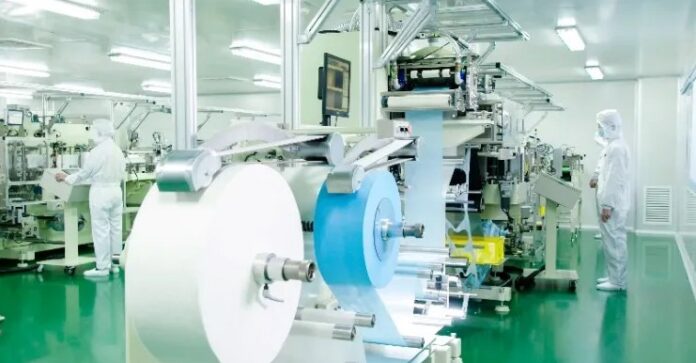

Production capacity matters when choosing a manufacturing partner for a new or growing skincare brand. A supplier may offer excellent products, yet limited capacity can create delays when your order volume increases.
A capable facial mask manufacturer should have enough resources to handle your current requirements while supporting future growth. Evaluating equipment, workforce, production systems, lead times, and quality controls can help you determine whether a manufacturer fits your business needs.
Start With Actual Production Capacity
Manufacturers may describe capacity using monthly or annual production figures. These numbers provide a useful starting point, but they do not tell the entire story.
Ask how much capacity the facility can dedicate to your specific facial mask products. A manufacturer’s total output may include several product categories, so available capacity could differ from its overall production figure.
Understanding dedicated capacity gives you a more realistic picture of what the manufacturer can deliver.
Examine Manufacturing Equipment
Production equipment directly affects how efficiently a facility can manufacture facial masks. Modern and properly maintained machinery can support consistent output and reduce avoidable production interruptions.
Ask about the equipment used for key stages such as mask preparation, essence filling, sealing, packaging, and inspection.
You should also determine whether the manufacturer has enough equipment to handle larger orders without creating excessive production bottlenecks.
Check Minimum Order Quantities
Minimum order quantity provides another useful indication of how a manufacturer handles different production volumes.
A company that works with both emerging and established brands may offer different production arrangements depending on product type and order size.
Before placing an order, confirm the minimum quantity, standard batch sizes, and whether the manufacturer can accommodate gradual increases in volume.
Evaluate Lead Times
Production capacity has little value when a manufacturer cannot meet agreed schedules. Ask about typical development, production, and delivery timelines.
Lead times may vary depending on formulation complexity, raw material availability, packaging requirements, order size, and production schedules.
It helps to ask how the manufacturer handles periods of high demand. A clear answer can reveal how well the company plans its production workload.
Assess Scalability for Future Growth
Your current order may not represent your future needs. A skincare line can grow quickly after successful marketing, retail expansion, or entry into new markets.
A suitable manufacturing partner should have a reasonable plan for handling increased demand. Ask whether the facility can increase output and what conditions may affect that expansion.
Scalability can prevent the need to change suppliers just when your brand starts gaining traction.
Review Raw Material Supply
Production capacity depends partly on the availability of ingredients and packaging materials. A manufacturer cannot maintain a steady production schedule when essential materials arrive late.
Ask how the company manages raw material procurement and inventory planning. You can also discuss whether specific ingredients or packaging components require advance ordering.
Reliable material planning can help reduce interruptions during larger production runs.
Consider Workforce and Production Management
People remain an important part of manufacturing capacity. Skilled employees operate equipment, monitor production, conduct inspections, and address issues that arise during manufacturing.
A well-organized production team can help a facility maintain consistent workflows as order volumes change.
Ask how the manufacturer manages staffing during busy periods and how it maintains production standards when handling larger orders.
Look at Quality Control Capacity
Increasing production volume should not mean sacrificing product quality. A manufacturer needs quality control procedures that can keep pace with its output.
Review how the company checks raw materials, formulas, mask materials, filling quantities, packaging, and finished products.
A strong quality system helps ensure that larger orders receive the same level of attention as smaller production runs.
Ask About Production Scheduling
A manufacturer may have substantial equipment and still face capacity limitations because of its existing production schedule.
Ask how far ahead production slots typically need to be reserved. Find out whether the manufacturer schedules orders based on confirmed purchase orders, production priorities, or available equipment.
This information can help you plan launches and inventory replenishment more accurately.
Examine Packaging Capabilities
Facial mask production often involves more than manufacturing the mask itself. Filling, pouch production, sealing, labeling, and final packing also affect overall capacity.
Confirm whether packaging takes place within the same facility or through coordinated external suppliers.
Integrated packaging capabilities can simplify production management, particularly for brands that require customized packaging.
Request Evidence of Similar Orders
One practical way to assess production capacity involves asking about comparable projects. A manufacturer with experience handling products similar to yours may provide a better indication of its capabilities.
You can ask about experience with:
- Similar mask formats
- Comparable order volumes
- Customized formulations
- Specialized packaging
- International distribution
- Repeat production schedules
The goal involves understanding whether the manufacturer’s experience matches your expected requirements.
Understand How the Manufacturer Handles Peak Demand
Seasonal campaigns, promotions, and successful product launches can suddenly increase demand. A manufacturer should have processes for managing temporary increases in production requirements.
Ask how the facility prioritizes orders during busy periods and how far in advance additional capacity needs to be discussed.
Nox Bellcow Cosmetics works with beauty brands that may have different production requirements, making capacity planning an important part of the manufacturing relationship.
Compare Capacity With Your Business Plan
Production capacity should always match your own sales expectations. Ordering far more inventory than necessary can tie up capital, while insufficient production capacity can create stock shortages.
Estimate your expected demand and compare it with the manufacturer’s realistic production capabilities.
Consider both your initial launch volume and potential growth over the following months. This approach helps you choose a partner based on your actual business strategy rather than a single order.
Questions to Ask Before Choosing a Manufacturer
Before signing a manufacturing agreement, ask direct questions about capacity and scheduling.
Useful questions include:
- What is your current production capacity?
- How much capacity can you allocate to my products?
- What are your minimum order quantities?
- How long does a typical production run take?
- How do you handle urgent or larger orders?
- Can you support increased demand later?
- How do you manage raw material availability?
- What quality checks occur during high-volume production?
Clear answers can help you identify potential limitations before they affect your launch.
Choose Capacity With Long-Term Growth in Mind
Evaluating a manufacturer’s production capacity requires more than looking at a single monthly output number. Equipment, staffing, raw material planning, scheduling, quality control, packaging, and scalability all influence a manufacturer’s ability to fulfill orders reliably.
Nox Bellcow Cosmetics offers manufacturing support for brands developing and producing facial mask products. By assessing a manufacturer’s capabilities against both current requirements and future demand, skincare brands can make a more informed decision and build a stronger foundation for long-term product growth.

