
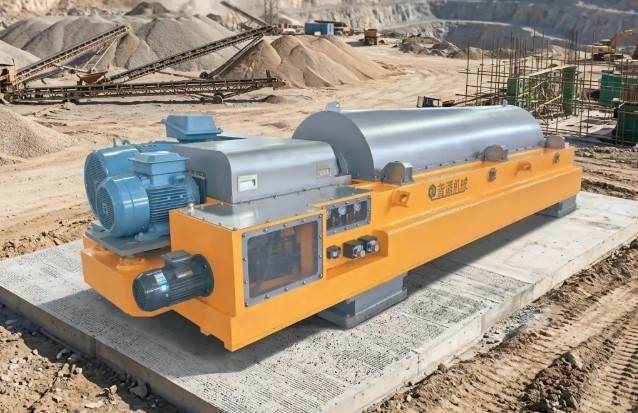

Industrial centrifuges often operate in environments where abrasive solids, corrosive materials, high temperatures, and continuous workloads place significant demands on equipment. These conditions require careful engineering to maintain stable performance and extend service life.
A reliable Centrifuge Machine Manufacturer considers the complete operating environment before developing equipment for demanding applications. Engineers assess the process material, mechanical loads, temperature, corrosion risks, operating hours, and maintenance requirements to create a suitable machine configuration.
Understanding Harsh Industrial Environments
Harsh conditions vary from one industrial application to another. A centrifuge used for abrasive slurry may face different challenges than equipment handling corrosive chemicals or high-temperature process streams.
Before designing the equipment, manufacturers need to understand the specific conditions surrounding the application. This information helps engineers identify potential failure points and select appropriate components.
Selecting Durable Construction Materials
Material selection plays a major role in centrifuge durability. Process fluids and solids may cause corrosion, abrasion, or other forms of material degradation over time.
Engineers evaluate the chemical composition and physical characteristics of the feed before selecting materials for critical components. The bowl, conveyor, housing, and other exposed parts may require materials that suit the operating environment.
Proper material selection helps reduce premature wear and supports reliable operation.
Designing for Abrasive Materials
Abrasive particles can gradually wear surfaces that come into frequent contact with the processed material. High concentrations of sand, minerals, or other hard particles can increase this effect.
Manufacturers may incorporate wear-resistant materials or protective components in areas exposed to significant abrasion. Engineers also consider how solids move through the machine to reduce unnecessary wear.
These design choices can help extend component life and reduce maintenance frequency.
Addressing Corrosion Risks
Corrosive process materials create another major challenge. Chemical exposure can weaken components and shorten equipment life when construction materials do not match the application.
Manufacturers evaluate factors such as chemical concentration, operating temperature, and exposure time when choosing suitable materials.
Shenzhou Machinery considers process conditions when developing centrifuge solutions, helping industrial users select equipment appropriate for demanding separation environments.
Managing High Operating Temperatures
Some industrial processes involve elevated temperatures that affect both the processed material and machine components. Heat can influence lubrication, seals, bearings, material strength, and other operating factors.
A manufacturer must account for the expected temperature range during the design stage. Component selection and cooling requirements may need adjustment to maintain dependable performance.
Temperature monitoring can also help operators identify unusual conditions during operation.
Designing for Continuous Operation
Many industrial facilities expect centrifuges to operate for long periods with minimal interruption. Continuous operation places greater demands on bearings, drive systems, rotating components, and other mechanical parts.
Engineers consider expected operating hours when selecting components and designing the machine. Proper load distribution and mechanical balance also contribute to stable operation.
Regular maintenance remains essential even when equipment receives a heavy-duty design.
Strengthening Mechanical Reliability
A centrifuge contains rapidly rotating components that experience substantial mechanical forces. Harsh industrial applications can increase these demands through heavy solids loading or high processing volumes.
Manufacturers therefore pay close attention to structural strength, rotor balance, drive components, bearings, and connection points.
Accurate machining and assembly also matter because small mechanical inconsistencies can contribute to vibration and premature component wear.
Controlling Vibration
Vibration can affect centrifuge performance and accelerate wear. Excessive vibration may result from imbalance, improper installation, worn components, or unsuitable operating conditions.
Equipment design should account for dynamic loads and rotating speeds. Monitoring systems can also help operators identify changes in machine behavior.
Early detection gives maintenance teams an opportunity to investigate potential issues before they lead to major equipment problems.
Protecting Critical Components
Harsh environments can expose seals, bearings, electrical systems, and other components to heat, moisture, dust, chemicals, or process material.
Manufacturers evaluate these risks when selecting component locations and protective arrangements. Appropriate sealing and enclosure strategies can help reduce exposure to damaging conditions.
Critical components also require convenient inspection and replacement access to simplify maintenance.
Considering Maintenance From the Start
Heavy-duty equipment still requires routine inspection and servicing. A practical design should make maintenance tasks as straightforward as possible.
Manufacturers may consider access to wear components, lubrication points, inspection areas, and replaceable parts during the engineering stage.
Clear maintenance documentation can further help operators establish suitable inspection schedules and identify components that require periodic attention.
Matching the Design to the Process
There is no universal design for every harsh industrial application. The right configuration depends on the characteristics of the feed, production capacity, separation objective, and operating environment.
Engineers may need to adjust machine dimensions, materials, drive arrangements, discharge systems, or control features to match the process.
A detailed technical discussion before manufacturing helps ensure that the final equipment reflects the actual demands of the facility.
Testing Equipment Before Delivery
Testing provides an additional layer of quality assurance. Manufacturers can inspect mechanical performance and verify important operating characteristics before equipment reaches the customer.
Depending on the project, testing may cover rotation, vibration, drive performance, controls, and other critical functions.
Thorough testing can identify potential issues early and provide greater confidence during installation and commissioning.
Using Suitable Control and Monitoring Systems
Harsh operating conditions make process monitoring particularly valuable. Operators need visibility into machine performance so they can respond to abnormal conditions quickly.
Depending on the application, control systems may monitor operating speed, temperature, vibration, motor load, and other relevant parameters.
These systems can support safer and more consistent operation while helping maintenance teams identify developing problems.
Evaluating the Complete Operating Environment
Centrifuge design should account for more than the material flowing through the machine. The surrounding facility can also influence equipment performance.
Engineers may need to consider:
- Ambient temperature
- Dust and humidity
- Available installation space
- Electrical supply
- Foundation conditions
- Piping arrangements
- Cleaning requirements
- Maintenance access
Considering these factors early can reduce installation difficulties and improve long-term equipment reliability.
Why Engineering Experience Matters
Designing centrifuges for harsh conditions requires an understanding of both separation technology and mechanical durability. Manufacturers need to balance performance, component life, maintenance requirements, and operating costs.
Shenzhou Machinery provides centrifuge solutions for industrial separation applications and considers process requirements when determining equipment specifications. Buyers should discuss their operating conditions in detail before selecting a machine.
Final Thoughts
Harsh industrial environments demand more from centrifuge equipment than standard operating conditions. Abrasion, corrosion, heat, mechanical loads, continuous operation, and difficult maintenance conditions can all affect equipment performance.
A well-designed centrifuge addresses these challenges through appropriate materials, robust mechanical components, effective protection, suitable monitoring, and application-specific engineering. Careful planning with an experienced manufacturer can help companies choose equipment that delivers dependable separation performance under demanding industrial conditions.

