
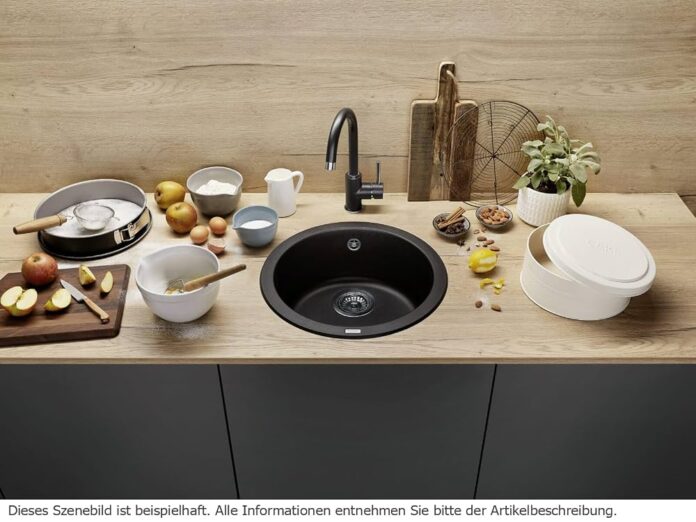

The shape of a kitchen sink can influence both its appearance and everyday functionality. Round and rectangular sinks offer different advantages, so the right choice depends on available space, cooking habits, countertop design, and personal preferences.
A Round Granite Sink can provide a softer alternative to conventional rectangular designs while offering the durability and stone-inspired appearance associated with granite composite materials. Rectangular sinks, meanwhile, are widely used because their straight edges make efficient use of conventional countertop layouts.
Shape and Kitchen Design
Round sinks introduce curved lines that can soften the overall appearance of a kitchen. They can work well in spaces where homeowners want a less conventional look or a more balanced visual design.
Rectangular sinks have straight edges and defined corners, making them a natural fit for modern countertops, straight cabinet lines, and traditional kitchen layouts.
Space Requirements
Available countertop space is an important consideration. A round sink is measured primarily by its diameter, which can make it suitable for certain compact or specialized layouts.
Rectangular sinks can make efficient use of long, straight countertop sections. However, larger rectangular models may require more linear counter and cabinet space.
Usable Basin Area
The shape of the basin affects how cookware fits inside. Rectangular sinks generally provide broad, straight-sided areas that can be convenient for washing large baking trays, cutting boards, and other flat items.
A round basin may provide less usable space for very wide objects, but its curved design can still be practical for everyday dishes, bowls, and smaller cookware.
Cleaning Considerations
Both shapes can be relatively easy to maintain when made from suitable materials. A round sink has fewer corners where food particles and residue may collect, which can make some areas easier to wipe.
Rectangular sinks with rounded corners can offer a similar advantage while retaining the traditional straight-sided shape. The specific corner radius and surface finish are therefore worth considering.
Installation Requirements
Installation requirements can vary depending on the sink design and mounting method. A round sink may require a circular countertop cutout, while a rectangular model typically requires a differently shaped opening.
Before purchasing either style, check the manufacturer’s specifications and confirm that the countertop and cabinet can accommodate the required dimensions.
Sink Depth
Regardless of shape, basin depth affects how the sink feels during everyday use. A deeper basin can provide more space for soaking dishes and washing cookware.
However, depth should be considered alongside the user’s height and countertop position. A sink that is too deep may require uncomfortable bending during frequent use.
Which Shape Is Better for Large Cookware?
Rectangular sinks often have an advantage when washing wide or flat cookware because their straight sides provide more usable surface area.
If you regularly clean large baking sheets, cutting boards, or oversized pots, compare the actual interior dimensions rather than relying only on the sink’s external size.
Which Shape Works Better in a Compact Kitchen?
A round sink can be useful when a different countertop layout or smaller footprint is preferred. Its curved profile can also create a visually lighter appearance.
However, the best option depends on the available cabinet and countertop dimensions. Measure the installation area carefully before choosing either shape.
Consider Your Overall Kitchen Style
Sink shape should complement the rest of the kitchen. Round designs can add contrast to kitchens dominated by straight lines, while rectangular sinks can reinforce a clean and structured appearance.
The sink’s color and material also influence the final look. Granite composite can provide a textured, natural appearance that works with a variety of countertop and cabinet finishes.
Final Thoughts
Choosing between a round granite sink and a rectangular sink comes down to functionality, available space, installation requirements, and design preferences. Neither shape is universally better for every kitchen.
Consider the cookware you regularly wash, the amount of countertop space available, the required cabinet clearance, and how the sink fits with your kitchen’s overall design. Taking these factors into account can help you select a sink shape that remains practical and comfortable for everyday use.

