
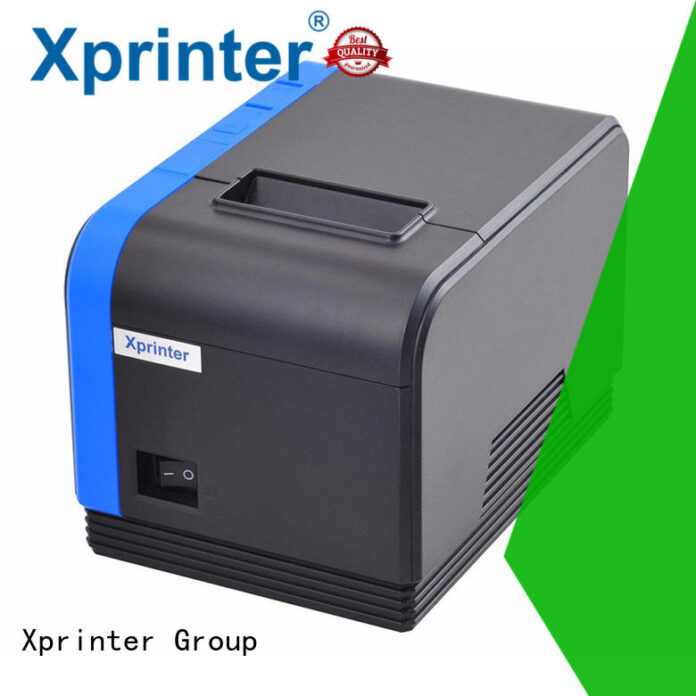

Choosing the right receipt printer is an important decision for businesses that rely on fast and reliable transaction processing. Retail stores, restaurants, supermarkets, pharmacies, and other customer-facing businesses need printers that deliver consistent performance while keeping operating costs under control. Understanding the differences between thermal and ink receipt printers can help you select the best solution for your business.
Many businesses today prefer a Thermal Receipt Printer because of its speed, efficiency, and low maintenance requirements. However, ink receipt printers still have their place in certain environments. Comparing both technologies makes it easier to determine which one best meets your operational needs.
What Is a Thermal Receipt Printer?
A thermal receipt printer uses heat to create text and images on specially coated thermal paper. Since it does not require ink cartridges or toner, it offers a simple and efficient printing process.
Thermal receipt printers are commonly used for:
- Retail receipts
- Restaurant receipts
- Supermarket transactions
- Pharmacy receipts
- Parking tickets
- Queue tickets
Their fast printing speed and minimal maintenance make them ideal for high-volume businesses.
What Is an Ink Receipt Printer?
An ink receipt printer uses ink ribbons or cartridges to print text and graphics onto standard paper. This technology has been used for many years and is still found in businesses that require multi-copy receipts or specialized forms.
Ink receipt printers are commonly used for:
- Multi-part invoices
- Carbon copy receipts
- Certain banking applications
- Government forms
Although reliable, they generally require more maintenance than thermal printers.
Printing Technology
The biggest difference between these two printer types is how they produce printed output.
Thermal Receipt Printer
- Uses heat-sensitive thermal paper
- No ink, toner, or ribbons required
- Fewer moving parts
- Faster printing process
Ink Receipt Printer
- Uses ink ribbons or cartridges
- Prints on standard paper
- Requires ribbon replacement
- More mechanical components
The simpler design of thermal printers often contributes to greater reliability.
Print Speed
Printing speed is essential for businesses that process large numbers of customer transactions.
Thermal Printer
Thermal printers produce receipts almost instantly, helping businesses reduce checkout times and improve customer service.
Ink Printer
Ink receipt printers generally print more slowly because the print head physically transfers ink onto the paper.
For busy environments, faster printing can significantly improve workflow.
Print Quality
Both printer types provide readable receipts, but their strengths differ.
Thermal Printer
Offers:
- Sharp text
- Clear QR codes
- Accurate barcodes
- Crisp logos
This makes thermal printing ideal for receipts that require barcode scanning.
Ink Printer
Produces:
- Durable text on plain paper
- Multi-copy forms
- Carbon copy documents
Ink printers are better suited for applications requiring duplicate copies.
Operating Costs
Long-term operating expenses are a major consideration when selecting business equipment.
Thermal Receipt Printer
Operating costs are generally lower because businesses only need thermal paper.
There are no expenses for:
- Ink cartridges
- Toner
- Ink ribbons
Ink Receipt Printer
Ink printers require regular replacement of ribbons or cartridges, increasing long-term operating costs.
Businesses with high printing volumes often find thermal printing more economical.
Maintenance Requirements
Maintenance affects both productivity and equipment lifespan.
Thermal Printer
Routine maintenance typically involves:
- Cleaning the print head
- Removing dust
- Inspecting paper rollers
Since there are fewer moving parts, maintenance is generally straightforward.
Ink Printer
Maintenance often includes:
- Replacing ink ribbons
- Cleaning print heads
- Servicing mechanical components
More frequent maintenance can lead to additional downtime.
Noise Levels
Noise can affect the working environment, particularly in customer-facing businesses.
Thermal Printer
Thermal printers operate quietly because they use heat rather than mechanical impact during printing.
Ink Printer
Ink receipt printers tend to generate more noise due to the movement of print heads and ribbons.
Quieter operation contributes to a more comfortable workplace.
Best Applications
Each printer type is suited to different business needs.
Thermal Receipt Printers Are Ideal For
- Retail stores
- Restaurants
- Supermarkets
- Cafés
- Pharmacies
- Hospitality businesses
- Convenience stores
Ink Receipt Printers Are Best For
- Businesses requiring carbon copies
- Government offices
- Financial institutions
- Specialized invoice printing
Choosing the right printer depends on your specific workflow and documentation requirements.
Environmental Considerations
Thermal receipt printers eliminate the need for ink cartridges and ribbons, reducing the amount of consumable waste generated during operation.
Ink receipt printers require regular replacement of ribbons or cartridges, which may increase material waste over time. Businesses focused on reducing consumable use may find thermal printing to be a more practical option.
How to Choose the Right Printer
Before making a purchase, consider the following questions:
- How many receipts do you print each day?
- Do you need carbon copy receipts?
- Is fast checkout a priority?
- What are your long-term operating cost goals?
- Which printer is compatible with your POS system?
Answering these questions will help you select the printer that best fits your business needs.
Conclusion
Both thermal and ink receipt printers have advantages, but they are designed for different purposes. Thermal receipt printers excel in speed, low maintenance, quiet operation, and cost efficiency, making them an excellent choice for most modern retail and hospitality businesses. Ink receipt printers remain useful for organizations that require multi-part forms or duplicate copies.
By evaluating your printing volume, operating costs, maintenance requirements, and business workflow, you can confidently choose the receipt printer that delivers the best value and performance for your operations.

