
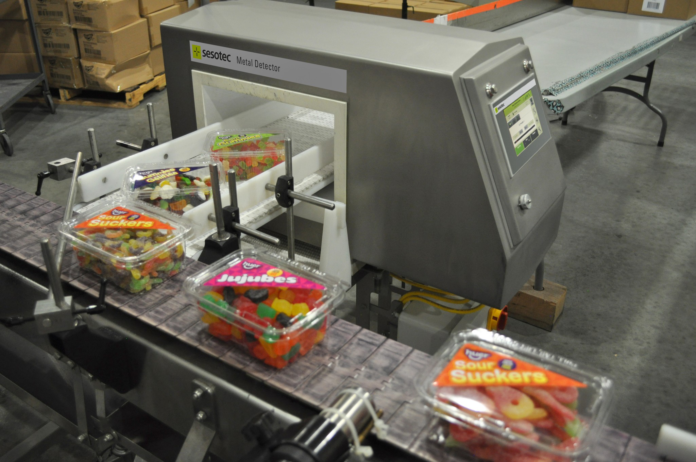

Food processing metal detectors play a critical role in protecting consumers and maintaining product quality. However, even advanced inspection systems require regular calibration and testing to ensure they continue operating accurately under real production conditions.
Proper calibration helps maintain detection sensitivity, reduce false rejects, and support food safety programs. Before investing in Food Processing Metal Detectors for Sale, manufacturers should understand the importance of regular testing procedures and maintenance practices.
Why Calibration Is Important
Calibration ensures that a metal detector is correctly adjusted to identify contaminants according to production requirements. Over time, changes in operating conditions, product types, or equipment performance may affect detection accuracy.
Regular calibration helps businesses:
- Maintain consistent detection performance
- Reduce product contamination risks
- Minimize unnecessary product rejection
- Support food safety compliance
- Improve equipment reliability
Without proper calibration, a system may fail to detect contaminants or create excessive false alarms.
Understanding Metal Detector Testing
Testing verifies that the equipment is functioning correctly and meeting required performance standards. It involves checking whether the detector can identify known metal samples under normal operating conditions.
Testing should be performed regularly as part of a company’s quality control procedures.
Common testing materials include:
- Ferrous metal samples
- Non-ferrous metal samples
- Stainless steel test pieces
These tests help confirm that the equipment remains sensitive and accurate.
Initial Calibration After Installation
When a new metal detector is installed, initial calibration is necessary to match the equipment with the production environment.
During the first calibration process, technicians typically adjust:
- Detection sensitivity
- Product settings
- Conveyor speed
- Alarm functions
- Reject mechanisms
This ensures the system is optimized for the specific products being inspected.
Factors That Affect Calibration Results
Several factors can influence metal detector performance and calibration accuracy.
Important factors include:
Product Characteristics
Food products with high moisture, salt content, or temperature variations may affect detection signals. Calibration settings should be adjusted based on the specific product being inspected.
Packaging Materials
Certain packaging materials can create challenges during inspection. Products with metallic packaging or conductive materials may require specialized settings.
Production Environment
External conditions such as vibration, electrical interference, and temperature changes can impact equipment stability.
Understanding these factors helps manufacturers maintain accurate inspection performance.
Routine Testing Procedures
Regular testing should follow a consistent schedule based on production requirements and food safety procedures.
A typical testing process includes:
- Checking the detector’s operating condition
- Passing certified test samples through the inspection area
- Confirming alarm activation
- Verifying automatic rejection performance
- Recording test results
Documented testing provides evidence that the inspection system is working properly.
Frequency of Calibration and Testing
The frequency of calibration depends on several factors, including production conditions, industry requirements, and risk levels.
Testing may be performed:
- At the beginning of production shifts
- After product changes
- After equipment adjustments
- During scheduled maintenance
- Following system repairs
Regular checks help identify potential issues before they affect production.
Maintaining Accurate Test Records
Documentation is an important part of food safety management systems. Keeping detailed calibration and testing records helps manufacturers demonstrate compliance during audits.
Records may include:
- Testing dates
- Test results
- Equipment settings
- Operator information
- Maintenance activities
Accurate records also help identify performance trends over time.
Training Operators for Proper Testing
Operators play an important role in maintaining metal detector accuracy. Proper training ensures employees understand how to perform routine checks and respond to system alerts.
Training should include:
- How to operate the detector
- How to conduct testing procedures
- How to identify equipment problems
- How to record inspection results
Well-trained staff help maintain consistent quality control.
Professional Maintenance Support
Regular calibration and testing can be supported by professional maintenance services. Experienced technicians can inspect equipment performance, identify issues, and provide recommendations for improvement.
Professional support helps extend equipment lifespan and ensures the system continues to meet food safety requirements.
Conclusion
Calibration and testing are essential for maintaining the accuracy and reliability of food processing metal detectors. Regular inspections, proper adjustments, accurate documentation, and operator training help ensure that equipment performs effectively throughout its service life. By following consistent calibration procedures, food manufacturers can strengthen quality control, reduce contamination risks, and maintain high standards of food safety.

