
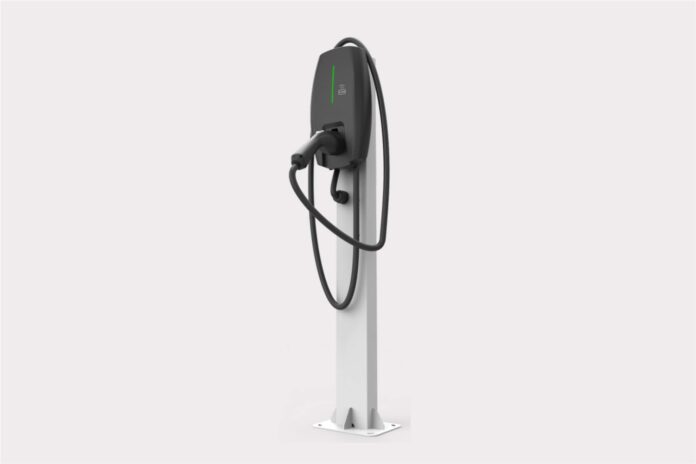

The rapid adoption of electric vehicles (EVs) worldwide has created an urgent need for reliable, efficient, and scalable charging infrastructure. Among the different charging solutions available, the AC charging pile plays a crucial role in meeting everyday EV charging needs. Designed for convenience and accessibility, AC charging piles are widely deployed in residential, commercial, and public spaces to provide dependable charging capabilities for modern EV owners.
Unlike their DC counterparts, AC charging piles are often slower but more versatile and cost-effective. They are essential in supporting the gradual transition from traditional fuel-based transportation to sustainable electric mobility.
For businesses and consumers seeking to understand the infrastructure, the AC Charging Pile represents an important component of the overall EV ecosystem. Companies developing advanced charging solutions are working to integrate smart features and improve energy efficiency, ensuring that these charging systems remain relevant for the evolving EV market.
What is an AC Charging Pile?
An AC charging pile is an electric vehicle supply equipment (EVSE) that delivers alternating current (AC) directly to a vehicle’s onboard charger. The onboard charger then converts the AC power into direct current (DC) to charge the vehicle’s battery. This makes AC charging piles distinct from DC fast chargers, which bypass the onboard charger and deliver DC directly to the battery.
AC charging piles are commonly used in residential garages, workplaces, shopping centers, and public parking lots. They typically deliver power levels ranging from 3.3 kW to 22 kW, making them suitable for overnight or extended parking charging sessions.
Key Applications of AC Charging Piles
1. Residential Charging
One of the most common applications of AC charging piles is in residential environments. Homeowners can conveniently charge their EVs overnight using an AC charging pile, ensuring a full battery each morning without relying on public charging stations.
2. Workplace Charging
Businesses are increasingly installing AC charging piles at office premises to encourage employees to adopt electric vehicles. Workplace charging offers employees the convenience of topping up their vehicles during work hours, supporting sustainable commuting practices.
3. Commercial and Retail Spaces
Shopping centers, hotels, and restaurants often deploy AC charging piles to attract eco-conscious customers. While visitors spend time at these facilities, their vehicles can charge at a moderate pace, adding value to the customer experience.
4. Public Infrastructure
Municipalities and city planners are expanding EV infrastructure by installing AC charging piles in public parking facilities. These stations help reduce range anxiety and make EV ownership more practical for urban dwellers.
Advantages of AC Charging Piles
1. Cost-Effectiveness
Compared to DC fast charging solutions, AC charging piles are more affordable to install and operate. Their lower installation costs make them attractive for residential and small-scale commercial applications.
2. Energy Efficiency and Grid Compatibility
AC charging piles place less stress on the electrical grid compared to high-power DC chargers. They are ideal for overnight charging, utilizing off-peak electricity rates, which reduces operational costs and contributes to grid stability.
3. Extended Battery Life
Slower charging rates provided by AC charging piles are generally considered healthier for EV batteries in the long run. Gradual charging helps reduce heat buildup and prolongs battery lifespan, which is essential for maintaining the vehicle’s value.
4. Wide Accessibility
Since AC charging piles can be deployed in a variety of environments, they significantly enhance accessibility to charging infrastructure. This wide distribution ensures that EV drivers have consistent opportunities to recharge.
5. Smart Charging Capabilities
Modern AC charging piles are often integrated with smart features such as mobile app control, energy monitoring, and scheduling options. These capabilities allow users to optimize charging times, monitor electricity costs, and maximize convenience.
The Future of AC Charging Piles
As EV adoption accelerates globally, AC charging piles will remain an integral part of the charging ecosystem. While DC fast charging is essential for long-distance travel, AC charging piles continue to serve as the backbone of everyday charging due to their cost-effectiveness, flexibility, and widespread deployment potential.
Future advancements will likely focus on increasing charging efficiency, incorporating renewable energy integration, and enhancing digital connectivity for smarter, user-friendly experiences. Together with other charging technologies, AC charging piles ensure that EV drivers can enjoy seamless mobility with sustainable energy solutions.

