
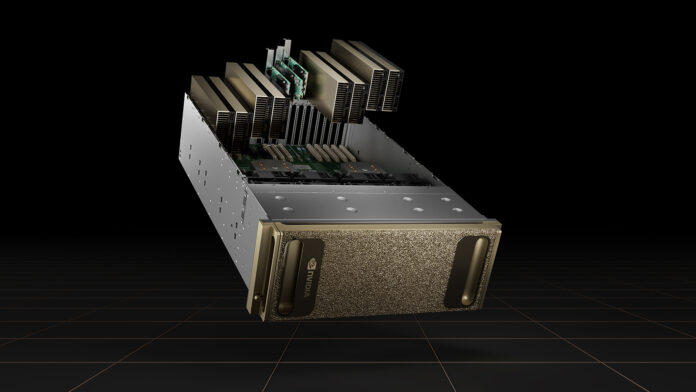

As artificial intelligence (AI) and machine vision technologies evolve, they demand ever-higher computing power, robust architecture, and adaptability to harsh industrial environments. Traditional computing systems often fall short when deployed in high-load scenarios, especially in sectors such as autonomous vehicles, smart manufacturing, surveillance, and scientific research. This is where industrial GPU computers play a transformative role, offering the parallel processing power required for real-time inference, object detection, and complex algorithmic computations.
In contrast to general-purpose PCs, an Industrial GPU Computer is specifically engineered to integrate high-performance graphics processing units (GPUs) into ruggedized, industrial-grade systems. These machines are designed to operate reliably in extreme conditions—handling shock, vibration, wide temperature fluctuations, and dust exposure—all while delivering immense computational throughput. This makes them indispensable in applications such as real-time video analytics, automated inspection systems, and deep learning model deployment across diverse industries.
Why GPUs Matter in Industrial Computing
GPUs were initially developed to accelerate image rendering for graphics applications. However, their architecture—featuring thousands of cores capable of simultaneous computation—has proven ideal for parallel processing tasks like those found in AI workloads. In industrial environments where time-sensitive computations such as predictive maintenance, real-time tracking, and pattern recognition are mission-critical, GPU acceleration delivers measurable advantages in both speed and precision.
The incorporation of GPUs into industrial computers means that companies can process large volumes of data from sensors, cameras, and IoT devices directly at the edge, reducing latency and dependence on cloud infrastructures. This edge processing capability is particularly useful in scenarios where network access is limited or unreliable.
Key Features of Industrial GPU Computers
Several factors differentiate industrial GPU computers from standard GPU desktops or servers:
1. Rugged Design
Industrial GPU systems are built to withstand harsh environments. Their fanless, dustproof, and shock-resistant enclosures often come with wide operating temperature ranges and conform to various industrial standards, ensuring long-term durability in demanding settings.
2. High GPU Compatibility
These systems are engineered to support powerful GPUs such as NVIDIA RTX and Quadro series cards, enabling tasks like deep learning, neural network training, and high-resolution image processing with minimal delay.
3. Scalability
With support for multiple expansion slots, PCIe lanes, and high-bandwidth memory, industrial GPU computers can be tailored to meet evolving computational requirements, whether for one-time deployments or scaling up production lines.
4. Thermal Management
Thermal stability is essential when operating GPUs at full load. Industrial systems come equipped with advanced heat dissipation solutions like heat pipes, aluminum chassis, and internal airflow channels to prevent thermal throttling.
5. Longevity and Lifecycle Support
Unlike consumer PCs, industrial computers are designed with long-term availability and serviceability in mind. This is critical for industries with extended product life cycles and minimal tolerance for downtime.
Applications Across Industries
1. AI-Powered Quality Control in Manufacturing
Industrial GPU computers are used for automated optical inspection (AOI) and defect detection using AI models. High-resolution cameras capture images of products on assembly lines, and GPU-accelerated vision systems identify imperfections in milliseconds.
2. Autonomous Navigation and Robotics
In autonomous vehicles and robots, real-time data from LiDAR, radar, and video sensors must be processed to make split-second decisions. GPU-equipped systems provide the compute horsepower to perform localization, path planning, and object avoidance reliably.
3. Smart Surveillance Systems
AI-enabled surveillance relies on facial recognition, behavior analysis, and license plate recognition. Industrial GPU computers can analyze multiple video streams simultaneously with deep learning algorithms, offering enhanced security and situational awareness.
4. Medical Imaging and Diagnostics
GPU computing also enhances the capabilities of medical imaging equipment such as MRI, CT, and ultrasound machines. Industrial-grade systems ensure consistent performance in hospital and mobile clinic environments.
5. Research and Scientific Simulation
Researchers across fields such as astronomy, climatology, and genomics use industrial GPU computers for simulation, data analysis, and visualization. Their rugged nature allows them to function reliably even in remote or mobile research stations.
Conclusion
As the demand for real-time data analysis, AI integration, and smart automation continues to grow, industrial GPU computers are becoming central to modern technological infrastructure. Their unique combination of GPU acceleration and rugged design bridges the gap between performance and reliability, enabling businesses and institutions to harness the power of artificial intelligence at the edge. Whether deployed in factories, labs, or mobile vehicles, these systems empower industries to innovate with confidence and consistency.

