
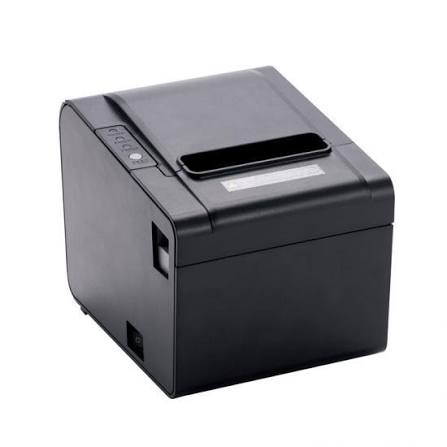

Selecting the right receipt printing equipment is an important decision for businesses that handle regular customer transactions. Retail stores, restaurants, supermarkets, and service providers all depend on efficient printing systems to generate clear receipts and maintain smooth checkout operations. A suitable printer can improve transaction speed, reduce maintenance requirements, and support daily business activities.
When evaluating a Thermal Receipt Printer, businesses should look beyond the initial purchase price and consider factors such as printing speed, resolution, connectivity, paper compatibility, and durability. Understanding these features helps buyers identify equipment that matches their operational needs and provides reliable performance over time.
1. Printing Speed and Performance
Printing speed is one of the most important considerations when choosing a receipt printer. Businesses with high transaction volumes need equipment that can produce receipts quickly without creating unnecessary delays at checkout counters.
Printing speed is commonly measured in millimeters per second (mm/s). Higher speeds can be beneficial for supermarkets, busy restaurants, and retail chains where employees process numerous transactions throughout the day.
However, speed should not be the only deciding factor. Buyers should also consider whether the printer maintains consistent output quality during continuous operation.
2. Print Resolution and Clarity
Print resolution determines how clearly a printer reproduces text, numbers, barcodes, and small graphics. Clear printing is essential because customers and employees need to read transaction details accurately.
Most receipt printers use thermal printheads with different resolution specifications, commonly expressed in dots per inch (DPI) or dot density.
When comparing models, consider the following:
- Text sharpness and readability.
- Barcode printing accuracy.
- Logo and graphic reproduction.
- Consistency across different receipt formats.
A printer with suitable resolution helps ensure that receipts remain easy to read and that printed barcodes can be scanned reliably.
3. Connectivity and Interface Options
Connectivity determines how easily a receipt printer integrates with existing business systems. Different businesses use different POS terminals, computers, tablets, and mobile devices, so selecting compatible interfaces is important.
Common connectivity options include:
USB Connectivity
USB is widely used because it provides a straightforward connection between a printer and a computer or POS terminal. It is suitable for fixed checkout counters and small business environments.
Ethernet Connectivity
Ethernet allows printers to connect to local networks. This option is useful in supermarkets, restaurants, and larger retail environments where multiple devices may need access to network-based printing.
Bluetooth Connectivity
Bluetooth supports wireless communication with compatible mobile devices and tablets. It is particularly useful for mobile payment systems, food trucks, and businesses that require flexible checkout arrangements.
Wi-Fi Connectivity
Wi-Fi allows compatible printers to communicate through wireless networks. It can simplify installation in environments where running physical cables is inconvenient.
Before purchasing, businesses should confirm that the available interfaces match their POS equipment and software requirements.
4. Paper Width and Compatibility
Paper compatibility directly affects the type of receipts a printer can produce. Common thermal receipt paper widths include 58 mm and 80 mm.
A 58 mm printer is generally suitable for compact receipts with limited transaction information. It is often used in small shops, kiosks, and mobile payment environments.
An 80 mm printer provides more printing space for detailed receipts, product descriptions, promotional information, and business branding. It is frequently used in supermarkets, restaurants, and larger retail stores.
Buyers should also check supported paper roll diameters, paper thickness, and loading requirements. Choosing the correct paper specifications helps prevent feeding problems and unnecessary interruptions.
5. Automatic Paper Cutting Mechanism
An automatic cutter is a useful feature for businesses that print receipts frequently. It separates completed receipts without requiring employees to tear the paper manually.
There are generally two common cutting arrangements:
- Full cut: Separates the receipt completely from the remaining paper roll.
- Partial cut: Leaves a small section connecting the receipt to the roll, making it easier to collect printed receipts.
The choice depends on the business environment and employee preferences. Restaurants and high-volume retail stores may benefit from reliable automatic cutting because it can improve workflow efficiency.
When comparing printers, buyers should examine the cutter’s durability, rated cutting life, and ease of maintenance.
6. Printhead Quality and Durability
The thermal printhead is responsible for generating the heat that creates images on specially coated paper. Its quality directly influences printing clarity and the printer’s long-term performance.
A durable printhead can support repeated printing operations while maintaining consistent output. This is particularly important for businesses that operate throughout the day.
Several factors influence printhead lifespan:
- Frequency of printing.
- Thermal paper quality.
- Regular cleaning and maintenance.
- Operating temperature and environmental conditions.
- Correct printer settings.
Businesses should review the manufacturer’s specifications for printhead life and recommended maintenance procedures before making a purchase.
7. Compatibility With POS Systems and Software
A receipt printer must communicate properly with the business’s existing point-of-sale system. Even a printer with excellent hardware specifications may create operational difficulties if it does not support the required software or operating environment.
Before purchasing, check:
- Supported operating systems.
- Available printer drivers.
- POS software compatibility.
- Supported printing command languages.
- Integration with existing checkout equipment.
Some printers support commonly used command sets, such as ESC/POS, which can simplify integration with compatible POS applications.
Confirming compatibility before installation can reduce technical issues and additional setup costs.
8. Compact Design and Installation Flexibility
Physical size is another important feature to evaluate. Checkout counters often contain payment terminals, cash drawers, monitors, scanners, and other equipment. A bulky printer may occupy valuable workspace.
Compact receipt printers are suitable for businesses with limited counter space. Some models also include wall-mounting options or flexible installation arrangements.
For mobile businesses, lightweight designs can make transportation and repositioning easier. Buyers should consider the available installation space and how employees will access the printer during daily operations.
9. Paper Loading and User-Friendly Operation
Ease of use can have a significant effect on employee productivity. A printer with a simple paper-loading mechanism allows staff to replace paper rolls quickly and continue processing transactions.
Many modern receipt printers use a drop-in paper-loading design. Employees can open the printer cover, position a new roll, and close the cover without complicated threading procedures.
Other useful features include:
- Clear paper status indicators.
- Easy-access printer covers.
- Simple control buttons.
- Audible or visual error notifications.
- Convenient paper roll replacement.
These features are particularly helpful in busy businesses where employees may need to replace paper several times during a working day.
10. Printing Noise and Operating Environment
The operating environment should influence printer selection. Businesses such as hotels, medical clinics, reception areas, and small offices may prefer equipment that operates quietly.
Thermal receipt printers are generally quieter than many traditional printing devices because they do not use conventional inkjet or laser printing mechanisms.
Buyers should also consider environmental conditions, including temperature, humidity, dust exposure, and available ventilation. Selecting equipment designed for the intended working environment can help maintain stable performance.
11. Energy Efficiency and Power Requirements
Energy consumption is another factor worth considering, particularly for businesses operating multiple printers across several locations.
Buyers should review the printer’s power adapter specifications, operating voltage, and standby power consumption. Some models include automatic power-saving functions that reduce energy use when the device is inactive.
It is also important to ensure that the power supply meets the requirements of the installation environment. Reliable electrical connections help prevent unexpected interruptions and protect the equipment from avoidable power-related problems.
12. Maintenance Requirements and Technical Support
Maintenance requirements can influence the total cost of owning a receipt printer. Although direct thermal printers generally require fewer consumables than traditional printers, their internal components still need periodic inspection and cleaning.
Important maintenance considerations include printhead cleaning, roller inspection, cutter maintenance, and firmware updates where applicable.
Technical support is equally important. Buyers should investigate warranty coverage, replacement component availability, troubleshooting documentation, and access to qualified service assistance.
A printer supported by dependable technical resources can be easier to maintain throughout its working life.
13. Total Cost of Ownership
The purchase price is only one part of the overall investment. Businesses should evaluate the total cost of ownership before selecting a model.
This includes:
- Initial equipment cost.
- Thermal paper expenses.
- Electricity consumption.
- Replacement printheads or cutters, where applicable.
- Maintenance and servicing costs.
- Software integration and installation expenses.
A lower-priced printer may not always provide the best long-term value if it requires frequent servicing or does not support the business’s printing workload.
Comparing the expected operating costs of different models helps businesses make more informed purchasing decisions.
14. Warranty and Manufacturer Reliability
The manufacturer’s reputation and warranty conditions can provide useful information about product reliability and after-sales support.
Before purchasing, buyers should examine the warranty period, coverage limitations, replacement policies, and availability of technical assistance.
It is also helpful to review product documentation, customer feedback, and the manufacturer’s experience in developing receipt printing equipment.
For businesses purchasing several units, consistent product quality and dependable support can be especially important for maintaining operations across multiple locations.
How to Choose the Right Thermal Receipt Printer for Different Businesses
Different industries have different printing requirements. Understanding these differences can help buyers select suitable equipment.
Retail Stores and Supermarkets
Retail businesses generally benefit from fast printing, automatic cutting, clear barcode reproduction, and reliable POS integration. Stores with high transaction volumes should prioritize durability and consistent performance.
Restaurants and Cafes
Restaurants may require printers that support kitchen order printing, network connectivity, and fast receipt production. Paper width and printing clarity are also important when receipts contain detailed orders.
Small Businesses and Kiosks
Small businesses often prioritize affordability, compact dimensions, and simple operation. USB or Bluetooth connectivity may be sufficient depending on the existing POS setup.
Mobile Businesses
Food trucks, delivery services, and temporary sales operations may benefit from lightweight printers with wireless connectivity and flexible power options.
Hotels and Service Centers
Hotels, clinics, and service centers may prioritize quiet operation, dependable software compatibility, and consistent printing quality for customer records and payment confirmations.
Common Mistakes to Avoid When Buying a Thermal Receipt Printer
Even when buyers understand the main specifications, certain purchasing mistakes can lead to compatibility issues and unnecessary expenses.
Some common mistakes include:
- Choosing based only on price: Ignoring durability, printing speed, and maintenance costs can result in poor long-term value.
- Overlooking connectivity: A printer may not support the interfaces required by the existing POS system.
- Ignoring paper specifications: Incorrect paper width or roll dimensions can cause feeding problems.
- Underestimating printing volume: A model designed for occasional use may not perform well in a high-volume environment.
- Neglecting software compatibility: Missing drivers or unsupported printing commands can complicate installation.
- Failing to review warranty conditions: Limited service support may increase maintenance difficulties later.
Avoiding these mistakes can make the purchasing process more efficient and reduce the risk of selecting unsuitable equipment.
Conclusion
Choosing the right thermal receipt printer requires more than comparing prices and basic specifications. Printing speed, resolution, connectivity, paper compatibility, automatic cutting, printhead durability, and software integration all influence how effectively a device performs in a business environment.
Buyers should also consider maintenance requirements, operating costs, warranty coverage, and the specific needs of their industry. By evaluating these features carefully, businesses can select a receipt printing solution that supports efficient transactions, consistent print quality, and reliable daily operations.

