
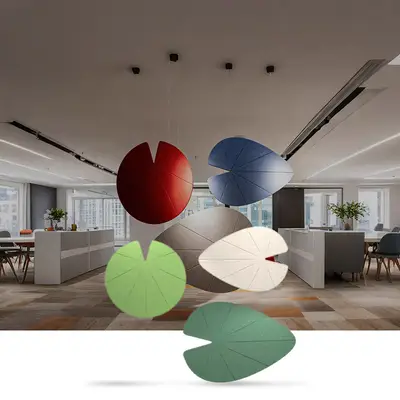

Sustainability has become an important consideration in modern construction and interior design. Architects, contractors, and property developers are increasingly looking for building materials that support environmental goals without compromising performance, appearance, or durability. Acoustic panels are part of this shift as manufacturers explore alternative raw materials, more efficient production methods, and responsible sourcing practices.
This growing focus is influencing how an Acoustic Panel Factory selects materials, manages manufacturing processes, and develops new products. From recycled polyester fibers to improved material utilization, sustainable manufacturing practices are creating more options for projects that require effective sound absorption and environmentally conscious material choices.
1. Growing Demand for Environmentally Responsible Acoustic Products
Buildings consume resources throughout their construction, operation, and renovation. As a result, material selection is receiving greater attention from design and construction professionals.
Acoustic panels are used in offices, schools, hotels, restaurants, healthcare facilities, and residential buildings. Because these products may be installed across large wall and ceiling areas, their material composition and manufacturing processes can contribute to a project’s overall environmental impact.
Manufacturers are responding by exploring materials with recycled content, improving production efficiency, and providing clearer information about product composition. These developments help customers compare options based on both acoustic performance and environmental considerations.
2. Recycled PET and Polyester Fiber Materials
Recycled polyester is one of the materials gaining attention in acoustic panel manufacturing. Certain PET acoustic products are produced using polyester fibers derived partly or entirely from recycled plastic, depending on the manufacturer’s formulation.
These materials can be processed into rigid or semi-rigid panels suitable for wall coverings, ceiling treatments, and decorative acoustic installations.
Potential advantages include:
- Using recycled material as part of the product composition.
- Offering lightweight panel options.
- Supporting different shapes, colors, and thicknesses.
- Providing flexibility for decorative interior applications.
- Reducing dependence on some virgin raw materials.
However, recycled content varies between products. Buyers should request manufacturer documentation to confirm the percentage of recycled material and understand how the product is manufactured.
3. Improving Raw Material Efficiency
Sustainable manufacturing is not limited to choosing recycled materials. How raw materials are used during production also matters.
Traditional cutting and shaping processes can generate offcuts and unused material. Manufacturers can reduce this waste by improving production layouts, optimizing cutting patterns, and using digital measurements to plan material requirements more accurately.
Better inventory management can also prevent materials from becoming damaged, outdated, or unsuitable for production.
These improvements may help factories lower material waste while maintaining consistent product dimensions and manufacturing standards.
4. Reducing Energy Consumption During Production
Energy use is another important consideration in acoustic panel manufacturing. Equipment used for cutting, pressing, bonding, shaping, and finishing can contribute to a factory’s overall energy consumption.
Manufacturers can explore several approaches to improve energy efficiency:
- Maintaining machinery to support efficient operation.
- Upgrading to more energy-efficient equipment where practical.
- Organizing production schedules to reduce unnecessary machine operation.
- Monitoring electricity consumption across different production stages.
- Improving factory lighting and ventilation systems.
Although the potential savings depend on the facility and production methods, these measures can support more efficient manufacturing operations.
5. Exploring Low-Impact Binders and Finishing Materials
The environmental profile of an acoustic panel depends on more than its main fiber or core material. Binders, adhesives, coatings, fabrics, and surface treatments can also influence the product’s composition and emissions.
Some manufacturers are exploring alternative bonding and finishing materials that may reduce the use of certain chemicals or support improved indoor air quality.
For architects and contractors, it is useful to review available information about volatile organic compounds (VOCs), chemical emissions, and relevant indoor air quality certifications.
Product claims should be supported by appropriate testing or certification documents. A material should not be considered low-emission or environmentally preferable solely because it contains recycled fibers.
6. Designing Acoustic Panels for Longer Service Life
Product durability is an important part of sustainable material selection. Panels that maintain their appearance and functionality over a longer period may reduce the need for frequent replacement.
Manufacturers can support durability through appropriate material selection, consistent production quality, and suitable surface finishes. They may also provide guidance on cleaning, maintenance, and installation to help customers protect the finished product.
The expected service life depends on the material, installation environment, maintenance practices, and level of use. For example, panels installed in busy public areas may require different surface characteristics from those used in private offices or residential spaces.
Considering these conditions during product selection can help building owners make more practical long-term decisions.
7. Developing Products That Support Circular Design
Circular design focuses on keeping materials in use for as long as practical and reducing unnecessary waste. In acoustic panel manufacturing, this can involve considering how products are assembled, installed, maintained, and eventually removed.
Manufacturers may explore:
- Designs that allow individual panels to be replaced without removing an entire installation.
- Material choices that simplify separation or recovery.
- Reusable packaging and reduced packaging waste.
- Production methods that make better use of leftover materials.
- Clear information about disposal or recycling options.
Not every acoustic panel is recyclable through standard local waste systems. Buyers should therefore check whether the manufacturer has practical recovery arrangements or whether specialized recycling facilities are required.
8. Supporting Green Building and Certification Requirements
Many construction projects now consider environmental documentation during material procurement. Depending on the project, acoustic panels may need to contribute information toward green building assessments or meet particular material requirements.
Manufacturers can support these evaluations by providing documentation such as:
- Product data sheets.
- Recycled content information.
- VOC emissions test reports.
- Environmental Product Declarations (EPDs), where available.
- Relevant material or environmental certifications.
- Manufacturing and sourcing information.
The availability of these documents varies by manufacturer and product. Architects and procurement teams should verify whether the documentation meets the specific requirements of the building project or certification system.
9. Balancing Sustainability with Acoustic Performance
Sustainable material selection should never replace the need to evaluate acoustic performance. A panel must still provide suitable sound absorption for its intended application.
Important considerations include the material’s thickness, density, construction, mounting method, and tested acoustic properties. The Noise Reduction Coefficient (NRC) may be used to summarize sound absorption performance under specified testing conditions, although the actual results depend on the complete product assembly and installation.
For this reason, buyers should compare test reports for the specific products they are considering. A recycled material is not automatically more acoustically effective than a conventional alternative.
The best solution balances sound absorption, durability, appearance, maintenance, cost, and environmental characteristics.
Conclusion
Sustainable materials are changing acoustic panel manufacturing by encouraging greater use of recycled content, improved resource efficiency, energy-conscious production, and more responsible product development. These changes are helping manufacturers respond to the needs of construction professionals who want acoustic solutions that support both indoor comfort and environmental objectives.
For architects, contractors, and building owners, choosing sustainable acoustic panels requires evaluating the complete product rather than focusing on a single environmental claim. By reviewing material composition, acoustic test results, durability, emissions information, and available certifications, buyers can make better-informed decisions and select products that meet the practical and environmental goals of their projects.

