
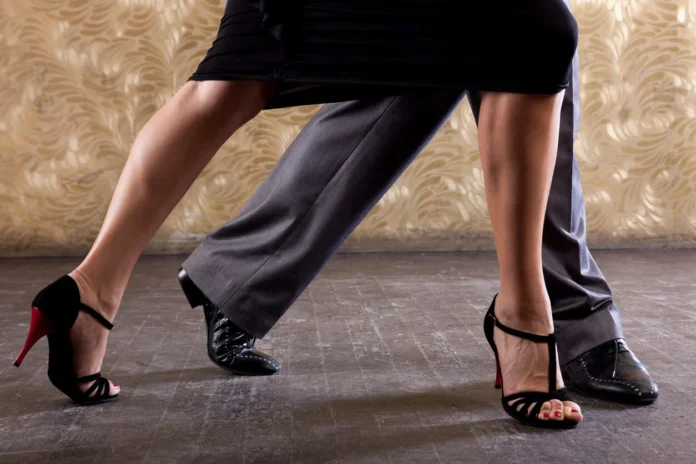

Latin dancing demands precision, flexibility, and control. Whether performing the cha-cha, rumba, samba, or salsa, dancers rely on footwear that supports quick footwork, smooth turns, and balanced movement. The right shoes can improve stability and comfort while allowing the feet to move naturally throughout practice sessions and performances.
Choosing Custom Latin Dance Shoes can help dancers address individual needs related to foot shape, heel height, sole flexibility, and overall support. Instead of relying entirely on standard sizing, dancers can consider specific fit preferences and performance requirements to find footwear that complements their technique and dancing style.
Why Proper Latin Dance Shoes Matter
Latin dance shoes are designed differently from everyday footwear. They typically feature flexible soles, secure straps, and carefully shaped heels that help dancers maintain balance while executing turns, pivots, and rhythmic steps. Their construction also allows greater articulation through the foot, which is important for expressive Latin dance movements.
Wearing unsuitable shoes may cause discomfort, restrict movement, or make balance more difficult. Shoes that fit correctly can help dancers develop better control and reduce unnecessary strain during extended practice sessions.
Understanding the Importance of Fit
A proper fit is one of the most important factors when selecting dance footwear. Latin dance shoes should feel secure without creating painful pressure points or restricting circulation. Because dancers frequently shift their weight between the ball of the foot and the heel, even small fitting issues can affect movement quality.
Measuring Your Feet Correctly
Measure both feet while standing, preferably later in the day when natural foot expansion may be more noticeable. Record the length and width of each foot, since one foot may be slightly larger than the other.
Consider the following details when evaluating shoe fit:
- Length: The toes should sit comfortably without being painfully compressed or extending excessively beyond the shoe.
- Width: The shoe should hold the foot securely without pinching the sides.
- Arch support: The shoe should complement the natural shape of the foot while allowing controlled movement.
- Heel security: The heel should remain stable without slipping during turns or changes in direction.
Dance shoes may fit more closely than casual footwear, but a tight fit should never cause numbness, sharp pain, or persistent discomfort.
Accounting for Individual Foot Shapes
Foot shapes vary considerably. Some dancers have narrow heels, wider forefeet, high arches, or low-volume feet. Standard shoe designs may not accommodate these differences equally well.
A customized fit can help address specific concerns, particularly when conventional footwear repeatedly causes slipping, pressure points, or instability. However, customization should be based on accurate measurements and, when necessary, professional fitting advice.
Choosing the Right Heel Height
Heel height affects posture, weight distribution, and balance. A suitable heel allows dancers to maintain control while moving fluidly through different steps and transitions.
Beginners often benefit from a moderate, stable heel that makes balance easier to manage. Experienced dancers may prefer higher heels for their established technique or preferred performance aesthetic. The best option depends on ankle strength, experience, choreography, and comfort.
Heel shape and placement matter as much as height. A well-positioned heel can provide a more predictable base of support, while an unsuitable design may make balance and turning more challenging.
Dancers should introduce new heel heights gradually and practice basic movements before using unfamiliar footwear in demanding routines.
Selecting the Right Sole Material
The sole influences how a dancer interacts with the floor. Latin dance footwear commonly uses suede soles because they provide a useful balance between controlled traction and the ability to pivot.
Suede soles are particularly suitable for many indoor dance floors, but their performance depends on the floor surface and maintenance. Excessive dust can reduce grip, while moisture and unsuitable cleaning methods may damage the material.
Leather soles and other sole constructions may suit different environments, depending on their design and intended use. Before selecting a pair, consider where the shoes will be worn and whether the sole is appropriate for that surface.
Outdoor use can quickly damage delicate dance soles. Whenever possible, reserve dance shoes for suitable indoor flooring to maintain their performance characteristics.
Comfort Features That Support Longer Practice Sessions
Comfort becomes increasingly important during rehearsals, competitions, and extended training. A shoe that feels acceptable for a few minutes may become uncomfortable after repeated turns, fast footwork, and sustained weight transfer.
Look for cushioning in areas that experience pressure, especially around the forefoot. Padding should provide comfort without making the shoe feel unstable or preventing the foot from sensing the floor.
Secure straps are another important consideration. They should keep the foot in place without digging into the skin or creating pressure across the instep. Breathable materials can also help manage heat and moisture during intense activity.
Dancers with recurring foot pain, previous injuries, or persistent fitting problems should seek advice from a qualified healthcare professional or dance-focused footwear specialist rather than relying on shoe adjustments alone.
Materials and Construction: What to Look For
The materials used in Latin dance shoes influence flexibility, durability, breathability, and appearance. Satin is often chosen for its elegant finish, while leather and synthetic materials offer different combinations of structure, maintenance requirements, and flexibility.
The upper should hold the foot securely while allowing natural movement. Reinforced stitching, well-finished edges, and durable attachment points can contribute to the shoe’s longevity, particularly around straps and areas exposed to repeated movement.
When evaluating construction quality, consider both comfort and function. A visually appealing shoe may not be appropriate if its shape, flexibility, or support does not match the dancer’s needs.
Matching Shoes to Your Dance Style
Different Latin dance styles place different demands on footwear. Although many shoes are designed for multiple disciplines, understanding the movements involved can help guide selection.
- Cha-cha: Controlled footwork and quick directional changes benefit from secure fitting and predictable pivots.
- Rumba: Smooth weight transfers and expressive movements call for flexibility and precise foot control.
- Samba: Energetic steps and repeated weight changes make stability and a secure fit especially important.
- Salsa: Rapid turns and varied rhythms require a comfortable shoe that allows controlled rotation and responsive movement.
These distinctions are general guidelines rather than strict rules. Personal technique, choreography, and the surface being used can influence which features matter most.
How to Break In New Dance Shoes Safely
New footwear may feel different from a dancer’s established pair, even when the sizing is correct. A gradual break-in period allows the dancer to assess fit and become familiar with the shoe’s balance and flexibility.
Start with short practice sessions on an appropriate dance floor. Test basic steps, controlled turns, and weight transfers before attempting demanding choreography.
Avoid forcing a shoe to stretch if it creates significant pain or pressure. Material-specific care instructions should guide any adjustments, and professional advice may be useful when the fit remains unsuitable.
Maintaining Latin Dance Shoes
Regular maintenance helps preserve comfort, appearance, and performance. After dancing, allow shoes to air out in a well-ventilated area away from direct heat and sunlight.
For suede soles, use a suitable dance-shoe brush to remove accumulated dust and restore the surface texture when needed. Clean the upper according to its material, and inspect straps, stitching, and heel attachments for signs of wear.
Store shoes in a breathable bag and avoid leaving them in damp environments. Replace footwear when structural damage, excessive sole wear, or persistent instability affects safe use.
Common Mistakes to Avoid When Choosing Dance Shoes
Even experienced dancers can overlook important details when selecting new footwear. Avoid these common mistakes:
- Choosing appearance over fit: Decorative details should not outweigh comfort, stability, and appropriate construction.
- Assuming every brand fits identically: Sizing can vary by design, material, and manufacturing method.
- Selecting heels beyond your current ability: Higher heels may require additional strength, balance, and practice.
- Ignoring the dance floor: A sole suitable for one surface may perform poorly on another.
- Neglecting maintenance: Dirty soles and worn straps can affect movement and comfort.
- Continuing to wear painful shoes: Persistent discomfort may indicate a fitting issue that needs attention.
Taking time to assess these factors can help dancers make more informed footwear decisions and avoid unnecessary replacements.
Conclusion
Choosing suitable Latin dance footwear involves more than finding an attractive design. Fit, heel height, sole material, construction, and comfort all contribute to balance, movement quality, and confidence on the dance floor.
By considering individual foot shape, dance style, experience level, and practice environment, dancers can identify shoes that support their specific needs. Careful fitting, gradual familiarization, and consistent maintenance can further improve the experience, helping dancers focus on technique, musicality, and expressive movement.

