
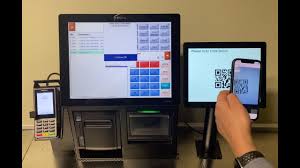

Running a business involves managing countless daily tasks, from processing sales and tracking inventory to serving customers and overseeing employees. Without the right technology, these responsibilities can become overwhelming, leading to inefficiencies and costly mistakes. A modern point-of-sale (POS) system helps businesses overcome these common challenges by centralizing essential operations into one platform.
A Full POS System simplifies business management by combining payment processing, inventory control, customer management, employee tracking, and reporting into a single solution. This integrated approach helps businesses improve productivity, reduce errors, and operate more efficiently.
Slow Checkout Processes
Long checkout times can frustrate customers and reduce overall satisfaction. Manual billing or outdated systems often create unnecessary delays during busy periods.
A modern POS system speeds up transactions with barcode scanning, automated calculations, and support for multiple payment methods, creating a faster and more convenient checkout experience.
Inventory Management Issues
Maintaining accurate inventory is a common challenge for many businesses. Manual stock tracking can result in overstocking, stock shortages, or inaccurate inventory records.
A full POS system automatically updates inventory after every transaction and provides real-time stock visibility, helping businesses maintain better control over their products.
Human Errors in Transactions
Manual calculations and data entry increase the likelihood of pricing mistakes, duplicate entries, and inaccurate sales records.
By automating transactions and recording every sale electronically, a POS system significantly reduces human error while improving financial accuracy.
Limited Business Insights
Without reliable reporting tools, business owners may struggle to understand sales trends, customer preferences, and overall performance.
Modern POS systems generate detailed reports that provide valuable insights into:
- Sales performance
- Best-selling products
- Revenue trends
- Customer purchasing behavior
- Inventory movement
These reports support smarter business decisions and better long-term planning.
Inefficient Employee Management
Managing employee schedules, performance, and system access can be difficult without the right tools. A POS system simplifies workforce management by providing role-based permissions, attendance tracking, and individual sales monitoring.
These features improve accountability while making payroll preparation more efficient.
Poor Customer Relationship Management
Businesses that lack customer information often miss opportunities to provide personalized service. A POS system stores customer purchase history and contact details, allowing businesses to offer targeted promotions, loyalty rewards, and personalized recommendations.
This helps strengthen customer relationships and encourages repeat business.
Disconnected Business Systems
Using separate software for accounting, inventory, sales, and customer management often creates duplicate work and inconsistent information.
Many POS systems integrate with accounting software, e-commerce platforms, customer relationship management tools, and marketing applications, creating a more connected and efficient workflow.
Security Concerns
Businesses that process customer payments must protect sensitive financial information. Outdated systems may expose businesses to security risks and data breaches.
Modern POS systems include encrypted payment processing, secure user authentication, access controls, and regular software updates to improve data security and maintain customer trust.
Difficulty Managing Multiple Locations
Businesses with multiple stores often struggle to monitor operations across different locations. A cloud-based POS system allows owners to access real-time sales data, inventory levels, and performance reports from a centralized dashboard.
This improves visibility and supports more consistent business management.
Challenges with Business Growth
As businesses expand, manual processes often become less effective. A scalable POS system supports increasing transaction volumes, larger inventories, additional employees, and new locations without disrupting operations.
This flexibility allows businesses to grow while maintaining efficiency and control.
Conclusion
A full POS system addresses many of the common challenges businesses face by streamlining operations, improving inventory management, reducing transaction errors, enhancing customer service, and providing valuable business insights. With features that support security, scalability, employee management, and system integration, a modern POS solution helps businesses operate more efficiently and adapt to changing market demands. Investing in the right POS system can lead to smoother workflows, better decision-making, and long-term business success.

