
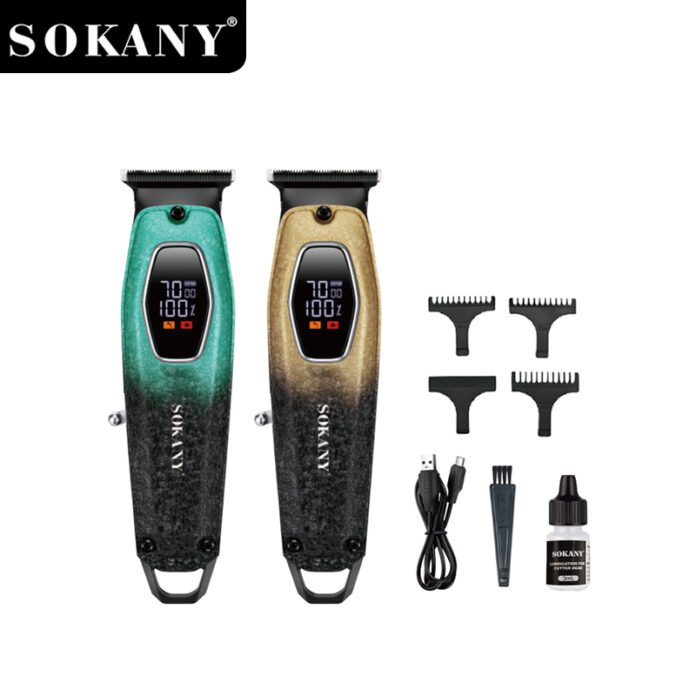

Sustainability has become an important focus across many industries, including personal care. As consumers become more environmentally conscious, manufacturers are adopting greener practices to reduce waste, conserve resources, and create products with a lower environmental impact. These efforts are shaping the future of grooming tools while encouraging more responsible production methods.
When choosing a personal care device, many buyers now consider not only performance and durability but also the environmental impact of the product. Eco-friendly manufacturing practices help reduce resource consumption while promoting longer-lasting and more sustainable products.
Sustainable Materials
One of the biggest trends in manufacturing is the use of environmentally friendly materials. Many products are now made with recycled or recyclable components to reduce dependence on new raw materials.
Common sustainable material choices include:
- Recycled plastics
- Recyclable metals
- Responsibly sourced materials
- Reduced plastic packaging
These materials help lower environmental impact without compromising product quality.
Energy-Efficient Production
Manufacturers are increasingly improving production processes to reduce energy consumption. Modern factories often use advanced technologies that minimize waste while making manufacturing more efficient.
Energy-efficient production benefits both businesses and the environment by lowering overall resource usage.
Longer Product Lifespan
Creating durable products is an important part of sustainable manufacturing. Devices that last longer reduce the need for frequent replacements, helping decrease electronic waste over time.
High-quality construction supports:
- Extended product life
- Reduced waste generation
- Better long-term value
- Lower resource consumption
Durability is one of the simplest ways to improve sustainability.
Rechargeable Technology
Rechargeable devices have become more popular because they reduce the need for disposable batteries. This change helps decrease battery waste while offering greater convenience for users.
Additional advantages include:
- Lower long-term costs
- Less environmental waste
- Improved energy efficiency
- Convenient everyday use
Proper battery care can further extend the product’s lifespan.
Minimal Packaging
Many manufacturers are reducing unnecessary packaging materials to decrease waste during shipping and retail distribution.
Eco-friendly packaging practices often include:
- Smaller packaging sizes
- Recyclable materials
- Reduced plastic use
- Simple product presentation
These changes help reduce the environmental footprint of each product.
Improved Manufacturing Efficiency
Modern production methods focus on using fewer resources while maintaining high-quality standards. Improved efficiency helps reduce material waste and lowers emissions associated with manufacturing.
Many companies are also investing in cleaner production technologies to support long-term sustainability goals.
Repairable Designs
Another growing trend is designing products that are easier to repair rather than replace. Replaceable components can extend the useful life of grooming devices and reduce unnecessary waste.
Examples include:
- Replaceable blades
- Interchangeable attachments
- Serviceable components
- Modular construction
Repair-friendly designs encourage more sustainable product use.
Water and Energy Conservation
Manufacturing facilities are increasingly adopting practices that reduce water usage and improve energy efficiency throughout production.
Conservation efforts may include:
- Water recycling systems
- Energy-saving equipment
- Efficient production planning
- Waste reduction initiatives
These improvements support environmentally responsible manufacturing practices.
Responsible Product Disposal
Manufacturers and consumers both play a role in reducing electronic waste. Proper recycling and responsible disposal of old grooming devices help recover valuable materials and prevent unnecessary landfill waste.
Before disposing of an old device, check local recycling programs that accept electronic products.
The Future of Sustainable Manufacturing
As environmental awareness continues to grow, eco-friendly manufacturing is expected to become even more important. Future innovations may include greater use of renewable materials, improved recycling systems, and production methods that further reduce environmental impact.
Consumers can support these efforts by choosing durable products, maintaining them properly, and recycling them responsibly at the end of their useful life.
Conclusion
Eco-friendly manufacturing is changing the way every personal care device is designed and produced. From sustainable materials and energy-efficient production to rechargeable technology and repairable designs, these innovations help reduce environmental impact while maintaining product quality. By supporting environmentally responsible manufacturing practices and choosing long-lasting products, consumers can contribute to a more sustainable future without compromising their daily grooming routines.

